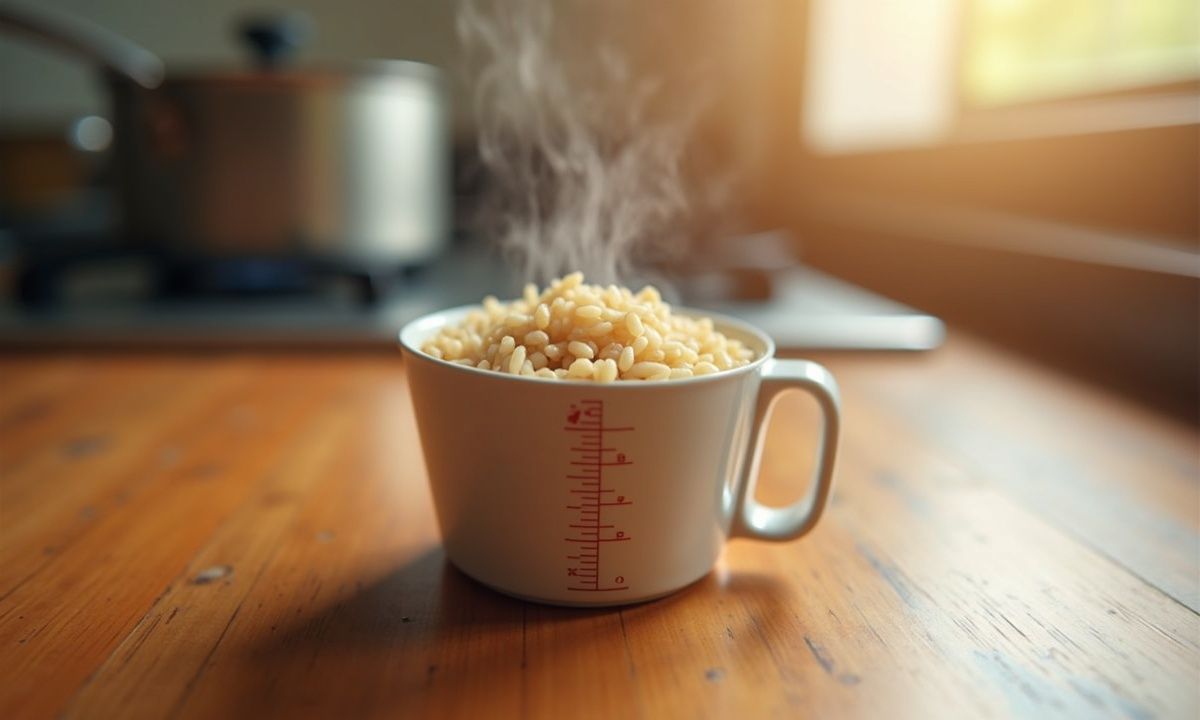
Picture this: It’s a weekday evening, and dinner plans are in full swing. You open your pantry and spot that bag of brown rice sitting there, waiting to be transformed into something delicious. One cup of brown rice is all you need to kickstart a meal that is both nutritious and satisfying. But what’s in that cup? What are the benefits of incorporating brown rice into your diet? And how do you cook it to perfection? Let’s unpack the nutritional profile, health advantages, and cooking instructions for one cup of this versatile grain.
Nutritional Profile of Brown Rice
One cup of cooked brown rice contains approximately 218 calories, making it a hearty base for various dishes. It is rich in carbohydrates, offering around 45 grams, which provide the energy necessary for daily activities. But brown rice isn’t just about calories and carbs; it also packs a punch in the fiber department. With about 3.5 grams of dietary fiber per cup, brown rice contributes significantly to digestive health.

Moreover, it is a source of essential nutrients. One cup of brown rice provides around 5 grams of protein, along with vital minerals such as magnesium, phosphorus, and manganese. Magnesium plays a crucial role in muscle and nerve function, while phosphorus is essential for healthy bones and teeth. Manganese is involved in the metabolism of carbohydrates and fats, making it an important component of a balanced diet.
Vitamins and Antioxidants
Brown rice also contains B vitamins, including niacin, thiamine, and vitamin B6, which are important for energy production and overall health. In addition, it has antioxidants like phenolic compounds that may help combat oxidative stress in the body. This combination of vitamins and minerals makes one cup of brown rice not just filling, but also a wise choice for those looking to maintain their health.
Health Benefits of Brown Rice
Incorporating brown rice into your meals can yield several health benefits. Its high fiber content aids in digestion, promoting regular bowel movements and preventing constipation. A diet rich in fiber can also assist in maintaining a healthy weight, as it helps you feel full longer.

Moreover, studies have shown that whole grains like brown rice may reduce the risk of chronic diseases, including heart disease and type 2 diabetes. The fiber in brown rice can help regulate blood sugar levels, making it a better option for those monitoring their glycemic index.
Additionally, brown rice may contribute to heart health. The presence of antioxidants and fiber can help lower cholesterol levels and reduce inflammation. A research article published by American Heart Association highlights the importance of whole grains in promoting cardiovascular health.
Weight Management
For those looking to manage their weight, brown rice can be a valuable ally. The fiber content not only promotes satiety but also aids in regulating appetite. Including whole grains like brown rice in your meals can help you make healthier food choices throughout the day. In fact, a study from NCBI indicates that individuals who consume whole grains tend to have lower body mass indexes (BMIs) compared to those who do not.
Cooking Instructions for One Cup of Brown Rice
Cooking brown rice may seem intimidating at first, but it’s quite straightforward. Here’s a step-by-step guide to prepare one cup of brown rice perfectly.
First, start by rinsing the rice under cold water. This helps remove excess starch, preventing it from becoming gummy during cooking. After rinsing, drain the rice and add it to a saucepan.
Next, for every cup of brown rice, you will need two and a half cups of water or broth. Using broth can add an extra layer of flavor to your dish. Bring the mixture to a boil over medium-high heat. Once boiling, reduce the heat to low, cover the saucepan, and let it simmer.
Let the rice cook for about 45 minutes. It’s essential to avoid lifting the lid during this time, as steam is needed to cook the rice evenly. After 45 minutes, check if the water has been absorbed. If not, let it simmer a little longer. Once done, remove the saucepan from the heat and let it sit, covered, for another 10 minutes. This resting period allows the rice to finish cooking and results in fluffier grains.
After resting, fluff the rice with a fork, and it’s ready to be served. Brown rice can be enjoyed as a side dish, in stir-fries, or as a base for grain bowls.
Varieties and Pairing Suggestions
Brown rice comes in several varieties, including short-grain, medium-grain, and long-grain. Each type has its unique texture and flavor profile, allowing for versatility in cooking. Short-grain brown rice tends to be stickier and is great for sushi, while long-grain varieties remain separate and fluffy, making them ideal for pilafs or salads.
Pair brown rice with an assortment of vegetables, proteins, and sauces to create a well-rounded meal. For instance, sautéed vegetables, grilled chicken, and a tangy dressing can elevate a simple brown rice bowl. If you’re looking for a vegetarian option, consider mixing it with black beans, corn, and avocado for a nutritious and filling dish.
For a comforting meal, try brown rice with a rich curry or a hearty stew. The rice absorbs the flavors beautifully, making each bite satisfying. You can also add herbs and spices to the cooking water for an additional flavor boost.
Common Mistakes to Avoid When Cooking Brown Rice
While cooking brown rice is relatively simple, some common pitfalls can lead to less-than-ideal results. One mistake is not rinsing the rice before cooking. Skipping this step can result in a gummy texture. Another common error is using too much water, which can leave the rice soggy. Always measure your water carefully and follow the recommended ratios.
Additionally, be patient. Brown rice takes longer to cook than white rice, and trying to rush the process can lead to undercooked grains. avoid the temptation to lift the lid while it simmers, as this will let steam escape and affect the cooking time.
Final Thoughts
Incorporating one cup of brown rice into your meals can provide a wealth of nutritional benefits while being a versatile ingredient for various dishes. From its fiber content to essential minerals and vitamins, brown rice serves as a solid foundation for a balanced diet. Whether you enjoy it as a side dish or as part of a main course, cooking brown rice can be both satisfying and rewarding. So next time you find that bag of brown rice in your pantry, remember its potential to nourish and delight.
Sources

Comments (0)
No comments yet. Be the first to comment!
Leave a Comment