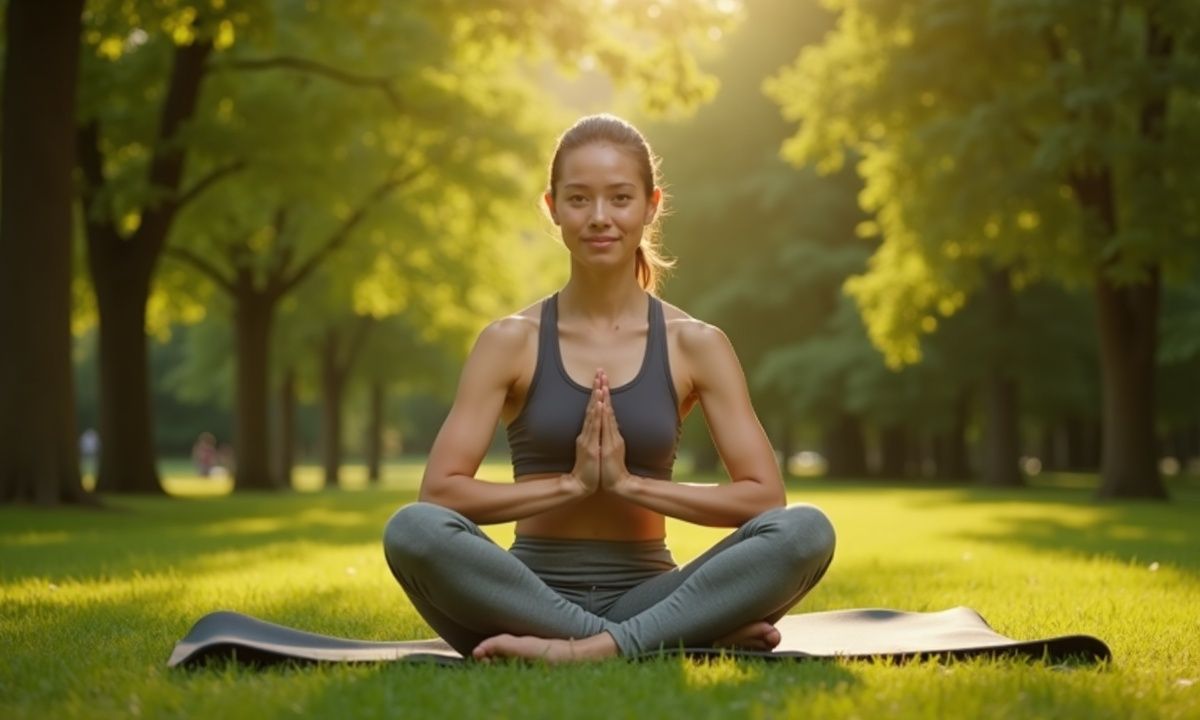
Imagine stepping onto your yoga mat for the first time. The air is calm, the surroundings tranquil, yet there's a hint of anxiety as you wonder if you'll be able to keep up. The beauty of yoga is that it welcomes everyone, regardless of their current flexibility or experience. For those just starting on their yoga journey, there are particular poses that are beginner-friendly and can safely improve flexibility. Here are twelve such poses to get you started.
1. Mountain Pose (Tadasana)
Mountain Pose serves as the foundational pose in yoga. Standing tall with feet together, arms at your sides, and weight evenly distributed on both feet creates a sense of stability. This pose encourages good posture and engages your core, which is essential for overall body awareness.
2. Downward Facing Dog (Adho Mukha Svanasana)
Downward Facing Dog is a staple in many yoga sequences. From all fours, lifting your hips up and back forms an inverted V-shape. This position stretches the hamstrings, calves, and spine while also strengthening your arms and legs. The pose can be modified by bending the knees slightly to accommodate tight hamstrings.
3. Cat-Cow Stretch (Marjaryasana-Bitilasana)
This dynamic duo of poses promotes spinal flexibility. Transitioning between arched and rounded backs while on all fours warms up the spine and encourages mobility. It’s also a fantastic way to relieve tension in the back and neck.
4. Child’s Pose (Balasana)
Child’s Pose is often used for rest during yoga classes. Kneeling and resting your torso on your thighs, extending your arms forward, creates a gentle stretch for the back and hips. It's a great pose to return to whenever you need a moment to regroup.
5. Standing Forward Bend (Uttanasana)
This pose bends the body forward while standing, promoting flexibility in the hamstrings and lower back. Letting your head hang heavy encourages relaxation and can relieve stress. Beginners can bend their knees to ease into the pose.
6. Warrior I (Virabhadrasana I)
Warrior I builds strength and encourages balance. Stepping one foot back, bending the front knee, and reaching arms overhead creates a strong stance. This pose opens the hips and chest while providing a grounding experience.
7. Warrior II (Virabhadrasana II)
Transitioning from Warrior I to Warrior II involves opening the hips and shoulders further. With arms extended parallel to the ground, this pose enhances flexibility in the legs and hips while building endurance and focus.
8. Triangle Pose (Trikonasana)
Triangle Pose stretches the sides of the body, legs, and hips. By reaching one arm toward the ground and the other toward the sky, you create a deep lateral stretch. Beginners can use a block to support their lower hand for an easier entry into the pose.
9. Seated Forward Bend (Paschimottanasana)
Seated Forward Bend is an excellent pose for stretching the spine and hamstrings. Sitting with legs extended, reaching for your feet or shins encourages flexibility in the back and legs. This pose can be modified by bending the knees or using a strap to reach the feet.
10. Bridge Pose (Setu Bandhasana)
Bridge Pose strengthens the back while stretching the chest and spine. Lying on your back with knees bent, lifting the hips engages the glutes and lower back. This pose is helpful for counteracting the effects of prolonged sitting.
11. Pigeon Pose (Eka Pada Rajakapotasana)
Pigeon Pose is a deeper hip opener that can be challenging for beginners. With one leg bent in front and the other extended back, it targets the hip flexors and glutes. Modifications, such as using a cushion under the hip, can make this pose more accessible.
12. Corpse Pose (Shavasana)
Ending your practice with Corpse Pose allows the body to absorb the benefits of the preceding poses. Lying flat on your back, arms at your sides, and focusing on breathing can create a sense of calm and relaxation. It’s a crucial component of any yoga session.
Practical Tips for Beginners
When starting your yoga practice, it's essential to listen to your body. If a pose feels uncomfortable, consider modifying it or skipping it entirely. Incorporating yoga into daily life can also be beneficial; even just a few minutes of practice can make a difference.

For those who want to dive deeper into yoga, resources are abundant. You can find classes or tutorials that focus on 12 Beginner-Friendly Yoga Poses That Safely Improve Flexibility or 12 Beginner-Friendly Yoga Poses to Naturally Improve Flexibility. Many community centers and studios also offer beginner classes that can provide additional guidance.

Yoga is about more than just physical flexibility; it fosters mental clarity and emotional balance. According to U.S. Department of Health and Human Services, regular physical activity like yoga can increase overall well-being.
As you practice these twelve beginner-friendly yoga poses, remember that flexibility takes time. Celebrate small victories, whether it's holding a pose longer or feeling more comfortable in a stretch. Consistency is key, and with each session, you may find yourself feeling more at ease on the mat.
Yoga is a journey that can enrich your life in many ways, connecting body and mind. Whether you're looking to improve flexibility, relieve stress, or simply enjoy a moment of peace, these poses offer a solid starting point. The journey begins with the first step onto your mat, and each pose brings you closer to a deeper understanding of your body.

Comments (0)
No comments yet. Be the first to comment!
Leave a Comment