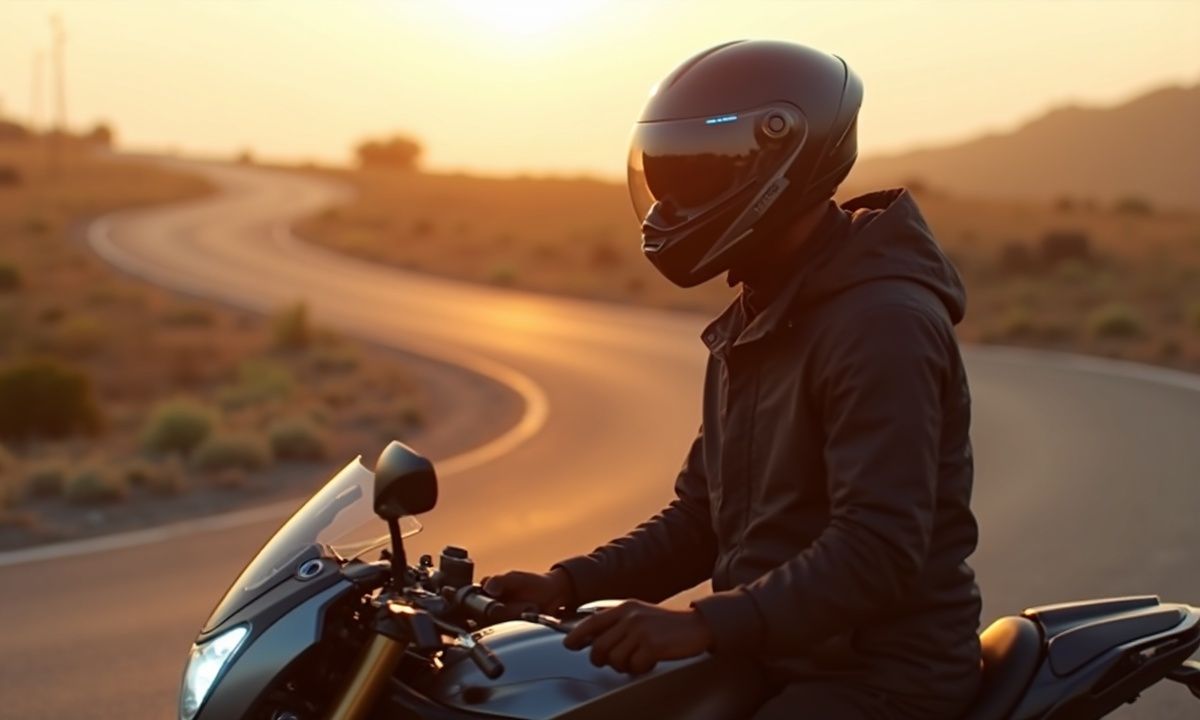
The hum of a motorcycle engine is a sound like no other, a blend of freedom and adrenaline that draws enthusiasts from all walks of life. As riders don their helmets, they often think about safety, comfort, and style. But what if helmets could do more than just protect? What if they could read your mind? This isn’t science fiction but a glimpse into the future of motorcycling with the advent of AI motorcycle helmets. By 2026, these helmets may not only provide safety but also interpret the rider’s thoughts, making for an unprecedented riding experience.
The Rise of AI in Everyday Gear
Artificial intelligence has seeped into various aspects of life, from smart home devices to personal assistants. The implementation of AI in motorcycle helmets is an evolution of this technology, focusing on enhancing the riding experience. Imagine a helmet that can adjust its internal temperature based on how hot or cold you are feeling. Or one that can interpret your mental state to enhance your focus while riding, possibly even alerting you when you’re distracted.

Consider the potential implications of such technology. Motorcycle riding is inherently risky, and distractions can lead to accidents. A helmet equipped with AI could monitor your cognitive load, analyzing brainwaves to determine if you’re concentrating or drifting off into daydreams. This could provide real-time feedback, urging you to focus or even taking control of certain functions if necessary. Companies like Bosch are already researching similar technologies, hinting at a future where your gear is as aware of your needs as you are.
How AI Can Enhance Safety
Safety is paramount in motorcycling, and AI helmets promise to elevate it through various features. With integrated sensors, these helmets could track your speed, the distance between you and other vehicles, and even road conditions. If a dangerous situation arises, the helmet could alert you with vibrations or audio cues through built-in speakers. This could help prevent accidents before they happen.

Moreover, these helmets could be equipped with navigation systems that project directions directly onto the visor. This would allow riders to keep their eyes on the road while receiving essential information. According to National Highway Traffic Safety Administration, distractions are a leading cause of motorcycle accidents. By reducing the need to glance at a phone, AI helmets could play a significant role in increasing road safety.
Real-World Applications and Developments
Several companies are already making strides toward the integration of AI into motorcycle helmets. One notable example is the company Smart Helmet, which focuses on creating helmets that can not only protect but also communicate with the rider. With features such as voice recognition and hands-free controls, these helmets are designed to keep riders connected without compromising safety.
Another exciting development comes from a collaboration between tech firms and motorcycle manufacturers. They are working on helmets that can assess fatigue levels by monitoring physiological signals. If the helmet detects that the rider is becoming drowsy, it could suggest taking a break or even direct them to the nearest rest area. Such features could be life-saving, especially on long rides.
Mind-Reading Technology: How Does It Work?
The concept of a helmet that reads your thoughts might sound like something from a sci-fi novel, but the technology is based on neurofeedback systems that are being developed for various applications. These systems utilize electroencephalography (EEG) to measure electrical activity in the brain. By interpreting this data, the helmet could potentially understand the rider's mental state.
This technology is still in its infancy, but the implications are vast. For instance, if a rider is feeling anxious or distracted, the helmet could trigger calming music or give gentle reminders to focus on the road. The idea is not to overwhelm the rider but to create a supportive environment that fosters concentration and safety. Companies working on these technologies, such as NeuroSky, are paving the way for a future where our gear is not just protective but also responsive to our mental states.
Challenges and Considerations
While the prospects of AI motorcycle helmets are promising, several challenges must be addressed. One significant concern is the accuracy of the technology. For a helmet to effectively interpret cognitive states, it must do so with a high degree of reliability. Misinterpretations could lead to distractions or inappropriate responses, which would defeat the purpose of enhancing safety.
Privacy is another major issue. The collection of data related to brain activity raises questions about how this information will be used and stored. Riders might be hesitant to adopt technology that monitors their mental state if it comes with concerns about data security and personal privacy. Regulations will need to be established to protect consumers and ensure that the data is used ethically.
The Future of Riding
As we look toward 2026 and beyond, the notion of AI motorcycle helmets is becoming less of a novelty and more of a viable possibility. Riders are always on the lookout for gear that can improve their experience on the road, and helmets that read minds could be at the forefront of this trend. The integration of advanced technology into such a personal item as a helmet will likely change the way we think about safety and connectivity while riding.
Motorcycling is not just a hobby; it’s a lifestyle for many. As technology continues to advance, the hope is that it will contribute positively to the riding community, making it safer and more enjoyable. By incorporating AI into helmets, the world of motorcycling could see a significant shift in how riders interact with their environment and their machines. The road ahead is promising, albeit filled with challenges that need careful consideration.
For now, motorcycle enthusiasts can keep an eye on these developments, eager for innovations that will not only protect them but also enrich their riding experience. As technology evolves, so too will the gear that riders rely on, opening doors to a future where every ride is not just a journey on two wheels but a harmonious blend of human intuition and artificial intelligence.
Sources

Comments (0)
No comments yet. Be the first to comment!
Leave a Comment