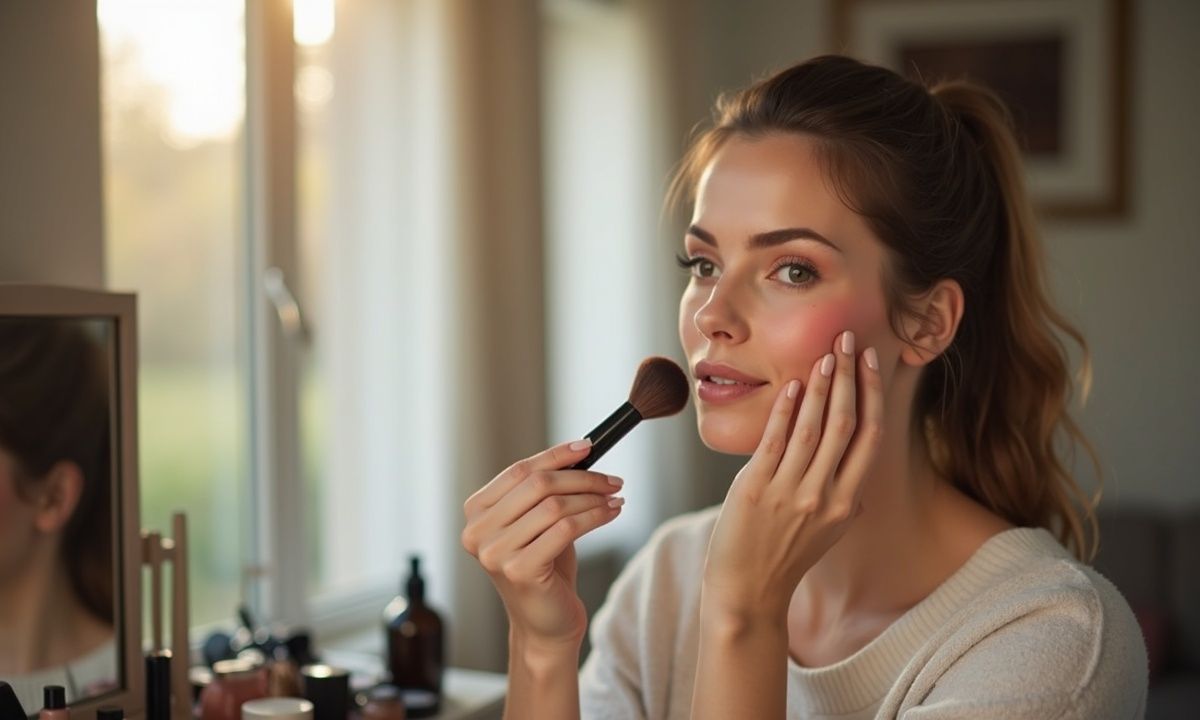
As we age, our relationship with makeup often shifts. What once felt like a fun way to express ourselves can become a quest for balance and harmony in our features. A well-placed blush can add warmth and vitality, but it can also redefine the contours of our face. For those over 30, the blush placement technique becomes a pivotal tool in our beauty arsenal, allowing us to adapt to the subtle changes in our skin and bone structure. It’s fascinating how a simple swipe of color can impact how we perceive our own reflection.
The Anatomy of Blush Placement
Blush, when applied correctly, can sculpt the face, creating the illusion of higher cheekbones or a more oval visage. As we enter our thirties and beyond, skin texture and elasticity change, making it essential to adjust our makeup techniques accordingly. A common mistake is applying blush too close to the nose, which can unbalance the face. Instead, focusing on the apples of the cheeks and blending upwards towards the temples can offer a more flattering effect.

In addition to placement, the type of blush used can also influence the overall look. Cream blushes tend to give a more youthful, dewy finish, while powder formulas might settle differently on mature skin. Understanding how these products work with your skin type is crucial. For example, individuals with dry skin may find that cream blushes adhere better and provide a more natural glow.
Finding the Right Shade
The right shade of blush can enhance your natural complexion. For fair skin tones, soft pinks and peaches can bring a fresh glow, while deeper skin tones might benefit from rich berry or terracotta hues. It’s advisable to test colors in natural light to see how they play against your skin tone. Additionally, seasonal changes can affect how your skin looks, so what works in summer may not feel right in winter.

Consider the overall look you wish to achieve. A more subtle, natural appearance may call for lighter colors with a hint of shimmer, while a bolder look can be achieved with deeper, matte tones. It’s all about balance and finding what makes you feel confident.
Application Techniques That Make a Difference
When it comes to applying blush, technique is key. The blush placement technique emphasizes using a light hand and building color gradually. Start with a small amount of product on your brush, tapping off any excess before applying to the cheeks. This approach allows you to control the intensity of the color, avoiding the dreaded clown cheeks that can occur with overly heavy application.
Many makeup artists recommend using a soft, fluffy brush for cream blush and a denser brush for powder. The direction you apply the blush also matters. For a lifted look, apply the product in an upward motion, starting at the apples of the cheeks and blending diagonally towards the temples. This technique not only adds color but also creates a more youthful appearance.
Blush After Powder Technique
For those who prefer a more matte finish, the Blush After Powder Technique might be worth trying. By applying blush after setting your foundation with powder, you can achieve a softer, more natural makeup finish. This method allows the blush to sit on top of the powder rather than blending into the foundation, which can sometimes result in a muddy appearance. It creates a layer of dimension on the skin that is often more flattering.
Real-World Application: Everyday Scenarios
Imagine getting ready for a casual brunch with friends. You want to look fresh without appearing overly made-up. Using the blush placement technique, you can achieve that effortless look. After applying your foundation and setting powder, use a cream blush in a soft pink shade. Smile to find the apples of your cheeks, then apply the blush lightly, blending upwards toward your temples. The result will be a natural flush that looks like you’ve just come in from a brisk walk.
On the other hand, consider a night out where you want a more defined look. In this case, choose a deeper shade and a powder formula. Apply it in a similar upward motion but with a bit more intensity. This can create a stunning contrast against a bolder lip color or a smoky eye.
Maintaining Balance in Facial Features
It’s not just about where to apply blush but also understanding the overall balance of your facial features. Applying blush too close to the nose can alter proportions in a way that may not be flattering. Instead, keep it higher on the cheekbone for a more harmonious appearance. This is especially important as we age, and our features naturally shift. Understanding how to maintain that balance can significantly affect how makeup appears on the skin.
For further insights on maintaining facial balance, consider reading our article on Facial Balance Tip: Why Applying Blush Too Near the Nose Alters Proportions. It provides additional techniques to ensure your makeup enhances rather than detracts from your natural beauty.
Closing Thoughts on Blush Placement Technique
The blush placement technique is more than just a beauty tip; it’s a way to adapt our makeup routines to the changes that come with age. By understanding the fundamentals of blush application, from shade selection to the right tools, we can create looks that feel both fresh and appropriate for our age. Whether you’re heading to a casual outing or a more formal event, mastering these techniques can provide the confidence to embrace your beauty and express yourself through makeup.
Ultimately, makeup is a personal journey. What works for one person may not suit another, and that's perfectly fine. Experimenting with different techniques and products can help you discover what makes you feel your best. The beauty of the blush placement technique lies in its simplicity and versatility, making it an invaluable part of any makeup routine.

Comments (0)
No comments yet. Be the first to comment!
Leave a Comment