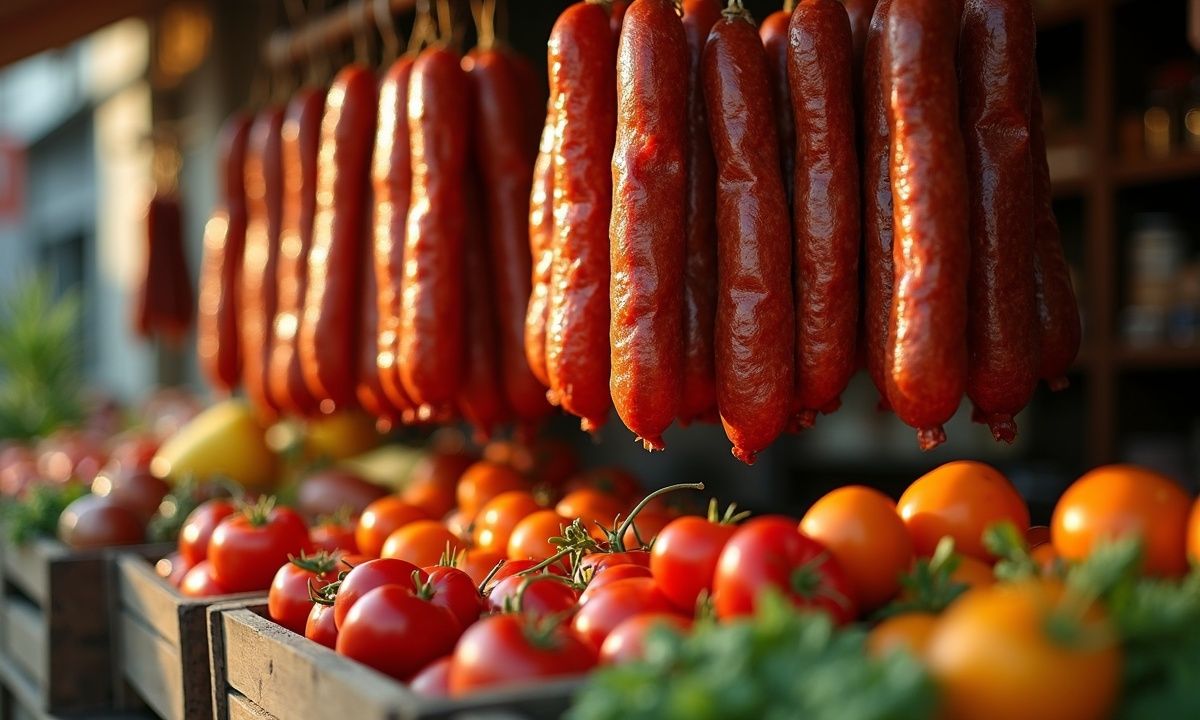
Imagine walking through a bustling market, the air filled with the rich aroma of cured meats. You spot a selection of saucisson, each piece hanging proudly, enticing you to taste. Yet, as you pick one up, a simple detail catches your eye—a small label indicating its origin. Ce détail sur votre saucisson peut souvent dire bien plus sur sa qualité que vous ne le pensez. Many people overlook this aspect, focusing instead on the packaging or the price. However, understanding the significance of this label can greatly enhance your appreciation of this classic delicacy.
The Importance of Origin
The origin of a saucisson is not just a trivial detail; it speaks volumes about its production standards and flavor profile. For instance, a saucisson labeled as "AOC" or "Appellation d'Origine Contrôlée" indicates that it has met specific criteria set by French authorities and is produced in a designated region. This label is akin to a seal of quality, ensuring that the product adheres to traditional methods and local regulations. The influence of regional factors, such as climate and local livestock breeds, can significantly affect the taste and texture of the final product.
Regional Variations
Different regions of France produce distinct types of saucisson, each reflecting local traditions and ingredients. For example, saucisson from the Auvergne region may feature a coarser grind and a richer flavor due to the specific breeds of pigs raised there. Meanwhile, the saucisson from the Rhône-Alpes region might incorporate herbs like thyme or rosemary, adding a unique twist to its flavor. This diversity showcases the cultural heritage embedded in each piece of saucisson, making it more than just a snack; it becomes a story of place and tradition.

Quality Indicators on Labels
Besides the origin, labels often provide information on the quality of the meat used. Terms like "100% pur porc" (100% pure pork) or "sans conservateurs" (without preservatives) can be indicators of a more traditional and artisanal product. Many consumers might assume that all saucisson is made from high-quality meat, but this is not always the case. The presence of fillers or additives can compromise flavor and authenticity. Therefore, checking these details can help you make an informed choice.
Understanding Ingredients
The ingredient list on a saucisson label can also reveal much about its quality. A shorter ingredient list typically indicates a more authentic product. For instance, if you see a mix of various meats and chemicals, it may signal a mass-produced item that lacks the depth of flavor found in its artisanal counterparts. The art of making saucisson involves careful selection of spices, salt, and natural casings, all of which contribute to its character.
How to Choose High-Quality Saucisson
When selecting saucisson, take a moment to examine the label. Look for signs of authenticity and quality. Seek out products from local producers or those that emphasize traditional methods. Visiting local markets or specialty shops may yield better options than larger supermarkets, where mass-produced varieties often dominate the shelves. Engaging with vendors can also provide insights into their products, as they can share stories about their sourcing and production processes. This personal connection often enhances the overall experience of enjoying the saucisson.

Pairing with Other Foods
Once you’ve chosen your saucisson, consider how to enjoy it. Pairing it with artisanal cheeses can complement its flavors beautifully. A tangy goat cheese or a creamy Brie can create a delightful contrast. Additionally, accompanying your saucisson with a glass of wine can elevate the tasting experience. A light red wine, such as a Beaujolais, works particularly well. Such pairings not only enhance the flavors but also create an enjoyable culinary experience.
Preserving Quality
To maintain the quality of your saucisson, proper storage is essential. Keeping it in a cool, dry place and wrapped in paper rather than plastic can help preserve its texture and flavor. Once opened, it is best consumed within a few weeks, though some varieties can last longer if stored correctly. This attention to storage can significantly impact your enjoyment of the product, ensuring that each bite retains its intended taste and texture.
Beyond the Label: A Cultural Experience
Understanding the nuances of saucisson goes beyond simply reading labels. It invites you to appreciate the cultural significance of this traditional French delicacy. Sharing a platter of saucisson with friends and family during gatherings can create a sense of connection and celebration. It’s a gateway to conversations about food, history, and local traditions. Just like the discussions surrounding Moqués sur les réseaux, ces plateaux-repas de l’armée américaine, which sparked interest in the culinary practices of different cultures, saucisson can serve as a bridge to understanding and appreciating diverse culinary heritages.
Final Thoughts
Next time you find yourself in front of a display of saucisson, take a moment to observe the details on the label. Ce détail sur votre saucisson can provide invaluable insight into its quality and authenticity. By choosing wisely and understanding the significance of these labels, you not only enhance your culinary experience but also support traditional producers who prioritize quality over mass production. Savour each bite, knowing the story behind it, and share that story with others, enriching their understanding of this beloved delicacy.

Comments (0)
No comments yet. Be the first to comment!
Leave a Comment