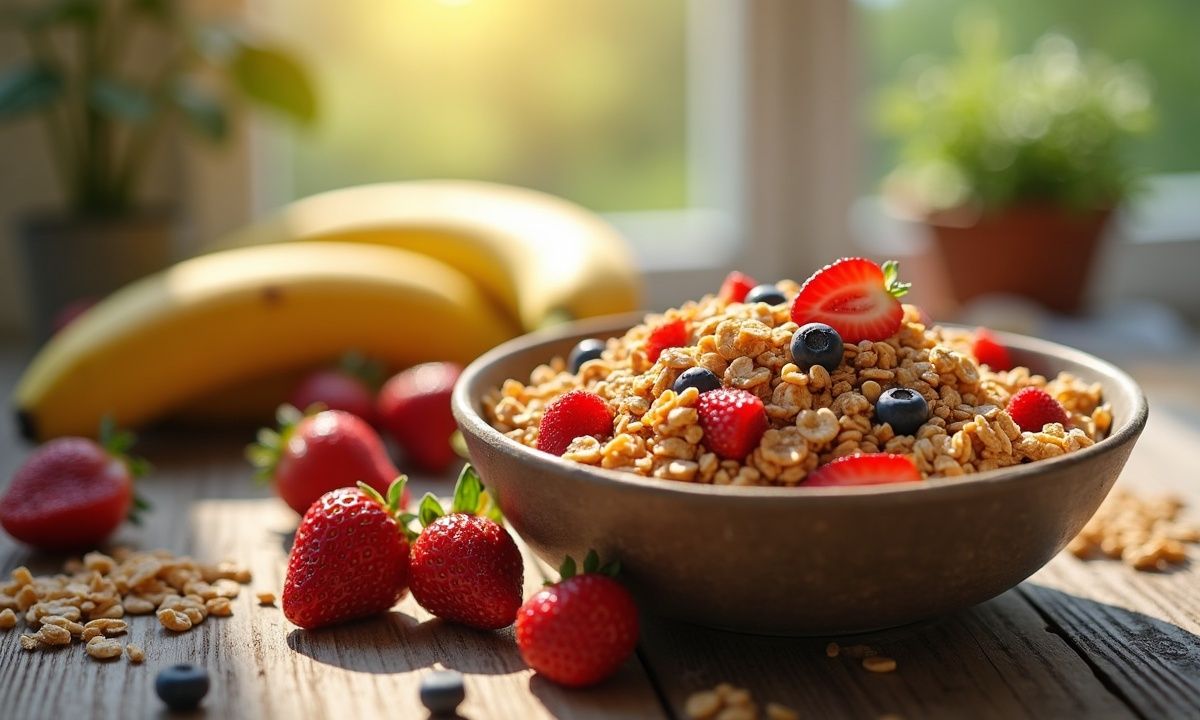
Breakfast is often heralded as the most important meal of the day, and many people gravitate towards mueslis croustillants, believing they offer a healthy start. However, a recent investigation by 60 Millions de Consommateurs challenges this popular perception, revealing that some of these crunchy mueslis may not be as beneficial as they seem. For those who enjoy a bowl of muesli in the morning, this revelation raises questions about what we truly know about our breakfast choices.
What Are Mueslis Croustillants?
Mueslis croustillants are essentially a mix of rolled oats, nuts, seeds, and often dried fruits, all toasted into a crunchy texture. They have become a staple in many households, marketed as a nutritious option packed with fiber and essential nutrients. But how do they stack up against their claims? The appeal lies in their crispiness and the convenience they offer, making them an attractive choice for those rushing out the door in the morning.
The Hidden Truth Behind Labels
Many brands boast of their all-natural ingredients and health benefits. However, the analysis from 60 Millions de Consommateurs points out that some of these products contain added sugars, unhealthy fats, and artificial flavorings that can undermine their health claims. While the idea of munching on a bowl of crunchy muesli might evoke images of health and vitality, it is essential to read between the lines of these labels.

For instance, the study highlighted some popular brands that, despite their promising marketing, fell short in terms of nutritional value. Ingredients that consumers might overlook, such as high fructose corn syrup or palm oil, can be detrimental to health. By understanding these ingredients better, consumers can make more informed choices about what they eat for breakfast.
Market Trends and Consumer Choices
The market for mueslis croustillants has expanded significantly over the past decade, with many consumers opting for these products as a healthier alternative to sugary cereals. The demand for health-conscious breakfast options has led to a proliferation of brands, each vying for attention with enticing packaging and marketing strategies. However, the question remains: Are these products genuinely healthier?

According to market research, consumers are increasingly aware of the ingredients in their food. Many are turning to natural and organic options, hoping to avoid additives and preservatives. Yet, even brands that market themselves as organic can sometimes mislead consumers. This shift towards transparency in food labeling is crucial, as it empowers individuals to make better dietary choices. For more insights on food trends, consider checking out Tendances food 2026 : elles vont transformer vos restaurants, mais personne n’est prêt à ce qui arrive dans vos assiettes.
What to Look For When Choosing Muesli
When selecting a muesli, it’s wise to prioritize products that list whole grains as the first ingredient. Look for options with minimal added sugars, ideally less than 5 grams per serving. Additionally, be cautious of the type of oils used; healthier fats, such as those from nuts or seeds, are preferable. Furthermore, examining the fiber content can provide insight into how filling and nutritious the muesli will be.
Another consideration is portion size. Many people are unaware that a single serving can be much smaller than what they typically pour into their bowls. Being mindful of serving sizes can help maintain a balanced diet. This consideration is especially relevant in a time when portion control is crucial for managing overall health.
Consumer Reaction and Industry Response
The revelations from 60 Millions de Consommateurs have sparked significant conversation among health-conscious consumers. Many have expressed surprise and disappointment, having trusted these products to meet their dietary needs. This reaction could pressure brands to reformulate their recipes, focusing on cleaner, more wholesome ingredients to regain consumer trust.
In response, some companies have begun to highlight their commitment to quality. They are reformulating their products to reduce sugar and incorporate more whole food ingredients. This trend could indicate a turning point in the industry, where consumer demand for transparency and health-promoting options drives change.
The Importance of Education
Ultimately, education plays a crucial role in making informed dietary choices. Consumers need to stay updated on nutrition and food labeling. Resources like the U.S. Food and Drug Administration provide guidelines and information on how to interpret food labels correctly. Understanding what to look for can empower consumers to choose mueslis that align with their health goals.
Furthermore, local health organizations often offer workshops and classes on nutrition, which can be a helpful resource for those wanting to deepen their knowledge. The more informed consumers are, the better their decisions regarding their breakfast choices will be.
Final Thoughts
The findings surrounding mueslis croustillants remind us that not everything marketed as healthy truly is. As consumers, we must scrutinize product labels, understand ingredient lists, and remain aware of marketing tactics that can be misleading. Breakfast should nourish us, and understanding what goes into our food is an essential part of making choices that support our health.
As the breakfast landscape continues to evolve, staying informed will enable us to make better choices for ourselves and our families. Remember, a crunchy bowl of muesli can still be part of a balanced breakfast, but it’s crucial to select wisely and prioritize whole, natural ingredients. If you’re interested in broader food trends affecting other aspects of your diet, you might find our article on California Oil Prices Surge Amid Iran Conflict Concerns insightful.

Comments (0)
No comments yet. Be the first to comment!
Leave a Comment