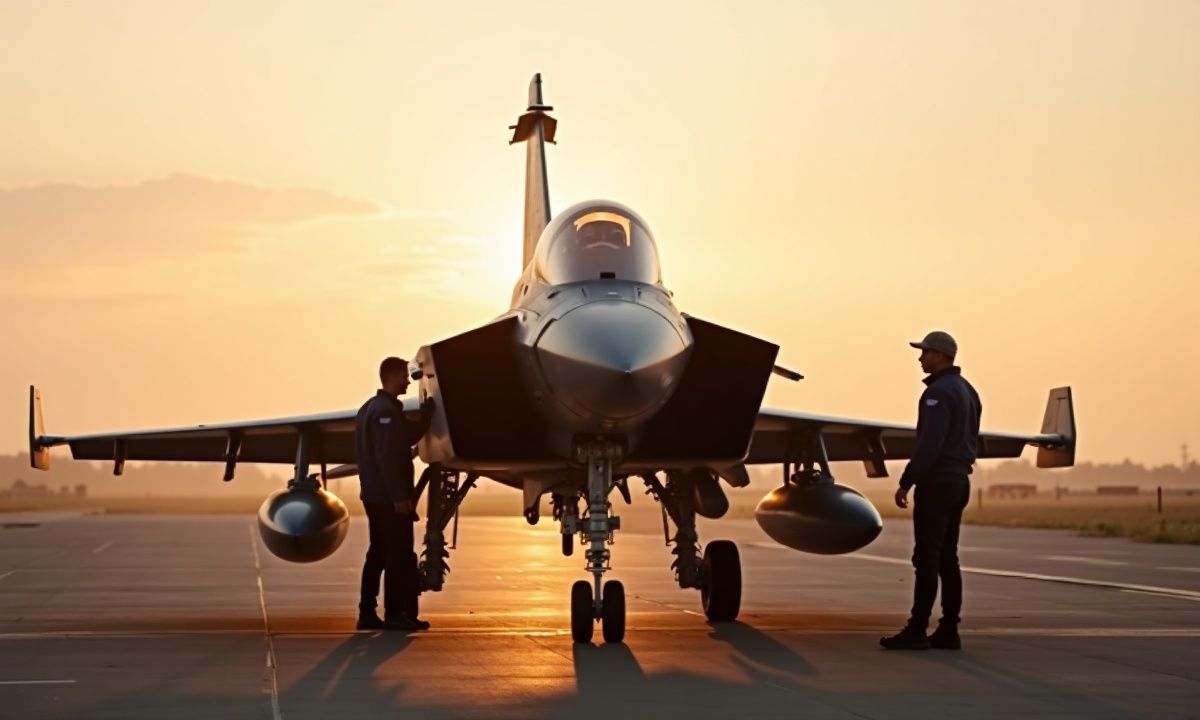
The air was thick with anticipation as France prepared to finalize a substantial arms deal with a foreign nation, one that would see the Rafale fighter jets take center stage. However, in a surprising twist that caught many off guard, a last-minute decision led to the cancellation of the €3.2 billion agreement. This turn of events not only reflects the complexities of international defense contracts but also highlights the shifting dynamics of global military alliances. The Rafale, once a symbol of French aerospace prowess, now finds itself in a precarious position.
The Rafale Fighter Jet: A Brief Overview
Developed by Dassault Aviation, the Rafale has been a cornerstone of the French military since its introduction in the early 2000s. Known for its versatility, the aircraft has been used in various combat scenarios, from air superiority missions to ground attacks. Its ability to carry a wide range of weapons, coupled with advanced avionics, has made it a sought-after asset in many countries' air forces.

Despite its acclaim, the Rafale has faced stiff competition from other military jets, particularly from the United States and Russia. Countries often weigh factors beyond just the aircraft's specifications, including political relations, defense cooperation, and economic considerations. The recent deal was a significant opportunity for France to solidify its standing in the defense market.
The Last-Minute U-Turn
As negotiations progressed, there were signs that the deal was solidifying. Reports indicated that the foreign nation was eager to enhance its military capabilities through the acquisition of the Rafale jets. However, just days before the contract was set to be signed, a sudden change in leadership prompted a reevaluation of the agreement. This shift not only affected the immediate deal but also raised questions about the future of France's military exports.

The new leadership expressed concerns over the implications of such a large-scale military purchase, particularly in a rapidly changing geopolitical environment. The decision to withdraw from the agreement illustrates the often volatile nature of international arms deals, where political winds can shift dramatically and unexpectedly.
The Impact on France
This development is a setback for France's ambitions in the global arms market, especially considering its efforts to position itself as a leading provider of military technology. The Rafale jets were seen as a key component of this strategy, aimed at expanding France's influence and securing valuable contracts abroad.
The ramifications extend beyond just the financial loss of €3.2 billion. France's defense industry relies heavily on exports to sustain its operations and develop new technologies. Losing a significant deal like this could hinder future projects and research initiatives within the aerospace sector.
Reactions from the Defense Community
The defense community has reacted with concern but also with a sense of pragmatism. Experts understand that such cancellations, while unfortunate, are not unprecedented. The cancellation of the Rafale deal serves as a reminder that international relations can be unpredictable and that defense procurement is often influenced by a multitude of factors, including domestic politics and international alliances.
Some analysts have pointed out that this could be an opportunity for France to reassess its approach to defense sales. By focusing on building stronger relationships with potential buyers and ensuring that military cooperation extends beyond mere transactions, France may better position itself in future negotiations.
Looking Ahead: The Future of the Rafale
Despite this setback, the Rafale remains a formidable aircraft with a promising future. France has continued to invest in its development, ensuring that it remains competitive against newer models from other countries. The ongoing interest from various nations in acquiring the Rafale suggests that the aircraft still holds significant appeal.
Moreover, France's commitment to enhancing its military capabilities through innovation and collaboration with allies could pave the way for new opportunities. Countries in the Middle East and Asia have shown interest in diversifying their defense portfolios, presenting potential avenues for future Rafale sales.
The Role of International Relations
International relations play a critical role in defense procurement. The dynamics between nations can influence decisions significantly. A country’s desire to foster closer ties with an ally may lead it to pursue defense contracts that align with broader diplomatic goals. For France, strengthening its relationships with potential buyers will be essential in navigating the complexities of the global arms market.
Moreover, the shifting geopolitical landscape, including tensions in Eastern Europe and the Indo-Pacific region, may create new demands for advanced military capabilities. France has the opportunity to position the Rafale as a reliable choice for nations looking to enhance their defense posture in these critical areas.
A Moment of Reflection
The cancellation of the €3.2 billion Rafale deal serves as a poignant reminder of the uncertainties that characterize international defense contracts. While the immediate financial implications are significant, the broader lessons about adaptability and resilience in the face of shifting political tides are crucial for France and its defense sector. As the global landscape evolves, so too must the strategies employed by nations to secure their interests in the complex domain of military procurement.
For further insights on topics related to the implications of international agreements, you might find our article on Greenland declares an emergency: “this is a warning sign” after orcas breach near melting ice Update particularly engaging, as it also highlights how global events can impact national strategies. Additionally, the nuances of aging and care can be observed in our piece on Hands Reveal Age Quickly With These 12 Nourishing Deeply Creams, emphasizing the unexpected ways different sectors intertwine.

Comments (0)
No comments yet. Be the first to comment!
Leave a Comment