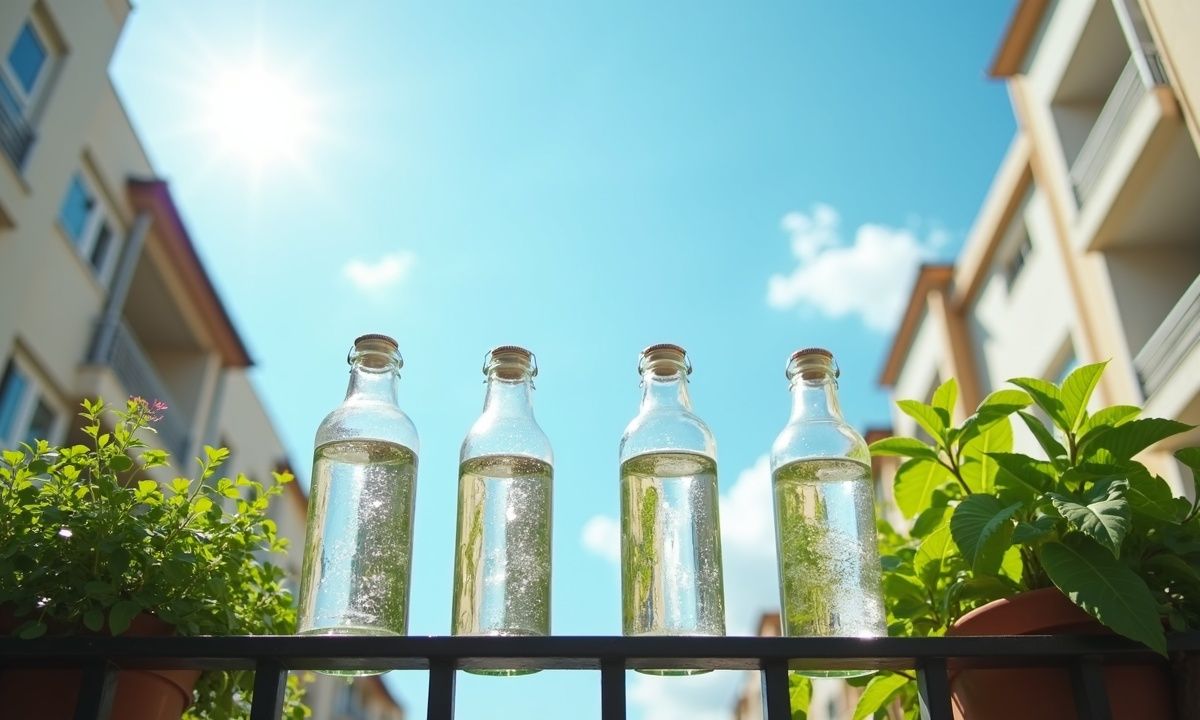
On a sunny afternoon, as I stroll through various balconies adorned with greenery, I often notice something peculiar: bottles filled with water and vinegar hanging from the railings. At first glance, it seems like an unconventional display, but it piques my curiosity. Why have these bottles become a popular sight in urban areas? What purpose do they serve? As I dig deeper, I discover that hanging bottles with water and vinegar is not just a trend but a practical solution embraced by many urban dwellers.
The Concept Behind Hanging Bottles
The idea of hanging bottles filled with water and vinegar stems from a simple yet effective approach to pest control. In densely populated urban environments, insects can become a nuisance, particularly during warmer months. Many people find that the combination of water and vinegar acts as a natural deterrent, keeping unwanted pests at bay. This method is especially appealing to those who prefer eco-friendly solutions over chemical pesticides.

The vinegar's strong scent is unappealing to many insects, making it a natural repellent. By hanging these bottles in visible areas, homeowners create an effective barrier to keep pests from invading their outdoor spaces. This practice not only aids in pest control but also promotes a more organic way of living, aligning with the increasing preference for sustainable methods.
How to Set Up Your Hanging Bottles
Setting up hanging bottles is straightforward and can be done with minimal effort. First, gather plastic bottles—empty soda or water bottles work well. Fill them with a mixture of water and vinegar, typically in a 3:1 ratio, depending on the strength you desire. After that, secure the bottles to your balcony railing or hang them from hooks using string or wire.

Some enthusiasts even add a slice of lemon or a few drops of essential oils to the mixture for added effectiveness and a more pleasant aroma. The aesthetic appeal of these hanging bottles can also be enhanced by using colored bottles or decorating them with twine or ribbons, adding a personal touch to your balcony.
The Benefits of Using Water and Vinegar
Using water and vinegar as a pest deterrent offers several advantages. First, it is cost-effective. Most households already have vinegar on hand, making this solution easy to implement without additional expenses. Second, it is safe for pets and children, a crucial consideration for families living in urban settings. Unlike chemical repellents, vinegar poses no health risks when used in moderation.
Furthermore, this method aligns well with growing concerns about environmental sustainability. Many individuals are actively seeking ways to reduce their carbon footprint, and using natural products like vinegar contributes to that goal. For those interested in other eco-friendly practices, you might find value in reading about How Free AI Can Simplify Your Life Without Paid Subscriptions, which discusses utilizing technology to enhance daily living sustainably.
Real-World Experiences
Many who have adopted this practice report varying degrees of success. For instance, residents in urban areas with limited green space often find themselves battling ants, flies, and other pests. A New York City balcony gardener shared her experience of using hanging bottles, noting a significant decrease in the number of fruit flies around her plants after implementing this method. This anecdote echoes the sentiments of many who have turned to DIY solutions to reclaim their outdoor spaces.
Moreover, social media platforms have seen an influx of posts showcasing these hanging bottles. Users share before-and-after photos, demonstrating the impact of this simple intervention. The visual appeal of colorful bottles swaying gently in the breeze adds to the charm of urban gardens, making them not just functional but also aesthetically pleasing.
Alternatives to Consider
While hanging bottles filled with water and vinegar are effective, there are other methods to consider for pest control. Some people opt for companion planting, where certain plants are grown together to naturally deter pests. For example, marigolds are known to repel nematodes and other insects. This method can be particularly beneficial for those with a strong interest in gardening.
Additionally, using essential oils known for their insect-repelling properties, such as citronella or peppermint, can also be effective. Diffusing these oils in outdoor spaces or mixing them with water for spray applications can provide an alternative to the vinegar method. If you’re interested in further reading about productivity that could help you manage your gardening efforts more effectively, check out How I Doubled My Productivity as a Developer Using AI in 2026.
Environmental Impact
Adopting natural pest control methods like using vinegar not only benefits individual households but also contributes positively to the local environment. Chemical pesticides can have detrimental effects on local wildlife, pollinators, and even the soil. By choosing eco-friendly solutions, urban dwellers help create a healthier ecosystem, which is vital in areas where green spaces are limited.
Furthermore, this practice aligns with the principles of permaculture, a sustainable approach to farming and gardening. By working with nature rather than against it, individuals can develop more resilient and productive outdoor spaces. Those curious about expanding their knowledge on sustainable practices might find our article on Free Grok 4 Image Generation: The Viral Side Hustle Everyone’s Quietly Cashing In On to be insightful.
Final Thoughts on Hanging Bottles
The sight of hanging bottles filled with water and vinegar on balconies is more than just a quirky trend; it reflects a growing awareness of the need for sustainable living in urban environments. As more individuals seek to reclaim their outdoor spaces from pests, this method offers an accessible and effective solution. Whether you're an experienced gardener or a curious city dweller, trying out hanging bottles could be a simple yet rewarding addition to your balcony gardening routine.
In a world where convenience often trumps sustainability, small changes like these can lead to a significant impact. Embracing natural remedies not only helps to manage everyday challenges but also fosters a more mindful connection to our living environments.

Comments (0)
No comments yet. Be the first to comment!
Leave a Comment