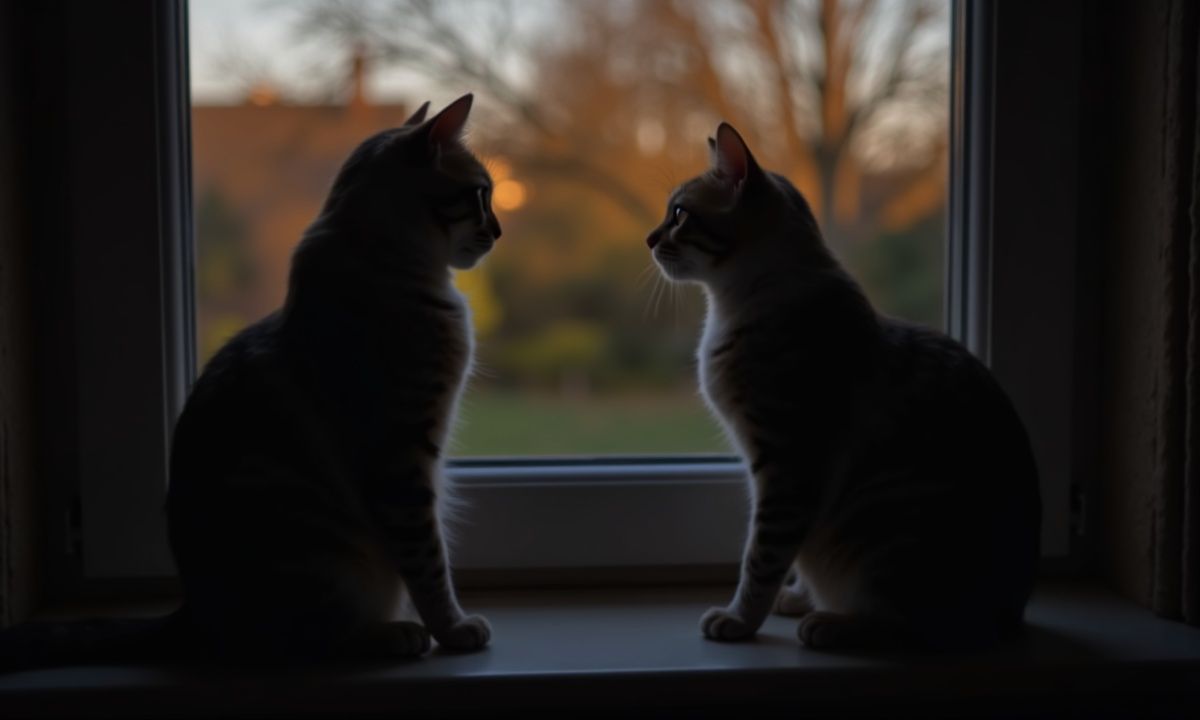
As the sun sets and the house quiets down, you might notice your feline friend lying on the windowsill, staring out into the twilight. Cats are known for their independence, but just like any other pet, they can experience feelings of loneliness. Observing your cat’s behavior can provide insights into their emotional state. How to tell if your cat is feeling lonely can often be a matter of looking for subtle signs that may go unnoticed in the hustle and bustle of everyday life.
Understanding Your Cat's Behavior
Every cat has its own personality, which makes it crucial to understand what is typical behavior for your pet. Some cats are naturally more social than others. However, sudden changes in behavior can indicate that something is amiss. For instance, if your normally playful cat suddenly becomes withdrawn, this could be a sign of loneliness.

Common behaviors that suggest your cat might be feeling lonely include excessive vocalization, changes in eating habits, or increased aggression. If your cat is meowing more than usual, it may be seeking attention. On the other hand, decreased appetite can indicate that your cat feels disconnected and unmotivated.
Signs of Loneliness in Cats
Recognizing loneliness in your cat is not always straightforward. Here are some signs to watch out for:

- Increased Solitude: If your cat prefers staying in a secluded spot rather than interacting with family members, it could be a sign of loneliness.
- Destructive Behavior: Cats that feel neglected might engage in destructive behaviors, such as scratching furniture or knocking things off tables.
- Changes in Grooming Habits: A lonely cat may either over-groom, leading to bald patches, or neglect grooming altogether.
- Pacing or Restlessness: A cat that is frequently pacing or seeming restless may be manifesting signs of anxiety stemming from loneliness.
Many cat owners may find themselves perplexed when their usually affectionate cats start to withdraw. It is essential to recognize these behaviors and understand that they can stem from emotional distress.
The Importance of Social Interaction
Social interaction is vital for a cat's mental well-being. Unlike dogs, cats are often perceived as solitary creatures, but they do thrive on companionship. Engaging with your cat through playtime, petting, or simply talking to them can help alleviate feelings of loneliness. Additionally, having another pet in the household can provide your cat with the companionship it craves.
It’s not just about physical presence; emotional connection matters too. According to the Humane Society, enriching your cat's environment with toys, scratching posts, and interactive play can significantly improve their mood and reduce feelings of isolation.
Practical Steps to Alleviate Loneliness
If you suspect your cat is feeling lonely, here are a few expert-recommended strategies to help improve their emotional state:
- Interactive Play: Spend at least 15 to 30 minutes each day playing with your cat. Use toys that mimic prey movements, such as feather wands or laser pointers, to stimulate their hunting instincts.
- Consider a Companion: If feasible, bringing another cat into your home might provide your cat with a constant playmate and alleviate loneliness.
- Create a Stimulating Environment: Provide your cat with access to windowsills, perches, and climbing structures. This creates an enriching environment that stimulates their natural curiosity.
- Routine: Cats thrive on routine. Ensure that feeding times, playtime, and other daily activities are consistent to provide a sense of security.
By implementing these practices, you can help foster a more contented and socially engaged cat. Remember, regular interaction is key to preventing loneliness.
When to Seek Professional Help
If you notice persistent signs of loneliness despite your efforts, it may be time to consult a veterinarian or an animal behaviorist. They can provide insights into whether your cat's behavior stems from loneliness or if there are underlying health issues that need addressing.
Behavioral problems can sometimes be complex. In some cases, medication or specialized behavioral training may be necessary to help your cat feel more secure and happy. Recognizing when to seek help is an essential part of responsible pet ownership.
Real-World Context: The Pandemic Effect
The COVID-19 pandemic saw many pet owners working from home more than ever before. Cats that had grown accustomed to their owners being around may have found it challenging when routines changed once again. Some pet owners reported an increase in their cats’ clinginess or signs of distress when they returned to the office. This phenomenon highlights the emotional needs of cats and the importance of maintaining a stable environment for them.
Final Thoughts on Cat Loneliness
Understanding how to tell if your cat is feeling lonely requires careful observation and a willingness to adapt your interactions based on your pet's needs. Cats communicate in subtle ways, and being attuned to their behaviors can make a significant difference in their emotional well-being. Whether through enriched play, social companionship, or professional guidance, you can ensure your cat leads a happy and fulfilling life.
For more information on enhancing your home environment, check out our article on How to remove limescale from glass shower doors without harsh chemical cleaners Update. A clean and organized space can contribute positively to your pet's mood.
Remember, your cat relies on you not just for food and shelter but for companionship and emotional support. Taking the time to engage with your feline friend can lead to a more harmonious household.

Comments (0)
No comments yet. Be the first to comment!
Leave a Comment