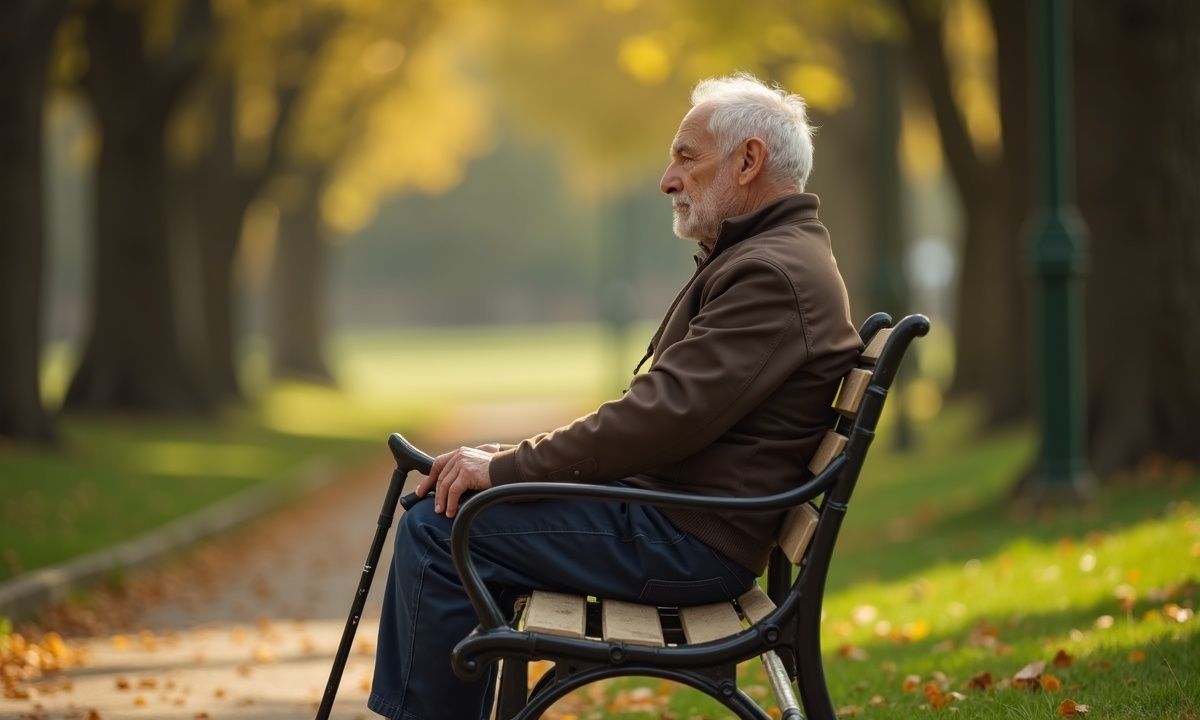
Walking has long been heralded as one of the simplest and most accessible forms of exercise. For many, a short stroll can bring fresh air and a moment of peace. However, for some individuals, particularly those at an age where they might expect to enjoy life more fully, such as at 65, even brief walks can leave them feeling exhausted. “I’m 65 and feel tired after short walks,” is a sentiment that echoes through the experiences of many. What lies behind this fatigue? Often, it can be traced back to the way we breathe during physical activity.
Understanding the Breathing Connection
Breathing is an automatic process, but it can also be influenced by our physical state and mindset. Many older adults experience a change in how they breathe, especially during exertion. It’s common for individuals to develop a habit of shallow breathing, which limits the amount of oxygen that reaches the muscles. This shallow pattern often leads to feelings of fatigue, as the body struggles to perform even simple tasks efficiently.

When walking, the demand for oxygen increases, particularly if the pace quickens. If the breathing is not deep and rhythmic, the body may not receive the oxygen it needs, leading to a quick onset of tiredness. This is particularly relevant for those who might not have been physically active for some time. Over time, habitual shallow breathing can become the norm, making even short distances feel like a marathon.
Real-World Implications
Imagine a sunny afternoon walk in the park. For many, this is a rejuvenating experience, a chance to soak in nature and reconnect with oneself. Yet, for someone who feels tired after just a short distance, this experience can turn from enjoyable to discouraging. The frustration of feeling out of breath can overshadow the simple pleasure of being outdoors. This disappointment can sometimes lead to avoidance of physical activity altogether, creating a vicious cycle of reduced endurance and lower overall energy levels.
Practical Breathing Techniques
Improving one’s breathing pattern can be a game changer. There are several techniques that can help individuals at any age, but especially those who are 65 and looking to regain some vitality. One effective method is the practice of diaphragmatic breathing. This technique encourages deeper breaths using the diaphragm rather than the chest, allowing for a more efficient exchange of oxygen and carbon dioxide.

To practice diaphragmatic breathing, one might start by lying on their back with knees bent or sitting comfortably. Placing a hand on the belly helps in feeling the rise and fall as the diaphragm engages. Inhale deeply through the nose, letting the stomach expand, and then exhale slowly through pursed lips. Gradually, this practice can be integrated into walking sessions. By consciously breathing deeply while walking, individuals might find themselves feeling less fatigued and more energetic.
The Role of Physical Fitness
Alongside breathing techniques, general physical fitness plays a significant role in endurance. Regular exercise can improve cardiovascular health, which in turn enhances the efficiency of oxygen delivery throughout the body. Engaging in low-impact activities such as swimming, cycling, or even yoga not only helps with fitness but also promotes better breathing patterns.
For those who may be hesitant to start an exercise regimen, incorporating short and manageable routines can be beneficial. A study published by Harvard Medical School emphasizes the importance of consistency over intensity, particularly for older adults. Simple routines, such as a daily 10-minute walk or gentle stretching, can gradually build both confidence and endurance.
Mental Factors and Motivation
Fatigue is not solely a physical issue; it can also be influenced by mental states. Stress, anxiety, and even fear of falling can contribute to a reluctance to engage in physical activity. Addressing these mental barriers is essential for a holistic approach to improving one’s energy levels. Mindfulness practices, such as meditation or gentle yoga, can help in reducing stress and improving overall well-being.
Additionally, having a walking buddy can make a significant difference. The social aspect of walking can serve as motivation and encouragement, making the activity feel less daunting. Sharing the experience with someone else not only provides companionship but can also help in maintaining a steady pace, allowing for better breathing and, consequently, less fatigue.
Aging and Breath Awareness
As we age, our bodies naturally undergo changes that can affect endurance and energy levels. Being aware of these changes can empower individuals to take action. Monitoring one’s breathing during activities is an easy yet effective strategy to gauge physical exertion and adjust accordingly. If fatigue sets in, it might be a signal to slow down, refocus on breathing, and perhaps take a break.
Furthermore, understanding that it’s perfectly normal to feel tired after exertion as one ages can foster a sense of acceptance. It’s not about pushing through discomfort; rather, it’s about listening to one’s body and responding appropriately. Adapting activities to fit personal comfort levels can lead to a more enjoyable and sustainable approach to staying active.
Looking Forward
For those who resonate with the statement, “I’m 65 and feel tired after short walks,” there is hope and a path forward. By addressing breathing patterns and incorporating simple fitness strategies, it is possible to enhance endurance and reclaim the joy of movement. Rather than viewing fatigue as an insurmountable barrier, it can be reframed as an opportunity for growth.
As you embark on this journey, consider small, consistent changes. Whether it’s practicing diaphragmatic breathing, engaging in gentle exercises, or seeking companionship during walks, each step can contribute to a more vibrant life. For more insights on maintaining vitality as you age, check out our article on I’m 92 And Feel 50: Here’s My Simple Daily Workout Routine And How To Start In Your 60s.
Ultimately, it’s about finding what works best for you and allowing yourself the grace to adapt as needed. Life after 65 can be fulfilling and active, and with the right approach, even short walks can become a source of energy rather than fatigue.

Comments (0)
No comments yet. Be the first to comment!
Leave a Comment