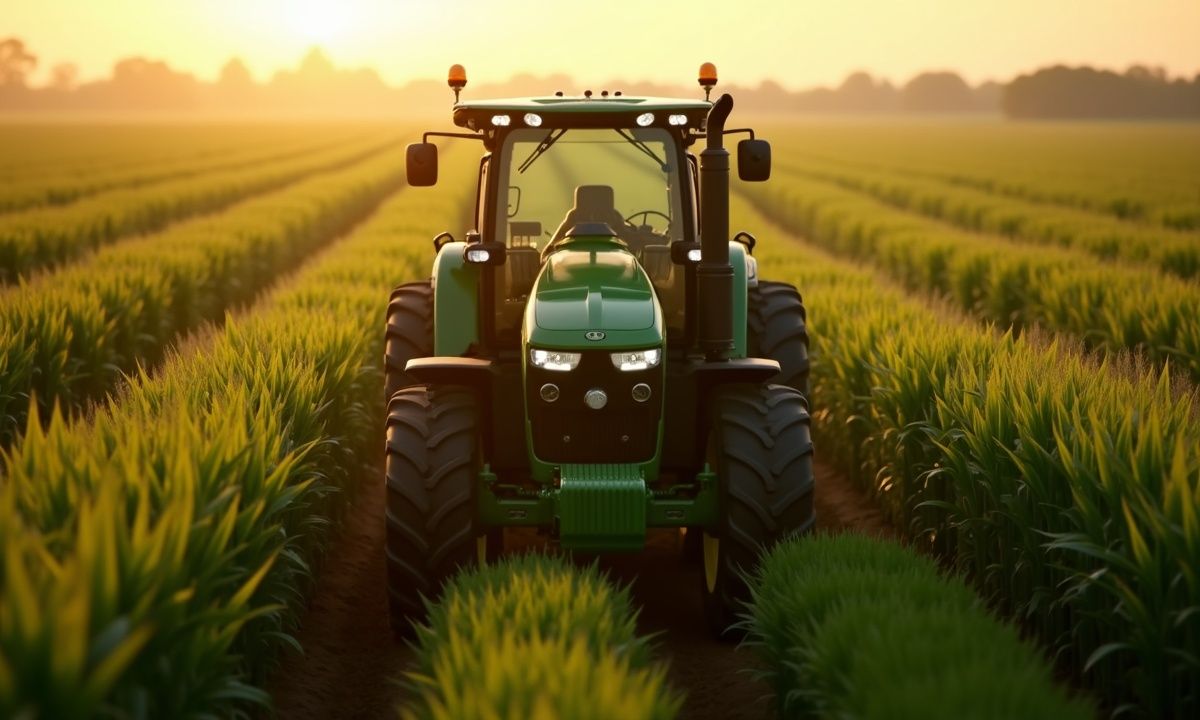
In the expansive fields of American agriculture, the introduction of artificial intelligence is not just a trend; it's a seismic shift. Farmers have long relied on the land, weather, and traditional farming practices, but now they are turning to technology to enhance productivity and efficiency. One name that stands out in this transformative wave is John Deere, a company synonymous with farming equipment. With its AI-powered tractors, John Deere is not only streamlining operations but also saving farmers an estimated $500 million. This development signals a new era in agriculture, where data-driven decisions are becoming the norm.
The Role of AI in Agriculture
Artificial intelligence has the capability to analyze vast amounts of data far more efficiently than the human brain. In agriculture, this means utilizing data from various sources—weather patterns, soil conditions, and crop health—to inform farming decisions. Farmers can now predict the best planting times, manage crop health, and even automate tasks like planting and harvesting. John Deere’s AI tractors exemplify this trend, offering features that allow for real-time adjustments based on environmental conditions.
Precision Agriculture
At the heart of John Deere’s AI technology is precision agriculture, a farming management concept that uses information technology to ensure that crops and soil receive exactly what they need for optimum health and productivity. For instance, John Deere’s machines can gather data on soil moisture and nutrient levels, allowing farmers to apply water and fertilizers precisely where needed. This targeted approach not only conserves resources but also reduces costs and minimizes environmental impact.

Real-World Impact
Consider a corn farmer in Iowa who has been struggling with fluctuating yields due to inconsistent weather patterns. By integrating John Deere’s AI tractors into his operations, he can monitor soil conditions and adjust irrigation schedules accordingly. This data-driven approach enables him to maximize his yield while conserving water, a vital resource in farming. The financial benefits are significant; farmers like him are among those contributing to the estimated $500 million in savings attributed to these AI technologies.
Data-Driven Decisions
The shift towards data-driven farming is not just about technology adoption; it also involves a cultural change within the agricultural community. Farmers are learning to trust data just as much as they trust their instincts honed over years of experience. With the support of companies like John Deere, they are becoming more adept at interpreting data and making informed decisions. This collaborative approach fosters a sense of empowerment among farmers as they gain new tools to tackle age-old challenges.
Environmental Considerations
As agriculture faces increasing scrutiny over its environmental impact, the role of AI becomes even more crucial. Efficiency in water and fertilizer usage is not just about saving money; it’s also about sustaining the planet. By reducing runoff and minimizing waste, John Deere’s AI tractors contribute to more environmentally friendly farming practices. This is especially relevant as climate change continues to affect farming conditions globally, pushing the industry toward more sustainable practices.

Challenges Ahead
While the benefits of AI in agriculture are clear, the transition is not without its challenges. Farmers may face initial costs associated with purchasing advanced machinery, and there can be a learning curve associated with new technologies. Additionally, concerns about data privacy and cybersecurity are becoming increasingly prominent as more devices become interconnected. As farmers adapt to this new landscape, support and education will be vital in ensuring they can make the most of these advancements.
The Future of Farming
The potential for AI in agriculture is vast. With ongoing advancements, we can expect to see more features that allow for even greater precision and efficiency. For example, machine learning algorithms may soon be able to predict pest outbreaks based on environmental data, allowing farmers to act proactively rather than reactively. This could further enhance productivity while reducing the reliance on chemical pesticides. Such capabilities will likely become a topic of interest in future discussions about agriculture and technology, as outlined in our article on 12 Must-Know AI Trends Every Tech Professional Should Watch in 2026.
Community and Collaboration
As John Deere leads the charge in integrating AI into farming, collaboration between technology companies, agricultural experts, and farmers will be essential. Sharing knowledge and resources can help accelerate the adoption of these technologies, allowing farmers to maximize their benefits. Initiatives such as workshops, training sessions, and online forums can facilitate this exchange, providing farmers with the skills they need to harness AI effectively. Community support can play a pivotal role in ensuring that the agricultural sector keeps pace with technological advancements.
Global Perspective
While the focus here has been on American agriculture, the implications of AI in farming are global. Countries facing food security challenges can benefit significantly from technologies that increase efficiency and yield. International collaborations may lead to solutions tailored to specific regional needs, addressing issues like soil degradation and water scarcity. The potential for AI in agriculture could extend beyond financial savings, contributing to global food security and sustainability.
A Thoughtful Closure
As we look to the future, it's clear that John Deere’s AI tractors are not just a technological marvel; they represent a shift in how agriculture operates. The savings of $500 million for farmers is a testament to the efficiency gains made possible through these advancements. The journey toward fully integrating AI into agriculture will involve navigating challenges and embracing opportunities. Farmers who engage with these technologies not only improve their operations but also contribute to a more sustainable and productive agricultural landscape. As the industry continues to evolve, staying informed about trends and technologies, including insights from articles like 2026 AI Predictions That Will Terrify (or Excite) Every Developer, will be essential in shaping the future of farming.

Comments (0)
No comments yet. Be the first to comment!
Leave a Comment