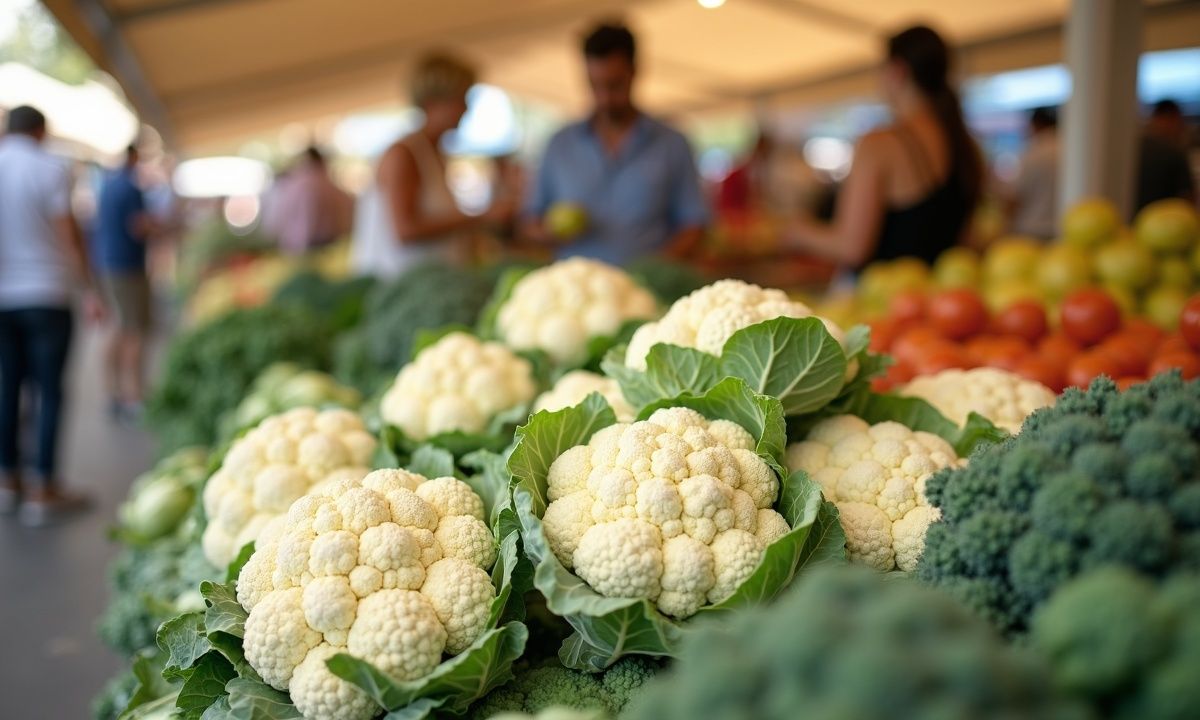
Picture this: you stroll through your local farmer’s market, greeted by the vibrant colors of fresh produce. Cauliflower, broccoli, and cabbage catch your eye, each a staple in countless kitchens. Many don’t realize that these beloved vegetables are not just different in appearance and taste, but actually varieties of the same plant. This fascinating botanical relationship often goes unnoticed, yet it opens up a conversation about the diversity and genetic makeup of our food.
Botanical Roots of Familiar Vegetables
At first glance, one might struggle to see the connection between a fluffy head of cauliflower and a robust stalk of broccoli. However, these vegetables all belong to the species Brassica oleracea. This species, part of the mustard family, encompasses various cultivars that have been selectively bred over centuries for different traits. The differences in flavor, texture, and appearance among cauliflower, broccoli, and cabbage stem from human cultivation and preference.

Cauliflower, for instance, has been bred to emphasize its flower heads, resulting in the white, compact clusters we adore. Broccoli, on the other hand, showcases its green flower buds and stems, offering a crunch that many find appealing. Cabbage forms tight, leafy heads, which are prized for their versatility in salads, soups, and fermented dishes like sauerkraut. Each variety showcases a unique adaptation to human tastes and culinary traditions, demonstrating the impact of selective breeding.
The Role of Climate and Geography
The evolution of these vegetables is also a product of their geographical origins. Brassica oleracea is believed to have originated in the Mediterranean region, where it thrived in diverse climates. As humans began to cultivate these plants, they adapted to different environmental conditions, leading to the creation of various cultivars. This adaptability is one reason why these vegetables are now grown worldwide, from the temperate climates of Europe to the subtropical regions of Asia.

For example, Roman farmers cultivated cabbage varieties as early as 400 B.C., while broccoli was first developed in Italy in the 18th century. Today, both vegetables have made their way into global cuisines, highlighting how cultural exchanges have shaped our diets. In fact, many people don’t realize it, but cauliflower, broccoli, and cabbage are all different varieties of the same plant, showcasing how history and geography intertwine with our food.
Nutritional Benefits and Culinary Versatility
Not only do these vegetables share a botanical lineage, but they also offer impressive health benefits. They are rich in vitamins C and K, fiber, and a host of antioxidants. Incorporating them into your diet can support immune function, promote digestive health, and even reduce the risk of chronic diseases.
Culinary versatility is another trait that these vegetables share. Cauliflower can be roasted, mashed, or even turned into rice, making it a popular ingredient in low-carb diets. Broccoli shines in stir-fries and salads, adding a delightful crunch and vibrant color. Cabbage is a staple in dishes around the world, from coleslaws in the United States to kimchi in Korea. This adaptability makes them essential ingredients in various culinary traditions, allowing home cooks and professional chefs alike to get creative.
Environmental Impact and Sustainability
The cultivation of Brassica oleracea also raises important discussions about sustainability. As awareness grows about the environmental impact of agriculture, many are seeking to understand the origins of their food. These vegetables are relatively easy to grow and can thrive in diverse soil types, making them popular choices for sustainable farming practices. Initiatives promoting local agriculture often encourage the cultivation of these plants, supporting both farmers and consumers.
Moreover, because they can be grown in a variety of climates, they also contribute to food security. Farmers can rotate these crops to improve soil health and reduce pest populations, which benefits both the environment and crop yields. This aspect of cultivation is increasingly relevant as climate change poses challenges to traditional farming methods.
The Culinary World’s Underappreciated Trio
Despite their shared origins and numerous health benefits, cauliflower, broccoli, and cabbage often exist in their own culinary silos. Many people don’t realize that they can be combined in dishes to create a symphony of flavors and textures. A simple stir-fry could incorporate all three, providing a colorful and nutritious meal that celebrates their differences while highlighting their common roots.
For instance, a roasted vegetable medley featuring these three can be seasoned with garlic and herbs, bringing out their natural sweetness. Alternatively, a creamy soup made with cauliflower and broccoli can be garnished with sautéed cabbage for added texture. These combinations not only enhance flavor but also encourage a broader appreciation for the array of vegetables available in our markets.
Encouraging Awareness and Education
Education plays a crucial role in fostering an appreciation for these vegetables and their shared lineage. Many cooking classes and nutrition workshops have begun to highlight the importance of understanding the origins of our food. By encouraging individuals to learn about the plants they consume, we can promote more mindful eating practices and a deeper connection to our meals.
Organizations focused on sustainable agriculture, like USDA Agricultural Marketing Service, provide resources and educational materials that can help consumers make informed choices. As we become more aware of the stories behind our food, we can develop a greater appreciation for the diversity of our diets.
Food Culture and Community
In many communities, food brings people together. Farmers’ markets, local co-ops, and community gardens serve as gathering places where individuals can share recipes and cooking tips. This exchange of knowledge fosters a sense of community, allowing people to rediscover the roots of their food.
As discussions about food sustainability and health continue to evolve, understanding the relationships between the foods we eat becomes increasingly important. Many people don’t realize that by embracing the diversity of vegetables like cauliflower, broccoli, and cabbage, we can enrich our diets and our lives.
Ultimately, the next time you encounter these vegetables, take a moment to appreciate their shared heritage. Whether you enjoy them raw, steamed, or roasted, you are partaking in a long-standing tradition that connects us to our past and shapes our future.

Comments (0)
No comments yet. Be the first to comment!
Leave a Comment