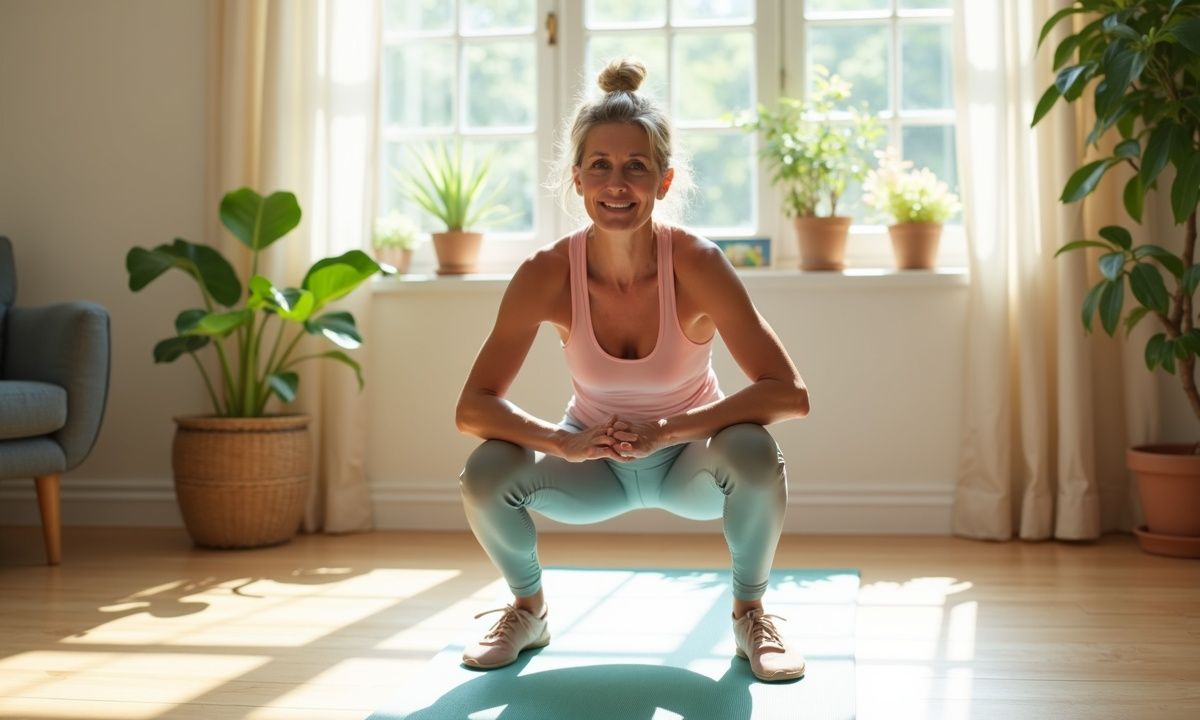
When it comes to managing knee pain, the standard advice often leans toward low-impact activities like swimming or Pilates. However, a growing faction of health experts is now endorsing a more controversial approach: squats. This shift has sparked spirited discussions within the medical community, leaving many to wonder whether the traditional views on exercise for knee pain are due for a revision.
The Traditional Approach to Knee Pain
For years, swimming has been heralded as a go-to exercise for individuals suffering from knee pain. The buoyancy of water alleviates pressure on the joints, allowing for a full range of motion without the risk of injury. Pilates, too, has gained popularity for its focus on core strength and controlled movements, promoting stability and balance. Yet, while these methods have their merits, they may not suit everyone.

Some patients find that despite their best efforts in the pool or on the Pilates mat, they continue to experience discomfort. This has led to a search for alternatives that might offer more direct engagement with the muscles and joints involved in knee function. Enter squats—a fundamental movement that has long been associated with strength training but is now being reexamined in the context of knee health.
The Case for Squats
Recent studies suggest that squats, when performed with proper technique, can strengthen the muscles surrounding the knee, potentially providing better support and reducing pain. Proponents argue that squats can enhance muscular endurance and stability in the lower body, leading to improved functional capacity for daily activities.

For example, a study published in a prominent sports medicine journal highlighted that individuals who incorporated squats into their rehabilitation routines reported less pain and greater mobility compared to those who solely relied on low-impact exercises. This seems counterintuitive to the traditional narrative that views squats as high-impact and risky for those with knee issues.
Understanding the Mechanics
The key to benefiting from squats lies in proper form and gradual progression. Experts recommend starting with bodyweight squats before moving on to weighted variations. This allows individuals to focus on technique, ensuring the knees remain aligned with the toes and that the back stays straight.
Furthermore, it's crucial to listen to one’s body. If pain arises during a squat, it may indicate improper form or the need for modification. Simple adjustments, such as reducing the depth of the squat or using a support, can make a significant difference in comfort and safety. A physical therapist can provide invaluable guidance in this area.
The Controversy Surrounding Squats
However, not everyone is on board with this new perspective. Some healthcare providers remain skeptical, fearing that squats could exacerbate existing issues for certain patients. This skepticism often stems from a concern about the potential for improper technique leading to further injury. The medical community is divided, with some experts advocating for traditional low-impact exercises while others support the inclusion of squats as a viable option.
Despite the divide, anecdotal evidence is piling up. Many individuals have shared their success stories on forums and social media, crediting squats for their improved knee health. These personal accounts often mention how integrating squats into their routines has enhanced their overall fitness and mobility. Such testimonials are compelling, offering a glimpse into the potential benefits that squats can provide.
Real-World Applications
Consider an active adult who has always enjoyed hiking but has been sidelined by knee pain. After trying swimming and Pilates without much relief, they decide to consult a trainer familiar with strength training. With guidance, they begin a regimen of squats tailored to their needs. Over weeks, they notice not only reduced pain but also increased strength, allowing them to return to the trails they love.
This scenario illustrates that, while swimming and Pilates have their place, there are cases where squats can serve as a more effective strategy. Personal experiences like this can be powerful motivators for those contemplating a change in their exercise routine.
Finding Balance in Exercise Choices
The key takeaway is not to dismiss any one method outright. Instead, it may be beneficial to adopt a balanced approach that incorporates various forms of exercise. While neither swimming nor Pilates should be disregarded, integrating squats could provide additional strength and stability to the knee joint.
Healthcare professionals often emphasize the importance of individualized exercise plans. What works for one person may not work for another, and that’s perfectly okay. The landscape of exercise for knee pain is evolving, with more options available than ever before. Those struggling with knee issues should consult with a healthcare provider to determine the best path forward.
The Road Ahead
As the dialogue surrounding knee pain management continues, it is crucial for individuals to remain informed and open-minded. The endorsement of squats as a corrective exercise represents a shift in thinking that could benefit many. While swimming and Pilates will likely remain staples in rehabilitation programs, the inclusion of squats could offer new avenues for recovery and strength building.
Ultimately, the conversation around exercise for knee pain is just beginning. With ongoing research and varying expert opinions, individuals are encouraged to seek out the methods that resonate with their bodies. Whether it's the soothing waters of the pool, the controlled movements of Pilates, or the strength-building potential of squats, there is no one-size-fits-all solution.
As we navigate this evolving landscape, it’s essential to remain adaptable. While neither swimming nor Pilates may work for everyone, keeping an open mind about alternative approaches could lead to improved outcomes for those managing knee pain.

Comments (0)
No comments yet. Be the first to comment!
Leave a Comment