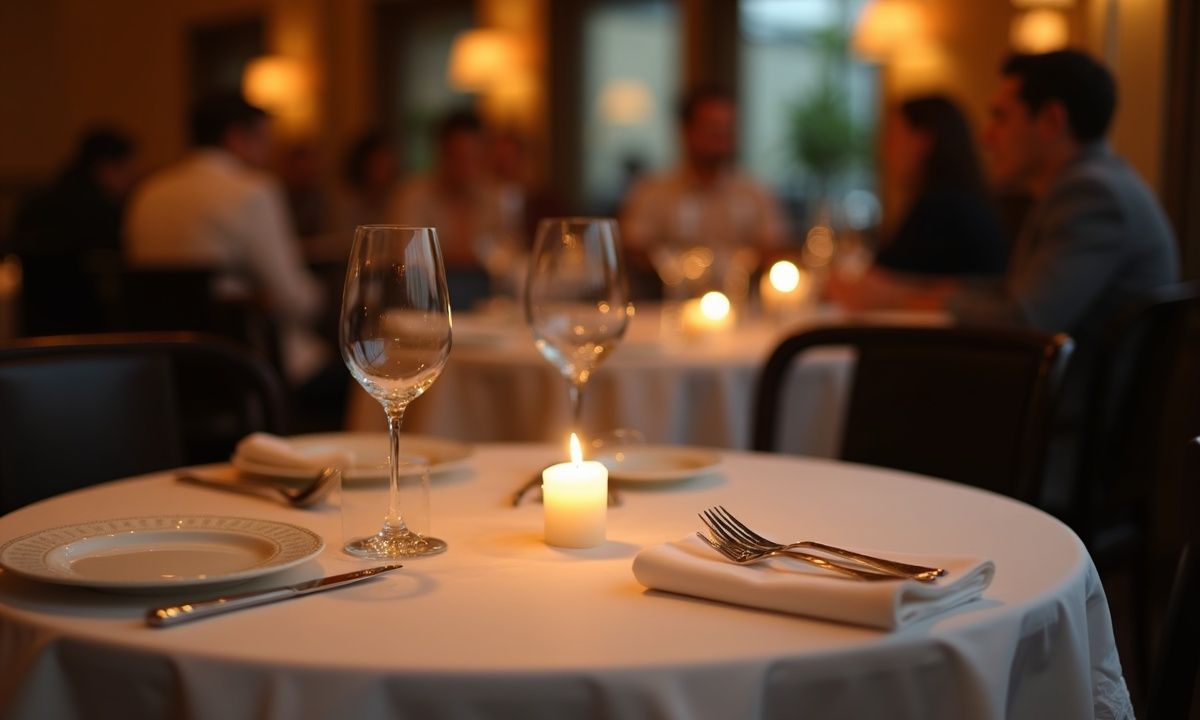
Walking into a restaurant often feels like stepping into a world of culinary artistry. From the clinking of glasses to the sizzling sounds from the kitchen, the atmosphere is charged with anticipation. As you settle into your seat, the server approaches, a warm smile on their face. They lean in slightly and say, “Bonne dégustation.” It’s a phrase that rolls off the tongue with a certain elegance, yet many English speakers might wonder why they don’t hear the more familiar “Bon appétit.” This seemingly minor detail opens a window into the cultural nuances that shape our dining experiences.
The Cultural Significance of Dining Etiquette
In the realm of gastronomy, language plays a crucial role in conveying respect and appreciation for food. “Bon appétit” is a common expression in many restaurants, particularly in casual settings. However, “bonne dégustation” is often reserved for a more refined dining experience. This subtle difference reflects the varying degrees of formality and intention behind the meal. When a server wishes you a good tasting, they are not just expressing goodwill; they are acknowledging the effort that has gone into the preparation of your meal.

This distinction can be particularly important in French culture, where food is celebrated not merely as sustenance but as an experience to be savored. The phrase “bonne dégustation” implies a deeper engagement with the meal, inviting diners to appreciate the flavors, textures, and presentation of the dishes. In essence, it encourages a mindful approach to eating, suggesting that every bite is worthy of attention.
The Evolution of Dining Experiences
Dining has evolved significantly over the years, transitioning from mere necessity to a social event. Restaurants now serve as gathering spots where people come together to celebrate, converse, and enjoy culinary delights. As this evolution continues, the language used in these spaces adapts too. In high-end establishments, the choice of words can enhance the overall atmosphere, creating a more immersive experience. This is where “bonne dégustation” shines, elevating the dining experience beyond the meal itself.

Consider the difference between a casual lunch at a bistro and an elegant dinner at a Michelin-starred restaurant. At the bistro, the focus may be on comfort and familiarity, while the upscale restaurant emphasizes artistry and sophistication. This is reflected not only in the menu but also in the way servers interact with diners. The term “bonne dégustation” is often found in the latter, signaling a commitment to culinary excellence.
The Role of the Server in the Dining Experience
The server is a crucial figure in any restaurant. They are the bridge between the kitchen and the table, ensuring that the dining experience flows smoothly. When they say “bonne dégustation,” it serves multiple purposes. Firstly, it personalizes the interaction, making diners feel valued. Secondly, it sets the tone for the meal, inviting guests to immerse themselves in the flavors that await them.
Interestingly, the way servers communicate can influence diners' perceptions of their meal. A study conducted by the National Restaurant Association found that customer satisfaction is closely tied to the quality of service. When servers engage genuinely, using phrases like “bonne dégustation,” it fosters a sense of connection and enjoyment.
A Look at Dining Trends
As dining trends shift, so does the language used within restaurant settings. For instance, the rise of experiential dining has changed how restaurants present their menus and interact with customers. Diners are now looking for more than just a meal; they seek an experience that engages all their senses. This trend has led to more personalized service, where phrases like “bonne dégustation” become part of a larger narrative that enhances the overall experience.
Moreover, the blending of cultures in today’s culinary landscape has introduced a variety of expressions and customs to the dining table. Restaurants that celebrate multicultural cuisines often incorporate terms from various languages, enriching the dining experience. This not only educates diners but also creates a more inclusive atmosphere.
The Impact of Social Media on Restaurant Etiquette
Social media has transformed how we share our dining experiences. Pictures of beautifully presented dishes flood platforms like Instagram and TikTok, prompting restaurants to elevate their presentation and service. In this context, the language used by servers becomes even more significant. A thoughtfully articulated greeting or farewell can leave a lasting impression, encouraging diners to share their experiences online.
When guests post about their dining experiences, they often reflect on the atmosphere and service, including the phrases that stood out. A simple “bonne dégustation” can become a talking point, creating a ripple effect that extends far beyond the restaurant’s walls. This phenomenon illustrates how language intertwines with the dining experience and social sharing.
Dining Beyond Borders
The phrase “bonne dégustation” encapsulates a broader cultural appreciation for food that extends beyond France. As global influences permeate local dining scenes, many restaurants are adopting similar expressions to resonate with diverse clientele. This trend highlights a growing understanding that food is a universal language, capable of bridging cultural gaps.
In places where international cuisine thrives, diners may find themselves greeted with words from different cultures. Whether it’s “buon appetito” in Italy or “itadakimasu” in Japan, each expression carries its own sentiment of respect and appreciation. This practice not only enriches the dining experience but also fosters cultural exchange, encouraging diners to appreciate the foods of the world.
For instance, a restaurant specializing in Asian cuisine might emphasize the concept of “itadakimasu,” which expresses gratitude for the meal. This creates a unique dining atmosphere that invites guests to engage with the culture behind the cuisine.
Reflecting on the Dining Experience
Ultimately, the difference between “bonne dégustation” and “bon appétit” serves as a reminder of the nuances that shape our dining experiences. It encourages us to consider not just what we eat, but how we engage with our meals and the environments in which they are served. As we navigate the world of dining, it’s worth reflecting on the language we use and how it impacts our appreciation for food.
Next time you find yourself in a restaurant, pay attention to the words spoken by your server. Embrace the invitation to savor your meal, and remember that each phrase carries a history and a cultural significance. After all, dining is not just about nourishment; it’s about connection, experience, and the joy of sharing food with others.
For those interested in the intricacies of dining etiquette, you might also find it enlightening to read about Addition en fin de repas : oui, le restaurateur peut refuser cette demande du client (la loi est claire à ce sujet) and discover how the restaurant experience continues to evolve.
As we embrace diverse culinary experiences, we also learn more about each other and the rich tapestry that food creates. Language, when it comes to dining, is an art in itself, worthy of appreciation.

Comments (0)
No comments yet. Be the first to comment!
Leave a Comment