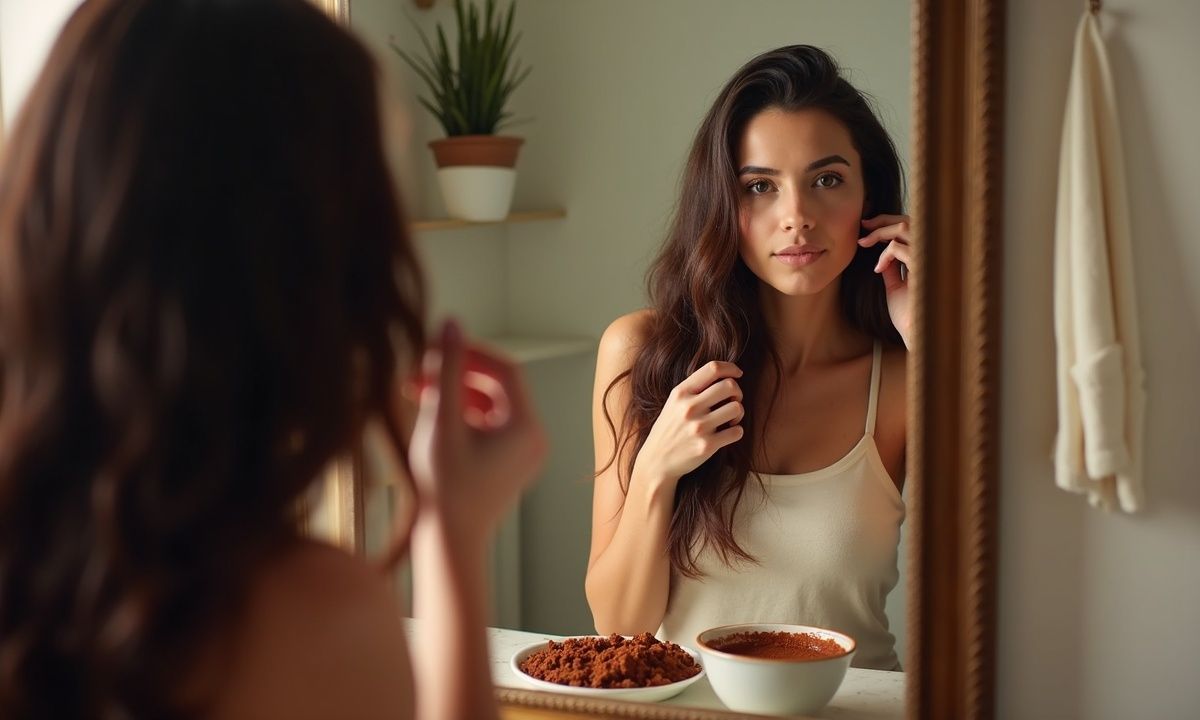
There’s something inherently satisfying about finding natural solutions in a world dominated by synthetic products. Take hair dye, for example. Many people are on the lookout for alternatives to conventional hair coloring, which often involves harsh chemicals that can damage hair over time. Safe henna hair dye blends have gained popularity as a solution that not only offers rich, long-lasting color but also minimizes the risk of chemical damage. This isn't just a trend; it's a shift toward more mindful beauty routines.
The Allure of Henna
Henna has been used for centuries in various cultures for body art and hair coloring. Its natural origins make it appealing to those who want to avoid the potentially harmful ingredients found in many commercial dyes. When applied to hair, henna provides a vibrant color while also nourishing the strands, thanks to its natural properties. It’s a plant-based dye derived from the leaves of the Lawsonia inermis plant, and it’s known for its ability to impart a rich reddish-brown hue.

As consumers become more aware of the effects of chemicals in their beauty products, the demand for safe henna hair options continues to rise. Many are seeking not just color but also a holistic approach to hair care. The convenience of using a natural product that can often be made at home is an attractive proposition. For those interested in experimenting with henna, there are numerous recipes available. Check out our article on Natural Henna Hair Dye Recipes for Safe, Vibrant, and Long-Lasting Results for ideas on how to create your own blends.
Choosing the Right Henna
Not all henna is created equal. When selecting henna for hair coloring, it’s essential to look for high-quality, pure henna without additives. Some products may contain chemicals or other plant materials that can alter the final color or affect hair health. Be sure to check labels and choose brands that are reputable and well-reviewed.

Additionally, consider the color you desire. Pure henna provides a warm, reddish tint, while other natural additives can create different shades. For example, adding indigo can yield black or dark brown tones, while mixing with chamomile tea can produce a lighter golden hue. This versatility makes henna a popular choice among those looking to customize their hair color while keeping it safe.
Mixing Henna with Other Natural Ingredients
To achieve specific colors and benefits, henna blends can incorporate a variety of other natural ingredients. For instance, amla powder can enhance shine and promote hair health, while coffee can deepen the color for a richer brown shade. These additions not only create a more personalized color but also provide additional nourishment to the hair.
By experimenting with these combinations, individuals can find the perfect blend that suits their hair type and desired look. If you’re unsure where to start, there are also plenty of online communities where henna enthusiasts share their favorite recipes and tips.
Application Techniques for Safe Henna Hair
Applying henna can be a bit different from traditional hair dyes. First, it’s crucial to prepare the henna mixture properly to ensure maximum color release. This generally involves mixing henna powder with an acidic liquid like lemon juice and allowing it to sit for a few hours or overnight. The application process can be messy, so using gloves and wearing an old shirt is advisable.
When applying, work in sections for even coverage. Some prefer to apply henna to dry hair, while others find damp hair helps the dye set better. The duration for leaving henna on can vary, typically ranging from one to several hours, depending on the desired intensity of color. After rinsing, it’s often recommended to avoid shampoo for a couple of days to allow the color to fully set.
Aftercare for Henna-Dyed Hair
Once the henna has been applied and rinsed out, proper aftercare can ensure that the color lasts longer and the hair remains healthy. Using sulfate-free shampoos and moisturizing conditioners can help maintain the vibrancy of the color while protecting the hair's natural moisture. Regularly applying natural oils can also support hair health, further enhancing the benefits of using henna.
Furthermore, the natural properties of henna can help strengthen the hair, leading to less breakage and frizz. This is particularly beneficial for those with chemically treated or damaged hair, as henna can act as a protective sealant.
Community and Culture Surrounding Henna
The use of henna for hair and body art is steeped in cultural significance, particularly in South Asian, Middle Eastern, and African traditions. It often symbolizes joy, celebration, and beauty. As more people embrace henna, there's a growing community of practitioners who share their experiences and techniques, fostering a sense of connection through this age-old practice.
Attending workshops or local events can also be a great way to learn about henna and its cultural importance. Many artists and practitioners are eager to share their knowledge, which can enrich one's understanding of the art and science behind henna.
Environmental Impact of Choosing Henna
The environmental impact of beauty products is becoming increasingly important to consumers. Choosing safe henna hair products not only benefits personal health but also contributes to sustainable practices. Most henna products, when sourced responsibly, have a minimal carbon footprint compared to synthetic dyes. Moreover, many companies that produce henna are committed to ethical sourcing and eco-friendly practices, making this a more sustainable choice overall.
Final Thoughts on Safe Henna Hair
Safe henna hair blends offer a compelling alternative to conventional hair dyes, providing rich color while promoting hair health. As more individuals seek natural solutions, henna stands out not only for its aesthetic appeal but also for its nourishing properties. The journey into henna can be as vibrant and varied as the colors it produces. Whether you’re looking for a subtle change or a bold statement, henna can be a fulfilling choice that aligns with a more mindful approach to beauty.
As you consider making the switch, remember that the right blend and technique can make all the difference. Whether you’re a seasoned henna artist or a curious newcomer, the world of safe henna hair is worth exploring.

Comments (0)
No comments yet. Be the first to comment!
Leave a Comment