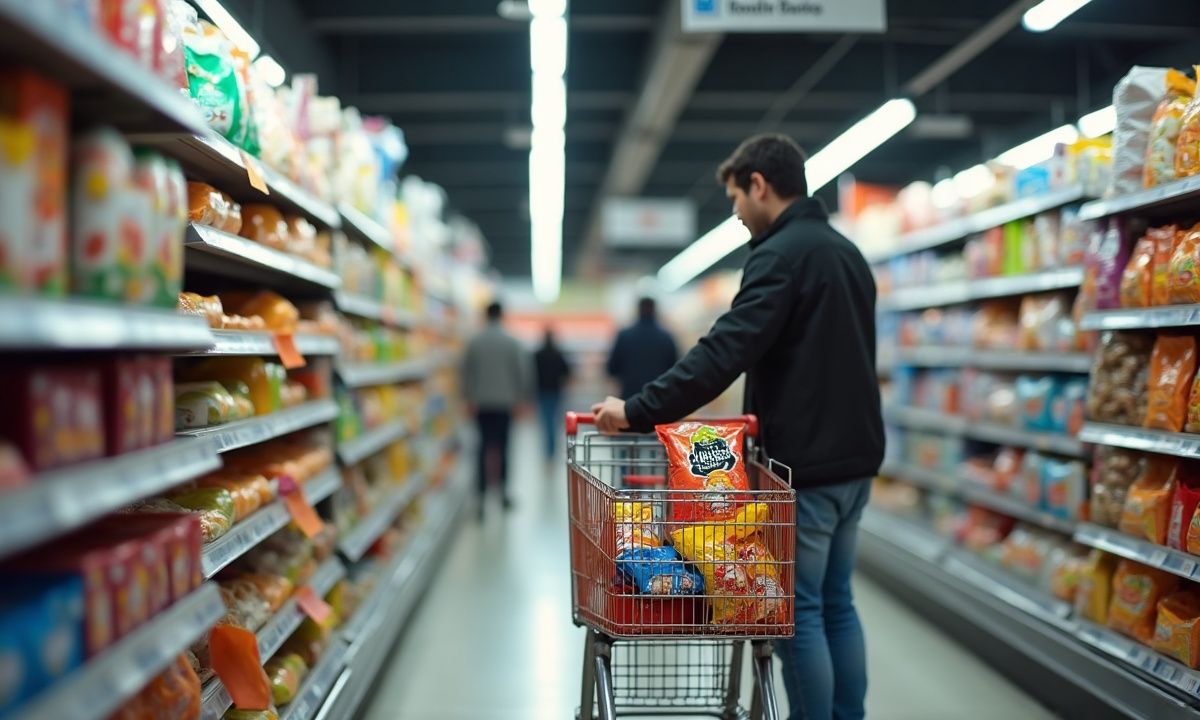
Imagine walking through the aisles of your local supermarché, pushing your cart filled with everyday essentials. You reach for that tempting snack on sale, and all seems normal, but what if I told you that artificial intelligence and your loyalty card are already shaping your purchasing decisions without you even realizing it? Recent studies suggest that supermarkets are increasingly relying on advanced algorithms and customer data to influence what you buy. This phenomenon raises questions about consumer autonomy and the unseen forces at play in our shopping experiences.
The Subtle Influence of AI in Supermarkets
Artificial intelligence is not just a buzzword; it is increasingly becoming integral to the retail landscape. Supermarkets collect vast amounts of data from loyalty cards, tracking purchasing habits and preferences. This information is then analyzed to create targeted marketing strategies aimed at maximizing sales. For instance, if you frequently purchase organic products, the supermarket may highlight similar items in your weekly promotions, nudging you towards those choices.

One striking example comes from a study conducted by a market analysis firm that revealed how supermarkets utilize AI to predict customer behavior. By analyzing shopping patterns, stores can determine which products to place near each other. For example, if you buy pasta, you’ll likely find pasta sauce prominently displayed nearby. This strategic placement is no accident; it's designed to increase the likelihood of impulse purchases.
Loyalty Programs: More Than Just Discounts
Your loyalty card is a key player in this intricate game. While many consumers view these cards as a way to save money, they are also powerful tools for supermarkets to gather detailed insights about shopping habits. Each swipe allows the store to track not only what you purchase but also when you shop, how much you spend, and even your preferred brands.

This data enables supermarkets to create personalized marketing campaigns. For example, if you regularly buy baby products, your supermarché might send you exclusive offers on diapers and baby food. Although this can feel convenient, it also means that your shopping experience is tailored to drive specific buying behaviors, often steering you toward higher-margin items.
Algorithms at Work: Pricing and Promotions
Another way supermarkets employ AI is through dynamic pricing strategies. Prices can change based on various factors, including demand, time of day, and even your loyalty status. For instance, if a product is nearing its expiration date, the store might lower the price to encourage quick sales, but this strategy can also create a sense of urgency that pushes customers to buy items they might not have otherwise considered.
Promotions are also carefully crafted using AI. A recent report indicated that many supermarkets employ complex algorithms to analyze which discounts resonate most with specific customer segments. If you often buy snacks, you may notice that chips are frequently discounted in your local store. This isn't a random occurrence; it’s a calculated move to keep you engaged and increase your overall spending.
The Impact on Consumer Choices
The implications of these strategies extend beyond mere shopping convenience. As supermarkets refine their tactics, there is a growing concern about consumer autonomy. Are we truly making independent choices, or are we being gently nudged toward certain products? This question is particularly relevant when considering how these algorithms can sometimes prioritize profit over customer needs.
For example, a study by the Consumers International highlighted that many shoppers are unaware of how their data is being used to manipulate their purchasing decisions. The emotional connection to brands can be exploited, leading consumers to make choices that might not align with their actual preferences or financial goals.
Real-World Examples and Observations
Consider the case of a shopper named Marie, who often buys gluten-free products. After signing up for a loyalty program, her local supermarché began to send her targeted emails featuring discounts on gluten-free items. While Marie appreciates the savings, she may not realize that the supermarket is using her data to encourage her to buy more specialty items that carry higher profit margins.
Moreover, with the rise of e-commerce, the same AI principles are applied online. Many supermarkets have integrated their loyalty programs with their websites, creating profiles that track not only in-store purchases but also online behavior. This dual approach means that whether you are browsing in-store or shopping from home, your decisions are under the influence of sophisticated algorithms.
In light of this, it is crucial for consumers to stay informed about how their shopping habits are being monitored and influenced. An article on promotional practices in supermarkets discusses the deceptive nature of certain discounts that may not be as beneficial as they appear. Understanding these tactics is essential for making informed choices.
Navigating the Supermarket Landscape
As we continue to navigate the complex world of supermarché shopping, awareness is key. By understanding how AI and loyalty programs work, consumers can better guard against manipulative marketing practices. One practical approach is to remain conscious of your shopping habits and to question whether you truly need the items being promoted to you.
Additionally, being vigilant about price changes and sales can prevent unnecessary spending. For instance, the article on common pitfalls in grocery shopping offers insights into how shoppers can avoid falling into traps set by promotional strategies.
The Future of Supermarkets and Consumer Awareness
The future of supermarkets appears to be heavily intertwined with technology and data analytics. As AI continues to evolve, it is likely that its role in shaping consumer behavior will only increase. The challenge for consumers will be to maintain a level of awareness and critical thinking when faced with marketing strategies designed to influence their choices.
Ultimately, understanding the dynamics of your local supermarché can empower you as a shopper. The more you know about how your data is used and the methods employed to attract your purchases, the better equipped you will be to make decisions that align with your values and budget.
Shopping should be an experience that brings joy and satisfaction, not a series of unrecognized influences. Embracing this knowledge can lead to a more fulfilling and intentional shopping experience.

Comments (0)
No comments yet. Be the first to comment!
Leave a Comment