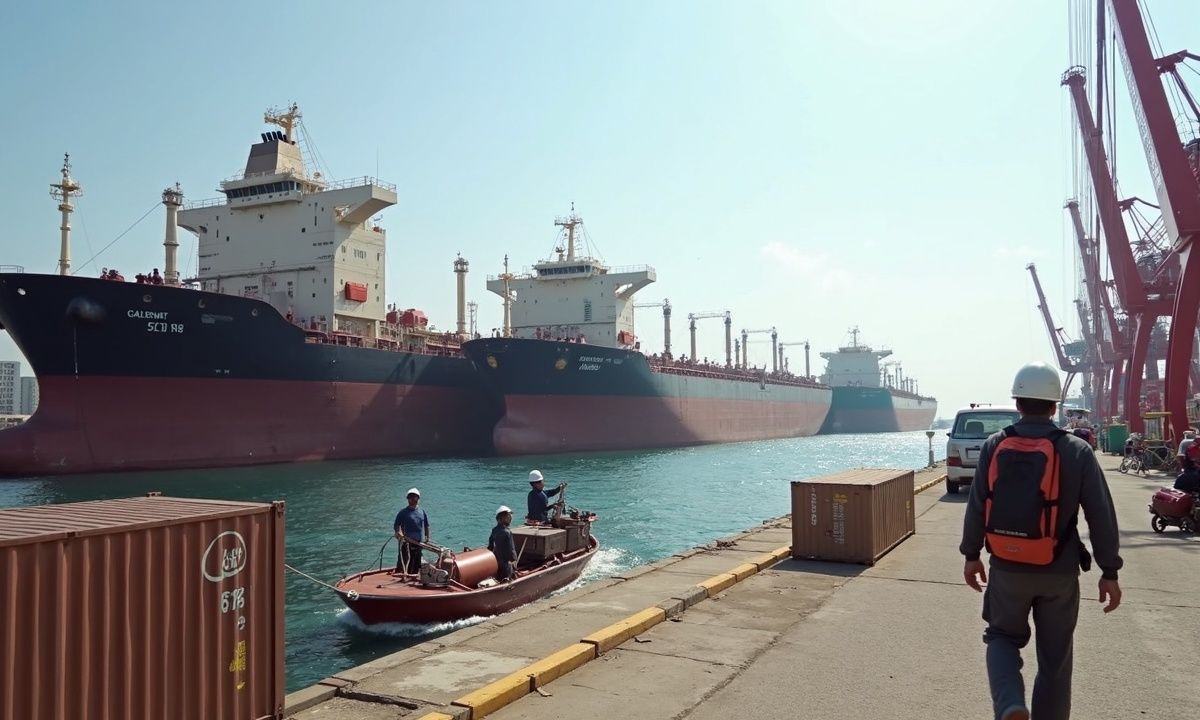
In recent months, tensions surrounding Iran's Kharg Island have grown more pronounced, drawing attention from the global community and igniting discussions about potential military strategies. The United States, in particular, has been scrutinized for its planning and actions in the region. Kharg Island, a crucial oil export hub located in the Persian Gulf, has long been a focal point of geopolitical interests, and any sign of U.S. military engagement raises significant questions about the future of U.S.-Iran relations.
Understanding Kharg Island's Strategic Importance
Kharg Island serves as Iran's primary oil export terminal, playing a vital role in the nation's economy. The island's location offers strategic advantages, allowing for the shipment of oil through the Strait of Hormuz, a narrow passage where a substantial portion of the world's oil supply is transported. As tensions with Iran have escalated, especially in light of its nuclear ambitions and regional influence, the U.S. has kept a close eye on this pivotal area.
The U.S. Military Presence in the Region
The United States maintains a significant military presence in the Persian Gulf as part of its broader strategy to counteract Iranian influence. This includes naval forces that regularly patrol the waters, ensuring the safe passage of commercial ships and oil tankers. The U.S. has also engaged in joint military exercises with regional allies, further underscoring its commitment to maintaining stability in the Gulf.

This military posture is not without controversy. Critics argue that such a presence could provoke unnecessary conflict, while supporters contend that it is essential for safeguarding international trade routes. The delicate balance of power in the region makes any potential U.S. planning in relation to Kharg Island particularly sensitive.
Recent Developments and Speculations
In light of recent events, including Iran's missile tests and provocative actions in the Gulf, discussions around U.S. military options have intensified. Analysts speculate that the U.S. might be reconsidering its approach, potentially planning more aggressive measures aimed at deterring Iranian actions.

Statements from U.S. officials indicate that military options remain on the table. The Biden administration has emphasized diplomatic solutions but is not ruling out the use of force if necessary. Such a stance could lead to increased military readiness, including the possibility of airstrikes on strategic targets in Iran, including facilities on Kharg Island.
The Role of International Alliances
International alliances play a crucial role in shaping U.S. planning regarding Iran. Countries like Saudi Arabia and the United Arab Emirates (UAE) have traditionally supported U.S. efforts in the Gulf, often advocating for a hardline approach against Tehran. These partnerships could influence U.S. decisions, particularly if regional allies express concerns about Iranian actions.
Furthermore, the involvement of NATO allies and other partners could also impact the U.S.'s military calculus. Cooperation with these nations might lead to a more coordinated response to any threats emanating from Iran, thereby altering U.S. planning and strategies in the region.
The Economic Implications of Military Actions
Any military engagement in the Gulf, especially surrounding Kharg Island, could have significant economic repercussions. The global oil market is acutely sensitive to geopolitical tensions. A conflict in this region could lead to skyrocketing oil prices, affecting economies worldwide. The ripple effects would likely be felt across various sectors, from transportation to manufacturing.
For instance, the ongoing conflict in Ukraine has already demonstrated how quickly energy prices can fluctuate in response to geopolitical events. A similar scenario in the Gulf could exacerbate inflationary pressures and disrupt global supply chains. This reality makes U.S. planning around potential military action particularly complex, as economic considerations must be weighed against national security interests.
The Role of Public Sentiment
Public sentiment in the United States also plays a critical role in shaping foreign policy. The American public has historically been wary of military interventions, particularly following the prolonged conflicts in Iraq and Afghanistan. As discussions around potential attacks on Kharg Island surface, U.S. policymakers must consider the potential backlash from constituents.
Polling data often reflects a desire for diplomacy over military action, leading to a cautious approach from leaders. This dynamic might influence U.S. planning, compelling officials to explore alternative strategies that prioritize negotiation and sanctions over direct military engagement.
Looking Ahead: The Future of U.S.-Iran Relations
The future of U.S.-Iran relations remains uncertain, with Kharg Island at the center of ongoing tensions. While military options might be part of U.S. planning, the complexities of international relations, economic implications, and public sentiment will likely steer decision-making processes. As both nations navigate this fraught landscape, the potential for conflict or cooperation remains a pivotal question.
For those interested in broader planning strategies, including how technology can aid in decision-making, consider reading our piece on Free AI Apps That Help You Plan Trips, Meals, and Daily Routines.
Furthermore, the lessons learned from emergency situations, such as the recent Winter storm warning sparks outrage as up to 55 inches of snow could paralyze roads and rail networks and reveal failures in emergency planning, highlight the need for robust contingency strategies in any geopolitical scenario.
As we observe the unfolding situation, one thing is apparent: the stakes are high, and the implications of U.S. planning could resonate far beyond the Persian Gulf, impacting global stability and the economic landscape for years to come.

Comments (0)
No comments yet. Be the first to comment!
Leave a Comment