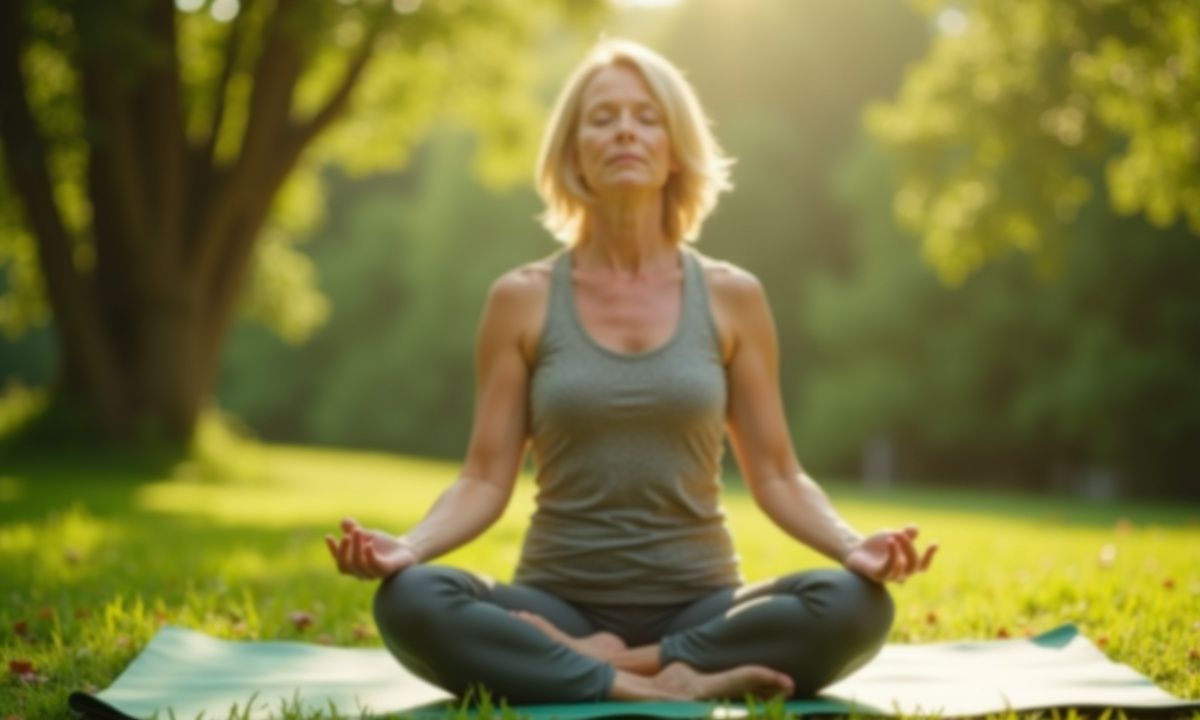
When Hips Feel Stiff: A Common Concern
For many, stiffness in the hips can be a frustrating reality. It often sneaks up during daily routines, whether it's after a long day at the office, a weekend of gardening, or simply from aging. This sensation can interfere with movement, making activities like walking, bending, or even sitting comfortably feel like a challenge. The good news is that there are ways to alleviate this discomfort, and yoga offers a variety of poses that can help restore motion and flexibility.
The Importance of Hip Mobility
Hips play a crucial role in our overall mobility. They connect the lower body to the upper body and support various movements. When hips feel stiff, it can lead to compensatory patterns in the body that may result in discomfort elsewhere, such as in the lower back or knees. Maintaining hip mobility is essential not just for physical health, but also for overall quality of life.
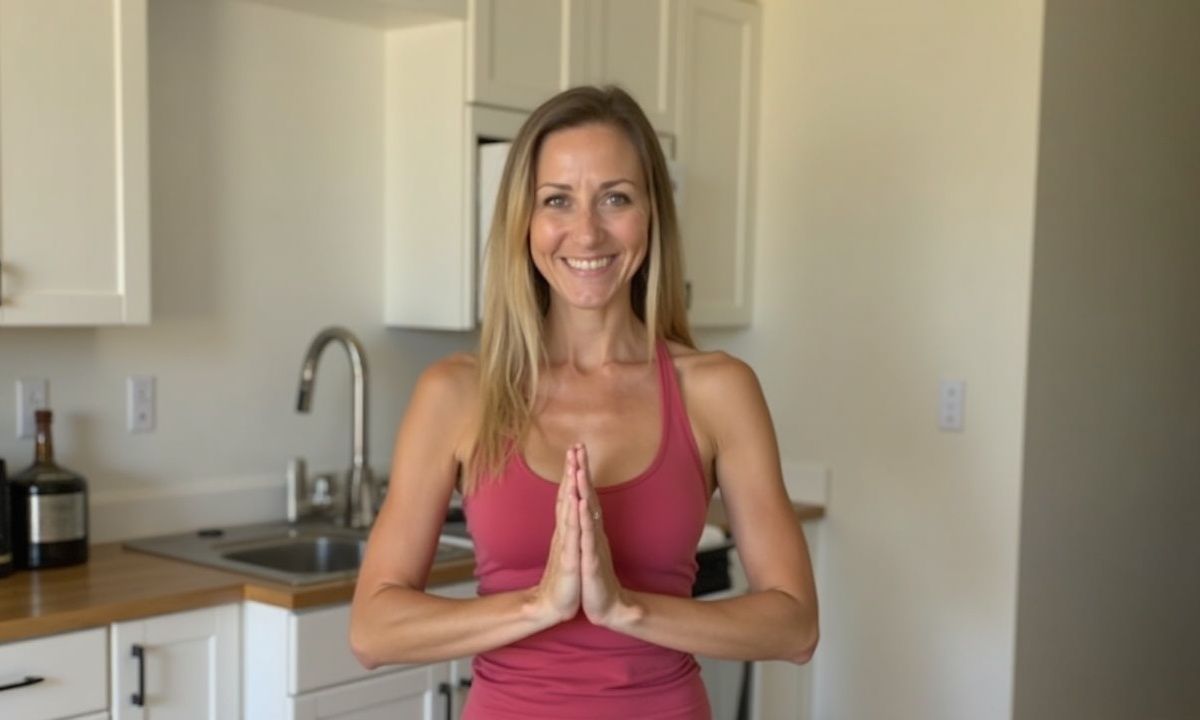
Incorporating yoga into your routine can serve as a gentle yet effective way to improve hip flexibility. Various poses target the hip area, helping to stretch and strengthen the surrounding muscles. Regular practice can lead to improved movement patterns and a reduction in discomfort.
Yoga Poses for Stiff Hips
1. Butterfly Pose (Baddha Konasana)
This pose is a simple yet effective way to open up the hips. Sitting on the floor, bring the soles of your feet together, allowing your knees to fall outward. Hold your feet with your hands and gently press your knees toward the ground. This stretch can help alleviate tightness in the hip flexors and groin area. As you practice, remember to breathe deeply, allowing your body to relax into the pose.
2. Pigeon Pose (Eka Pada Rajakapotasana)
Pigeon Pose is particularly beneficial for targeting tightness in the hips. Start in a tabletop position and bring your right knee forward, placing it behind your right wrist while extending your left leg straight back. This position stretches the hips, glutes, and lower back. To deepen the stretch, you can lean forward, resting your forearms on the ground. It's vital to listen to your body; if you feel pain, ease out of the pose slightly.
3. Lizard Pose (Utthan Pristhasana)
For those looking to challenge their flexibility, Lizard Pose is a fantastic option. From a plank position, step your right foot outside your right hand, allowing your hips to sink toward the ground. Keep your back leg straight. This pose opens the hips, groin, and hamstrings. It may feel intense at first, but it encourages better mobility over time.
4. Reclining Bound Angle Pose (Supta Baddha Konasana)
This restorative pose is excellent for releasing tension in the hips and groin. Lie on your back and bring the soles of your feet together, letting your knees fall outward. You might place pillows or blocks under your knees for added support. This pose allows gravity to help gently open the hips, creating a soothing experience.
Practical Tips for Incorporating Yoga into Your Routine
Integrating yoga into your daily life doesn't require a complete overhaul of your schedule. Start small by dedicating just a few minutes each day to practice. Morning stretches can set a positive tone for your day, while evening sessions may help release the tension built up throughout the day. Consider joining a local class or following online sessions tailored to hip mobility.

Consistency is key. Regular practice can yield significant improvements in flexibility and comfort. For more detailed guidance, you might find our article on Unlock Your Hips: Yoga Poses for Deep Stiffness Relief particularly useful.
Real-World Context: Everyday Impacts of Stiff Hips
Stiff hips can hinder everyday activities. Imagine trying to enjoy an afternoon walk only to be met with discomfort in your joints. Or consider the challenge it poses when attempting to engage in activities with family or friends, such as playing with children or participating in sports. Such limitations can impact mood and overall well-being.
Moreover, the effects of stiff hips might not just be physical. They can lead to frustration, which may affect personal relationships or even professional life. When discomfort becomes a daily concern, it’s easy to fall into a cycle of avoidance, further limiting movement and reinforcing stiffness.
Connecting Mind and Body through Yoga
Yoga is not just about the physical aspect; it also offers mental benefits. The practice encourages mindfulness, helping individuals tune into their bodies and recognize where they hold tension. This awareness can lead to a more compassionate approach to one's health and well-being. Breathing techniques often practiced in yoga can also promote relaxation, reducing stress that may contribute to physical tightness.
Incorporating yoga into your routine can lead to a deeper connection between the mind and body, making it easier to address the causes of stiffness. It encourages a holistic approach, addressing not just the physical stiffness but also the mental patterns that may accompany it.
A Reminder for Self-Care
When hips feel tight, it's a signal to pay attention to your body. Embracing yoga as a form of self-care can provide a pathway to greater mobility and ease. Remember that it's a journey; progress may take time, and that's perfectly okay. Celebrate small victories, whether it's achieving a deeper stretch or simply feeling more comfortable in daily movements.
For those seeking additional insight, consider reading about emotional well-being in our article Heartbreaking: If Someone Continues Doing These 8 Things With You, They Don’t Actually Care. Understanding emotional health can complement your physical practices, creating a more rounded approach to personal wellness.
Final Thoughts on Hip Mobility
When hips feel stiff, it’s an invitation to explore gentle movement through yoga. The practice not only aids in physical flexibility but also fosters a deeper connection with oneself. Whether you are new to yoga or revisiting your practice, remember that every little bit counts. The road to greater mobility starts with the first step—or in this case, the first stretch.
So, roll out your mat, take a deep breath, and allow your body the space it needs to move freely once again.

Comments (0)
No comments yet. Be the first to comment!
Leave a Comment