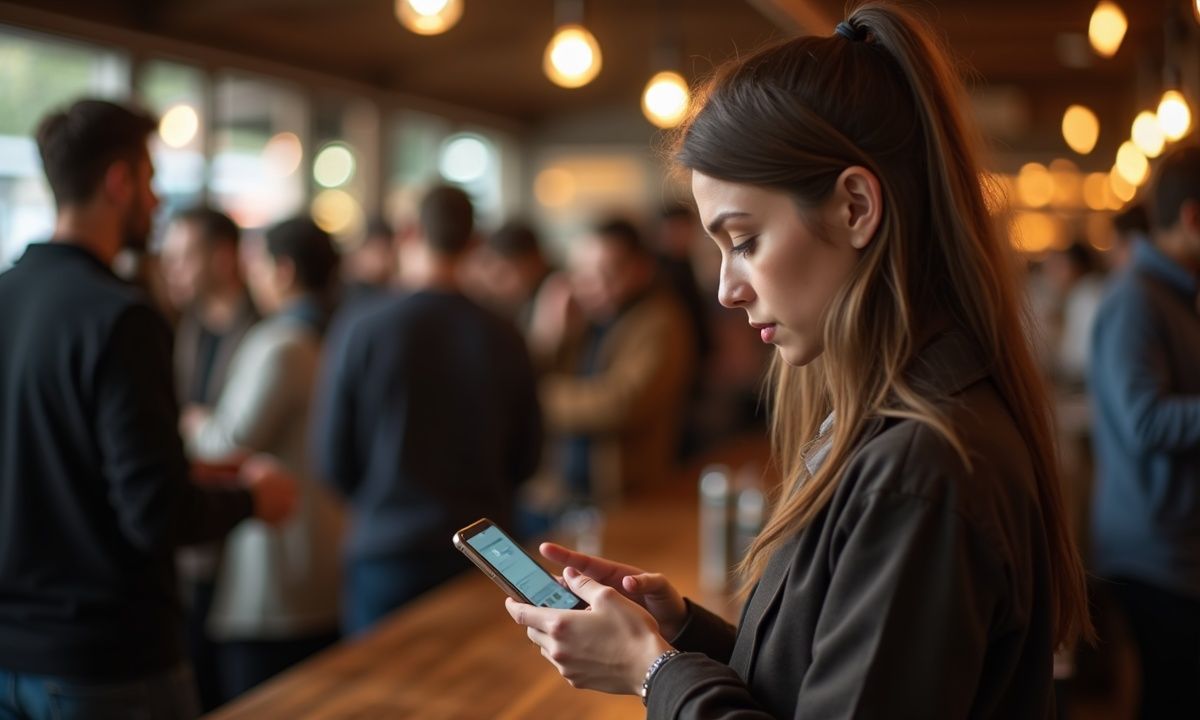
Imagine standing in a crowded coffee shop, a casual environment where conversations flow easily. Yet, for some, the mere act of ordering a drink feels like an insurmountable challenge. Why does social anxiety spike in such simple situations? This question lingers in the minds of many who experience the weight of anxiety during everyday interactions. Therapists and mental health professionals have begun to illuminate the hidden triggers that often fuel this discomfort, revealing a complex interplay of factors that can magnify feelings of inadequacy and fear.
The Nature of Social Anxiety
Social anxiety is more than just shyness; it's a debilitating fear of being judged or scrutinized by others. For those who grapple with this condition, simple tasks such as making small talk or attending gatherings can trigger overwhelming feelings of dread. According to the National Institute of Mental Health, social anxiety disorder affects millions of people, manifesting in various ways, including excessive sweating, trembling, or a racing heart. But what makes these feelings so acute in seemingly innocuous settings?
Therapists have identified several subtle triggers that can spike social anxiety. For one, the pressure to perform can be daunting. In a social setting, individuals may feel an unspoken expectation to engage gracefully, leading to an intense fear of making a mistake. This fear can be compounded by past experiences of embarrassment or rejection, which linger in the psyche, creating a cycle of anxiety.

Another contributing factor is the phenomenon of negative self-talk. Individuals with social anxiety often have an internal dialogue that is harsh and critical. Thoughts like "I will embarrass myself," or "Everyone will judge me" can spiral into a paralyzing fear of social interactions. This self-imposed pressure can be especially evident in one-on-one situations, where the focus is entirely on the individual, amplifying the fear of judgment.
Social Media and Its Impact
In an age where social media dominates communication, the effects of digital interactions cannot be overlooked. Constant exposure to curated images and highlights of others' lives can exacerbate feelings of inadequacy. Individuals may compare themselves to others, believing they fall short in social skills or charisma. This comparison can lead to a heightened sense of anxiety in real-life interactions, as they feel the weight of unrealistic standards. The disconnect between online personas and real-life interactions can leave individuals feeling even more isolated.
Coping Mechanisms: Finding Grounding Techniques
While the triggers of social anxiety can be complex, there are practical strategies individuals can adopt to manage their feelings. Grounding techniques, such as deep breathing or mindfulness exercises, can help to alleviate immediate feelings of panic. For instance, before entering a social situation, taking a few moments to focus on one's breath can create a sense of calm. Therapists often encourage individuals to practice these techniques regularly to build resilience.

Engaging in small, manageable social interactions can also serve as a form of exposure therapy. Starting with brief conversations with acquaintances or participating in low-pressure group activities can gradually desensitize individuals to their fears. Over time, these small successes can help build confidence and reduce anxiety in larger social scenarios.
The Role of Professional Support
For many, the journey through social anxiety can be overwhelming, and seeking professional help can be a vital step. Therapists often employ cognitive-behavioral therapy (CBT) to address the underlying thought patterns that contribute to anxiety. Through CBT, individuals learn to challenge negative thoughts and replace them with more constructive beliefs, paving the way for healthier interactions.
Support groups can also provide a safe space for sharing experiences and coping strategies. Connecting with others who understand the struggle can foster a sense of community and belonging. For those interested in exploring this avenue, resources such as the Anxiety and Depression Association of America offer valuable insights.
Recognizing the Signs
Understanding the signs of social anxiety is crucial for both individuals and their loved ones. Symptoms can range from physical manifestations, such as sweating and shaking, to emotional distress, including feelings of dread or panic. Recognizing these signs can lead to a more empathetic response and better support from friends and family. In this context, having open conversations about mental health can normalize experiences and reduce stigma.
For more details, read our article on Why loneliness can strike even in a crowd, according to therapy research. This piece delves into how social environments may not always provide the connection we seek.
Finding Your Path Forward
Social anxiety can feel isolating, but it’s a shared experience for many. Understanding why social anxiety spikes in simple situations can help individuals reclaim their power in social settings. By recognizing triggers and implementing coping strategies, one can gradually shift the narrative of fear into a narrative of empowerment. Therapy, self-help techniques, and community support all play crucial roles in this journey.
Ultimately, the path to overcoming social anxiety is not linear, but each step taken toward understanding and managing these feelings is a step toward greater freedom. The journey may take time, but with persistence and support, individuals can learn to navigate social situations with greater ease.
As society continues to evolve, fostering discussions around mental health will remain vital. By sharing experiences and strategies, we can collectively dismantle the stigma surrounding social anxiety, creating a more understanding and supportive community.

Comments (0)
No comments yet. Be the first to comment!
Leave a Comment