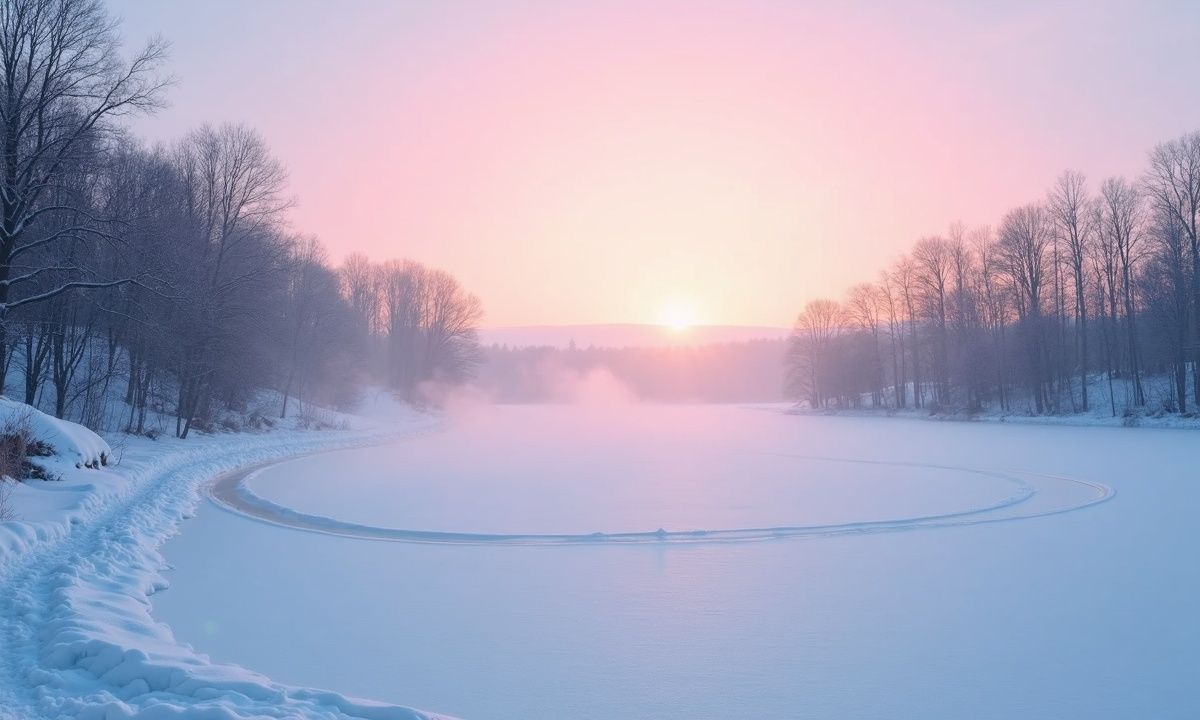
A Rare Polar Vortex Anomaly Approaches
As winter settles in across the Northern Hemisphere, a rare polar vortex anomaly is on the horizon, capturing the attention of meteorologists and climatologists alike. This unusual phenomenon, characterized by its speed and structure, is already challenging decades of winter climate records. The impending shifts in weather patterns could have significant implications for millions, from severe cold snaps to unexpected precipitation.
Understanding the Polar Vortex
The polar vortex refers to a large area of low pressure and cold air surrounding the Earth's poles. While it typically remains stable during the winter months, it can occasionally become disrupted, leading to drastic changes in weather patterns. When this occurs, cold Arctic air can plunge southward, affecting regions far from the poles. This is where anomalies can become particularly concerning.

Recent forecasts indicate that the polar vortex is not only weakening but also splitting. This split can result in two distinct cold air masses, one of which may push down into the continental United States, while the other hovers over Canada and parts of Europe. Such a scenario raises the stakes for winter weather events, as regions unaccustomed to extreme cold could experience sudden and severe drops in temperature.
Historical Context and Recent Trends
Historically, polar vortex disruptions have led to some of the coldest winters on record. For instance, the winter of 2014 saw the polar vortex split, resulting in plummeting temperatures across much of the Midwest and East Coast of the United States. This year, however, forecasters are noting that the speed at which this anomaly is expected to move is unprecedented.
The speed of the polar vortex anomaly is raising alarms among climate scientists. According to the National Oceanic and Atmospheric Administration (NOAA), such rapid movements may not only lead to immediate cold snaps but also longer-term alterations in climatic patterns. Unusual shifts in jet stream behavior could lead to an increase in erratic weather, making it harder for communities to prepare.
The Impact on Daily Life
As this rare polar vortex anomaly approaches, its implications extend beyond mere temperature drops. For daily life, this could mean increased energy costs as heating systems work overtime to combat the chill. Residents in affected areas may also face challenges such as icy roads and dangerous travel conditions. Businesses, especially those reliant on outdoor activities or agriculture, may find themselves grappling with the consequences of an unexpected cold snap.
For example, farmers could experience crop damage if temperatures dip significantly below freezing, especially in regions where crops are still vulnerable. Meanwhile, utility companies might see an uptick in demand for heating, potentially leading to strain on resources. Communities must prepare for these potential challenges, which can disrupt everyday life.
Comparative Weather Patterns
In many ways, the current polar vortex anomaly mirrors past events, yet it also stands out due to its unique characteristics. The 2019-2020 winter provided a stark example of how rapidly changing weather patterns can affect regions differently. Some areas experienced unseasonably warm temperatures, while others faced relentless cold and snow. This year, the forecast suggests an even more dramatic division between regions.
Weather experts have noted that a shift in the polar vortex can lead to the so-called “Arctic Oscillation,” which also plays a role in determining who gets the cold air and who remains relatively warm. The interaction between the polar vortex and the Arctic Oscillation could lead to a rollercoaster of temperatures across North America and Europe, keeping residents guessing about what the next week may bring.
Long-term Implications for Climate Change
This rare polar vortex could also serve as a case study in the ongoing discussion about climate change. Many scientists are looking closely at how global warming may be influencing the behavior of polar vortices. While the exact relationship is still a subject of research, some studies suggest that warming temperatures in the Arctic could be destabilizing the polar vortex, leading to more frequent and severe anomalies. These findings challenge our understanding of how climate patterns will evolve in the coming decades.
As we analyze the effects of this anomaly, it is crucial to consider the broader implications of our changing climate. Increased occurrences of extreme weather events not only affect the environment but also have economic consequences, particularly for vulnerable communities. The lessons learned from this rare polar vortex may inform future policies and preparedness strategies.
Preparing for the Unpredictable
Communities and individuals alike must be proactive in their approach to the upcoming winter. Preparation can make a significant difference in mitigating the effects of extreme weather. Residents should ensure their homes are winter-ready, with proper insulation and heating systems functioning efficiently. Additionally, staying informed through reliable weather updates can empower people to make decisions about travel or outdoor plans.
On a larger scale, municipalities are encouraged to develop contingency plans that address sudden changes in weather. This may include ensuring that emergency services are equipped to handle increased demands during cold snaps. For more details on the polar vortex and its potential impact, read our article on A rare polar vortex anomaly is approaching, and forecasters warn its speed and structure challenge decades of winter climate records.
Conclusion
The arrival of a rare polar vortex anomaly is not just another winter weather forecast; it is a reminder of the complex and often unpredictable nature of our climate. As the anomaly approaches, both individuals and communities must stay vigilant and prepared for the potential impacts. With the right strategies in place, we can navigate this unusual winter and its challenges, always keeping an eye on what future winters may hold.

Comments (0)
No comments yet. Be the first to comment!
Leave a Comment