
As technology continues to advance at a rapid pace, it is not uncommon to find ourselves surrounded by applications that seemingly understand our needs before we even express them. The rise of AI-native software is reshaping how we interact with our devices and each other. By 2026, the landscape of app development will look remarkably different as software becomes inherently designed with artificial intelligence at its core. This shift is more than just a trend; it represents a fundamental change in the way applications are conceived, built, and utilized.
Understanding AI-Native Software
What does it mean for software to be AI-native? At its essence, AI-native software is developed with artificial intelligence as an integral component rather than as an add-on feature. This means that the application is built from the ground up to utilize machine learning, natural language processing, and other AI techniques to enhance user experience and functionality. For developers, this approach requires a different mindset and skill set, focusing on creating algorithms and user interfaces that can learn and adapt over time.
The Shift in Development Practices
Traditionally, software development involved a linear process: planning, coding, testing, and deployment. However, with AI-native applications, developers are adopting agile methodologies that emphasize iterative improvement. This allows for rapid adjustments based on user interactions. For instance, an app designed for personal finance management can analyze spending patterns and offer tailored advice, continually refining its suggestions based on user feedback.

In practice, this means that developers need to integrate data collection and analysis into the early stages of app design. Consider a fitness application that tracks workouts and nutrition. Instead of merely logging data, the app now uses AI to assess performance trends and provide personalized workout recommendations, pushing users toward their goals more effectively.
Real-World Applications of AI-Native Software
The implications of AI-native software touch various industries, from healthcare to entertainment. In healthcare, AI-native applications are being utilized to monitor patient conditions in real-time, alerting healthcare providers to potential issues before they escalate. Such applications analyze vast amounts of data from wearable devices and electronic health records, providing insights that were previously unattainable.
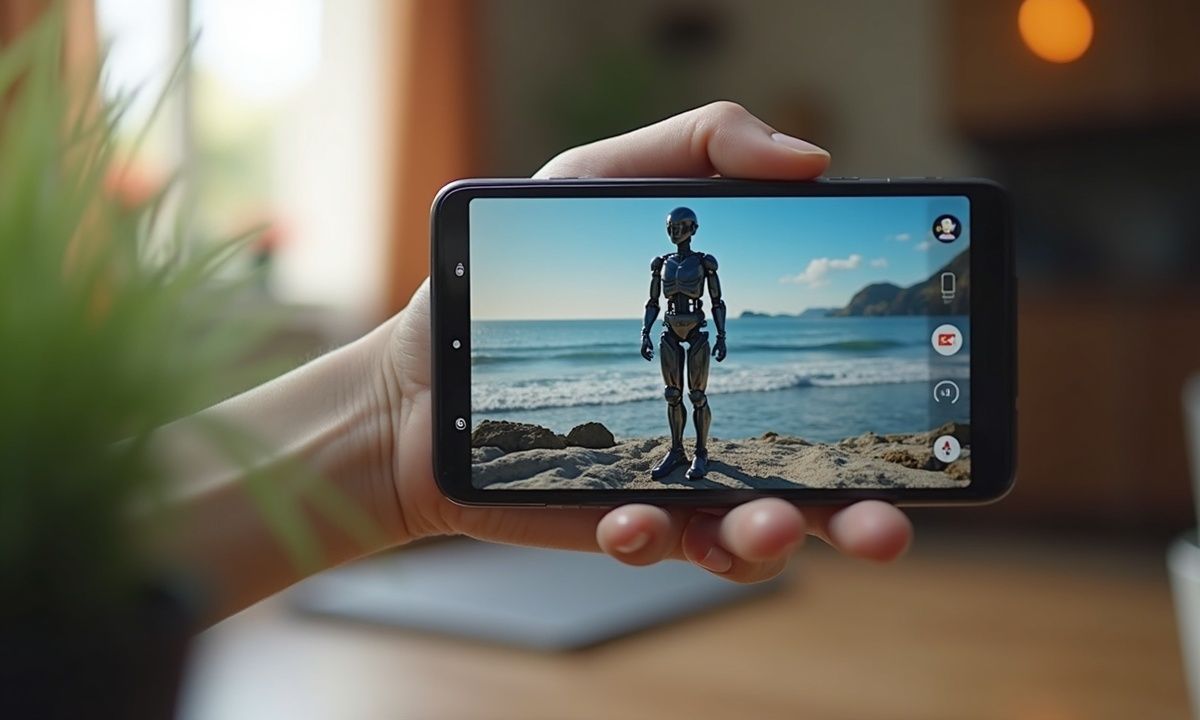
For example, IBM Watson Health harnesses AI to analyze data from clinical trials and medical literature, assisting doctors in making informed decisions about patient care. This capability was highlighted in a case study where Watson was able to recommend treatment options for cancer patients that were more effective than standard protocols, illustrating the potential of AI-native software to transform patient outcomes.
In the Entertainment Sector
Streaming platforms also exemplify the rise of AI-native applications. Companies like Netflix and Spotify utilize AI algorithms to curate personalized content recommendations, analyzing user behavior to predict what viewers or listeners might enjoy next. This not only enhances user engagement but also drives content consumption, creating a more tailored experience.
Furthermore, AI-native software is being used to create content itself. For instance, platforms like OpenAI’s ChatGPT are being integrated into creative processes, allowing filmmakers and writers to generate ideas, scripts, and dialogues based on user inputs. This collaborative approach is altering the creative landscape, enabling artists to brainstorm with AI and refine their concepts.
The Ethical Considerations
As we navigate this new territory, ethical considerations surrounding AI-native software become increasingly important. Issues such as data privacy, algorithmic bias, and the potential for misuse of AI technologies need to be addressed proactively. Developing frameworks and guidelines for ethical AI use is essential to ensure that these technologies benefit society as a whole.
For example, the European Union has proposed regulations aimed at ensuring AI systems are transparent and accountable. These regulations highlight the necessity of establishing clear standards for AI, particularly in sensitive areas like healthcare and law enforcement, where the implications of biased algorithms can have dire consequences.
User Trust and Transparency
Building user trust is crucial for the widespread adoption of AI-native applications. Users must feel confident that their data is being handled responsibly and that the algorithms making decisions on their behalf are fair and transparent. Companies that prioritize transparency in their AI processes can foster stronger relationships with their users, leading to greater loyalty and engagement.
To illustrate, consider how companies like Apple have focused on privacy as a key feature of their products. By emphasizing data protection and user control, they have positioned themselves favorably in a market increasingly concerned with privacy issues.
The Future of AI-Native Software
Looking ahead to 2026 and beyond, the development of AI-native software will likely continue to evolve rapidly. With advancements in AI technology, applications will become even more adept at understanding and anticipating user needs. The integration of AI into everyday tools will create a more intuitive digital environment, where applications feel like extensions of ourselves rather than separate tools.
Moreover, as AI technologies mature, we may see a shift in the workforce. The demand for professionals skilled in AI development, data science, and machine learning will grow, transforming educational landscapes and career paths. Universities and training programs will need to adapt to prepare the next generation for this AI-centric world.
Collaboration Between Humans and AI
One of the most exciting prospects of AI-native software is the potential for collaboration between humans and machines. Rather than viewing AI as a replacement for human effort, it can be seen as an augmentation, enhancing our capabilities and allowing us to focus on more complex tasks. This collaborative approach could lead to increased productivity and creativity across various sectors.
For example, in the field of scientific research, AI can assist researchers in sifting through vast amounts of data to identify patterns and generate hypotheses, while human intuition and expertise guide the direction of the research. This symbiotic relationship can lead to breakthroughs that neither could achieve alone.
A New Dawn for Applications
As we approach 2026, the landscape of app development is poised for significant change. The rise of AI-native software signifies a shift towards applications that not only respond to user needs but also anticipate them. This evolution will require developers, companies, and users alike to adapt to new ways of thinking about technology and its role in our lives. The future is not just about smarter apps; it’s about creating a more integrated and responsive digital experience that feels genuinely human.
In the coming years, as AI continues to weave itself into the fabric of software development, we can expect applications to become more personalized, more intuitive, and ultimately more aligned with our daily lives. This journey into an AI-native future is just beginning, and it holds the promise of a more connected, understanding, and responsive technological landscape.
Sources

Comments (0)
No comments yet. Be the first to comment!
Leave a Comment