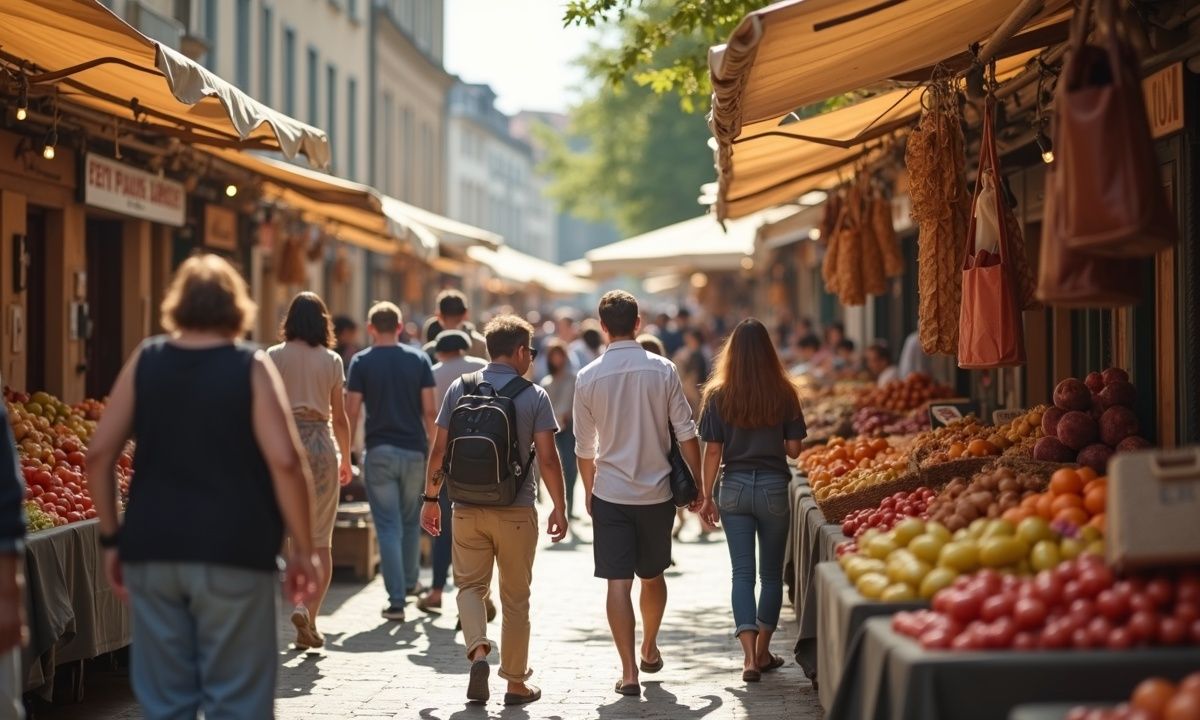
In the heart of France, a remarkable social experiment is unfolding, driven by the principle of equity encapsulated in the phrase “Chacun paie en fonction de ses moyens.” This idea, meaning "everyone pays according to their means," has taken root in various markets across the country, igniting a wave of solidarity among communities. As rising living costs press heavily on many families, this approach is not just a theoretical discussion but a practical reality that is reshaping local economies and fostering a sense of belonging and mutual support.
The Spirit of Community Support
Imagine walking through a local market where every stall holder and shopper operates under the same ethos: affordability and accessibility for all. This is happening in many neighborhoods, where local bakeries, butchers, and grocery stores are adopting pricing strategies that reflect the community’s diverse economic landscape. The initiative invites customers to pay what they can afford, ensuring that no one is excluded from essential goods based on their financial capacity.

Such practices are evident in initiatives like "pay what you can" cafés, which have popped up in various cities. These establishments not only serve food but also foster a culture of compassion and understanding. Customers can pay a set price or contribute whatever they feel is appropriate for their meal. This model has seen success in towns such as Lille and Paris, where local residents actively engage in supporting one another. The café becomes a hub for conversation and connection, breaking down barriers between different socio-economic groups.
Real-World Examples of Solidarity
One striking example can be found in a local bakery in the south of France. The owner, facing the challenge of rising flour prices, decided to implement a sliding scale for bread. Patrons are encouraged to pay a minimum price that covers costs, but they can also pay more if they are able. This not only helps the bakery remain viable but also allows customers to feel they are contributing to their community. In turn, those who are struggling can still access fresh bread daily, reinforcing the idea that everyone deserves basic necessities.

Moreover, the concept extends beyond food. In various neighborhoods, clothing exchanges and community markets have emerged, allowing individuals to swap items rather than purchase them outright. These events not only promote sustainability but also build a network of mutual aid. Organizations like Oxfam have highlighted how such community-driven initiatives can combat poverty and foster resilience.
Financial Literacy and Empowerment
Integral to the success of this model is financial literacy. Community workshops often accompany these markets, aiming to educate residents about budgeting and financial management. By empowering individuals with knowledge, they can make informed choices about their spending and understand the broader implications of their economic activities. Programs offered by local nonprofits and organizations like UNICEF emphasize the importance of equipping communities with the tools they need to thrive.
The workshops often feature local experts discussing topics such as savings, investment, and the benefits of supporting local businesses. By fostering a culture of learning and sharing, communities are not just surviving but are also thriving together. The collaborative spirit that emerges from these interactions helps to build trust among residents, creating a safety net that many may not have experienced before.
Challenges and Considerations
However, this approach is not without its challenges. Some skeptics argue that relying on goodwill may not be sustainable in the long term. Questions arise about how to maintain quality and fairness in pricing while ensuring that business owners can cover their costs. Additionally, there is a need for transparency in how funds are allocated within these community initiatives to prevent potential exploitation or mismanagement.
Local governments and organizations are beginning to recognize the importance of supporting these initiatives. Grants and subsidies aimed at community-driven markets can provide a safety net, allowing them to flourish. Collaborative efforts between local businesses and municipalities can help establish guidelines that ensure fairness while fostering a spirit of cooperation. Advocacy groups often push for policies that recognize the value of such community-oriented economic models, further legitimizing their efforts.
The Broader Impact on Society
The implications of “Chacun paie en fonction de ses moyens” extend far beyond individual transactions. This movement encourages a rethinking of how we perceive wealth and poverty. It challenges the notion that economic success is solely defined by financial gain, shifting the focus toward community well-being and interconnectedness. As these practices gain traction, they serve as a model for other regions, encouraging a cultural shift that prioritizes solidarity and support.
In a world increasingly marked by division and economic disparity, this local approach to commerce represents a hopeful alternative. It nurtures a sense of belonging and shared responsibility, reminding us that economic systems can be designed to serve people rather than the other way around. Initiatives that embody this spirit are not just about transactions; they are about weaving a social fabric that holds communities together, ensuring that everyone has a seat at the table.
Looking Ahead
As we observe the unfolding of this movement across France, one cannot help but feel a sense of optimism. It is a reminder that communities can take charge of their economic destinies and reshape their environments. By supporting one another, they create a vibrant tapestry of shared experiences and resources. The idea that “Chacun paie en fonction de ses moyens” is not just a principle but a way of life that encourages empathy and understanding in a world that often feels fragmented.
In these challenging times, the continued success of such initiatives will depend on the collective efforts of individuals, businesses, and organizations. By fostering an environment where everyone contributes according to their means, we can build a future that is more equitable, compassionate, and resilient.

Comments (0)
No comments yet. Be the first to comment!
Leave a Comment