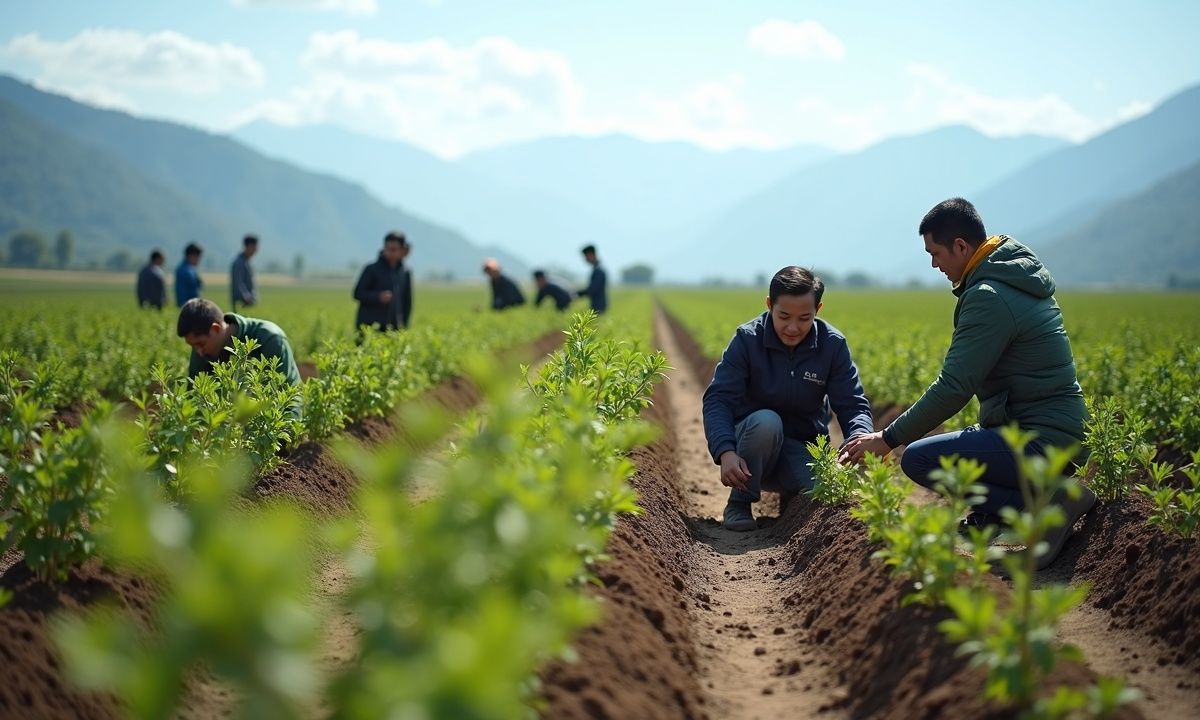
China’s Ambitious Tree Planting Initiative
In a sweeping effort to combat environmental degradation, China has undertaken an initiative to plant 1 billion trees. This ambitious program is part of a broader strategy to counteract the effects of climate change, deforestation, and urbanization. As the world's most populous nation grapples with severe air pollution and desertification, the stakes are undeniably high. Yet, while this ecological endeavor appears commendable at first glance, scrutiny reveals a more complex narrative that warrants examination.
The Scale and Impact of Tree Planting
The scale of China’s tree planting efforts is astonishing. Over the past several decades, the country has prioritized reforestation, resulting in vast forest areas that were once barren. The initiative aims not only to mitigate carbon emissions but also to improve air quality and restore biodiversity. According to the United Nations, forests play a crucial role in carbon sequestration, and China’s actions contribute significantly to global efforts in this regard.

Communities across the nation have rallied around these projects, with local governments often incentivizing participation among citizens. This grassroots involvement has fostered a sense of collective responsibility towards environmental stewardship. However, the ambitious nature of this initiative also raises questions about sustainability and ecological balance.
Critics Raise Concerns

Moreover, the use of chemical fertilizers and pesticides in these large-scale projects may further exacerbate environmental issues. These substances can leach into nearby water sources, affecting aquatic life and human health. The balance between human intervention and natural processes is delicate, and missteps can lead to long-term ecological harm.
Lessons from Other Countries
Looking at global examples, it becomes clear that tree planting is not a one-size-fits-all solution. Countries like India have also launched extensive reforestation initiatives, with varying degrees of success. In 2019, India set a world record by planting 66 million trees in a single day, yet faced similar criticisms regarding species diversity and sustainability. These experiences highlight the need for a nuanced approach to reforestation that considers local ecosystems and community needs.
For instance, indigenous practices often emphasize planting native species that naturally thrive in local environments. This practice not only supports biodiversity but also enhances the resilience of ecosystems to climate change. Countries that have successfully integrated local knowledge into their reforestation efforts—such as Peru—serve as valuable case studies for China and others embarking on similar journeys.
The Role of Technology
Technology also plays a pivotal role in modern reforestation efforts. Innovations such as drone-assisted planting and satellite monitoring can help ensure that trees are planted in optimal locations and conditions. These advancements allow for better tracking of growth and health, enabling more informed management decisions. As China pushes forward with its initiative, investing in technology could improve the efficacy and sustainability of its tree planting efforts.
Public Perception and Participation
The success of any environmental initiative hinges on public perception and participation. In China, the government has actively promoted the tree planting campaign through education and awareness campaigns. Citizens are encouraged to take part in local projects, which fosters a sense of ownership and responsibility towards the environment. However, skepticism remains among some communities, particularly regarding the government’s transparency and the long-term viability of these initiatives.
Reports of projects that have failed to thrive or have been abandoned after initial enthusiasm can erode trust. Sustainable reforestation requires ongoing commitment, not just from the government but also from local communities. Ensuring that these projects are integrated into broader environmental policies will be crucial for their long-term success.
Future Implications
The implications of China's tree planting initiative extend beyond national borders. As one of the largest contributors to global carbon emissions, the country’s efforts could have significant impacts on international climate agreements. If successful, this initiative could serve as a model for other nations grappling with similar environmental challenges.
However, the potential for a “silent environmental time bomb” looms large. Experts caution that without careful planning and consideration of ecological impacts, the very efforts intended to heal the environment could instead lead to more harm. Balancing immediate gains with long-term sustainability is essential for any environmental initiative to be deemed successful.
Conclusion
As China continues its journey to plant 1 billion trees, the world watches closely. The initiative represents a significant commitment to combatting climate change, yet it also serves as a reminder of the complexities inherent in large-scale environmental projects. The need for a balanced approach that prioritizes biodiversity, community involvement, and sustainable practices cannot be overstated. Future generations will be the true judges of whether this undertaking was a step towards healing our planet or a misstep into unforeseen ecological challenges.
For those interested in the delicate balance between gardening and local wildlife, consider reading about plants that attract snakes or the effectiveness of hanging bottles with water and vinegar as pest deterrents. These insights can offer practical lessons as we navigate the intricate relationship between nature and our efforts to nurture it.
Potential Benefits of the Initiative
While critics raise valid concerns about China’s tree planting initiative, it is essential to acknowledge the potential benefits that could arise from such a monumental undertaking. One of the most significant advantages is the creation of new green jobs. As China plants 1 billion trees, there will be a growing demand for labor in nurseries, planting, and ongoing maintenance. This could lead to improved livelihoods for many individuals in rural areas, contributing to economic development.
Additionally, the initiative could enhance public health outcomes. Trees play a vital role in filtering air pollutants, which is particularly crucial for a country like China, where air quality issues are pervasive. By improving air quality, the tree planting initiative could reduce healthcare costs associated with respiratory diseases and contribute to a healthier population overall.
Economic Growth Through Eco-Tourism
Another noteworthy aspect is the potential boost to eco-tourism. As forest areas expand, they can attract tourists interested in nature, wildlife, and outdoor activities. This could provide a significant economic influx to local communities while promoting conservation and awareness of environmental issues. In regions where tree planting has successfully restored ecosystems, eco-tourism has generated substantial revenue and employment opportunities.
The Importance of Education and Awareness
Education and awareness play critical roles in the success of China's tree planting initiative. Engaging schools and universities can foster a culture of environmental stewardship among the younger generation. Programs that educate students about the importance of trees, biodiversity, and climate change can cultivate an informed citizenry that values and participates in ecological efforts. By integrating environmental education into the curriculum, China can ensure that future generations are equipped to continue the fight against climate change.
Exploring the Role of Policy and Governance
The effectiveness of the tree planting initiative also hinges on supportive policies and governance. The Chinese government has made significant strides in environmental policy; however, the implementation of these policies must be robust and transparent. Establishing clear guidelines for tree planting, maintenance, and monitoring can help ensure that the initiative does not devolve into mere tokenism. This requires a commitment to long-term environmental goals rather than short-term political gains.
Furthermore, involving local communities in decision-making processes can enhance the efficacy of these policies. When communities have a say in how and where trees are planted, they are more likely to take ownership of these projects and ensure their sustainability. This participatory approach can also foster better relationships between the government and citizens, building trust and collaboration.
Long-Term Sustainability and Adaptive Management
To mitigate the risk of the “silent environmental time bomb,” adaptive management strategies must be employed. This approach involves continuously monitoring the ecological impacts of tree planting and adjusting practices based on observed outcomes. For example, if a particular species is found to be detrimental to local biodiversity, policies can be revised to favor more suitable native species. Incorporating scientific research and environmental assessments will be crucial in making informed decisions that promote both tree growth and ecosystem health.
Additionally, fostering partnerships with environmental organizations and research institutions can provide the necessary expertise for effective management. Collaborating with experts can help identify best practices in reforestation and ensure that projects align with broader ecological goals. By prioritizing adaptive management, China can navigate the complexities of large-scale tree planting and work towards sustainable solutions.
The Global Perspective on Reforestation
China’s initiative is part of a larger global movement towards reforestation, with many countries recognizing the critical role that trees play in combating climate change. The international community is watching closely, and there is an opportunity for China to lead by example. By sharing lessons learned from its experiences—both successes and challenges—China can contribute to the global dialogue on sustainable forestry practices.
Moreover, as nations work towards the United Nations Sustainable Development Goals, China’s commitment to planting 1 billion trees can serve as an inspiring model. Collaborative efforts, such as international tree planting days or global reforestation campaigns, can foster a sense of solidarity among nations tackling similar issues. By promoting a collective approach, the fight against climate change can become a shared responsibility, enhancing the effectiveness of reforestation efforts worldwide.

Comments (0)
No comments yet. Be the first to comment!
Leave a Comment