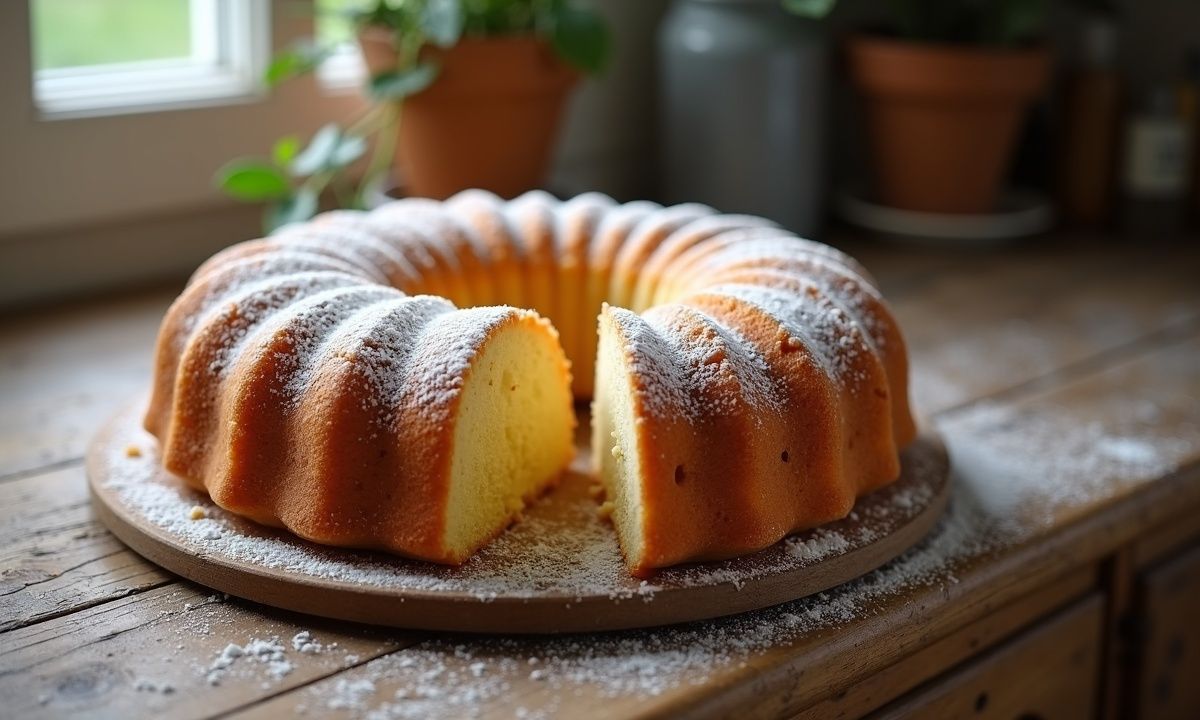
There's a certain magic that happens in the kitchen when the aroma of freshly baked goods wafts through the air. It evokes memories of gatherings, celebrations, and moments of comfort shared over a slice of cake. Yet, as I navigated through various recipes in search of the perfect cake, I found myself at a crossroads. Je ne fais plus jamais de gâteaux avec de la farine, since discovering a recipe that replaces traditional flour with an ingredient that offers an ultra-fondante texture. This little twist has not only changed my baking but has also sparked a curiosity that I believe many will appreciate.
The Shift Away from Traditional Flour
For years, flour has been the cornerstone of baking. It forms the structure of cakes, muffins, and cookies. However, as dietary preferences evolve, so do our ingredient choices. The advent of gluten-free diets and the rise of alternative flours have prompted many home bakers to rethink their approaches. The recipe that caught my attention uses almond flour, a nut-based alternative that yields a remarkably moist and tender cake.

Almond flour is not just a substitute; it brings a distinctive flavor and texture that can elevate a simple cake into something truly delightful. It’s naturally gluten-free, which makes it suitable for those with gluten sensitivities. Moreover, its higher fat content compared to regular flour contributes to that ultra-fondante quality we crave in desserts. With this ingredient, the possibilities feel endless, from rich chocolate cakes to light sponge cakes.
The Recipe That Changed Everything
Let’s dive into the recipe that has redefined my baking experience. It’s simple, yet it yields results that are anything but ordinary. To make this almond flour cake, you will need:

- 2 cups of almond flour
- 1 cup of sugar
- 4 large eggs
- 1/2 cup of unsalted butter, melted
- 1 teaspoon of vanilla extract
- 1/2 teaspoon of baking powder
- A pinch of salt
Start by preheating your oven to 350°F (175°C) and greasing a round cake pan. In a large bowl, whisk together the almond flour, sugar, baking powder, and salt. In another bowl, beat the eggs, then add the melted butter and vanilla. Combine the wet and dry ingredients, mixing until just blended. Pour the batter into the prepared pan and bake for about 30 minutes, or until a toothpick inserted in the center comes out clean. Allow it to cool before serving.
This cake is incredibly versatile. You can serve it plain, dusted with powdered sugar, or topped with fresh fruits like berries. Pair it with a dollop of whipped cream or a scoop of ice cream for an indulgent treat. The beauty of this recipe lies in its simplicity and the ability to adapt it to your taste preferences.
Real-World Reflections on Baking Trends
As I reflect on the shift in baking preferences, it’s fascinating to see how food trends are influenced by health and lifestyle choices. More people are becoming conscious of what they consume, leading to a rise in recipes that prioritize wholesome ingredients. Options like almond flour are not just for those with dietary restrictions; they appeal to anyone looking to enjoy a delicious cake without compromising on flavor or texture.
Moreover, the rise of social media platforms has amplified this trend. Home bakers share their creations, and viral recipes encourage experimentation. Many are inspired to try new ingredients that they may not have considered before. This community-driven approach to baking fosters a spirit of creativity and innovation.
For those still hesitant about venturing into alternative baking, consider starting small. One way to ease into it is by substituting a portion of the flour in your favorite recipes with almond flour. This allows you to experience the difference without completely overhauling your baking style. You may find that the results surprise you.
Baking Beyond the Cake
The beauty of almond flour extends beyond cakes. It can be used in cookies, pancakes, and even savory dishes. For instance, almond flour can serve as a base for a low-carb pizza crust or as a coating for chicken tenders, providing a crunchy texture without the carbs associated with traditional breading.
Furthermore, the health benefits of almond flour cannot be overlooked. It is rich in protein, healthy fats, and vitamin E, making it a nutritious addition to your diet. As we seek to incorporate healthier options into our meals, almond flour proves to be a worthy candidate.
Practical Tips for Baking with Almond Flour
While baking with almond flour can be liberating, it does come with its own set of challenges. Here are some practical tips to ensure your baking experience is successful:
- Measure Properly: Almond flour is denser than regular flour, so it’s vital to measure accurately. Using a kitchen scale can help achieve consistent results.
- Mixing Technique: Overmixing can lead to a dense texture, so mix just until combined.
- Storage: Store almond flour in an airtight container in the refrigerator to maintain freshness.
For those looking for more insights into shopping wisely while baking, check out our article on L'astuce des écouteurs : comment bloquer la musique du supermarché vous fait économiser 20 %. It’s remarkable how little changes can lead to better experiences in the kitchen and beyond.
Looking Ahead: The Future of Baking
The baking landscape continues to evolve, and it’s exhilarating to think about what lies ahead. With an increasing number of people experimenting with alternative ingredients, the focus on health-conscious baking will likely grow. We may see even more innovations that cater to diverse dietary needs while satisfying our sweet cravings.
As for me, je ne fais plus jamais de gâteaux avec de la farine. This simple switch has not only changed my approach to baking but has also opened up a world of flavors and textures that I had not fully appreciated before. The joy of baking should always be about creativity and exploration, and with alternatives like almond flour, that spirit can thrive.
So, whether you’re a seasoned baker or a novice, consider taking the plunge into the world of alternative flours. Your taste buds may just thank you.

Comments (0)
No comments yet. Be the first to comment!
Leave a Comment