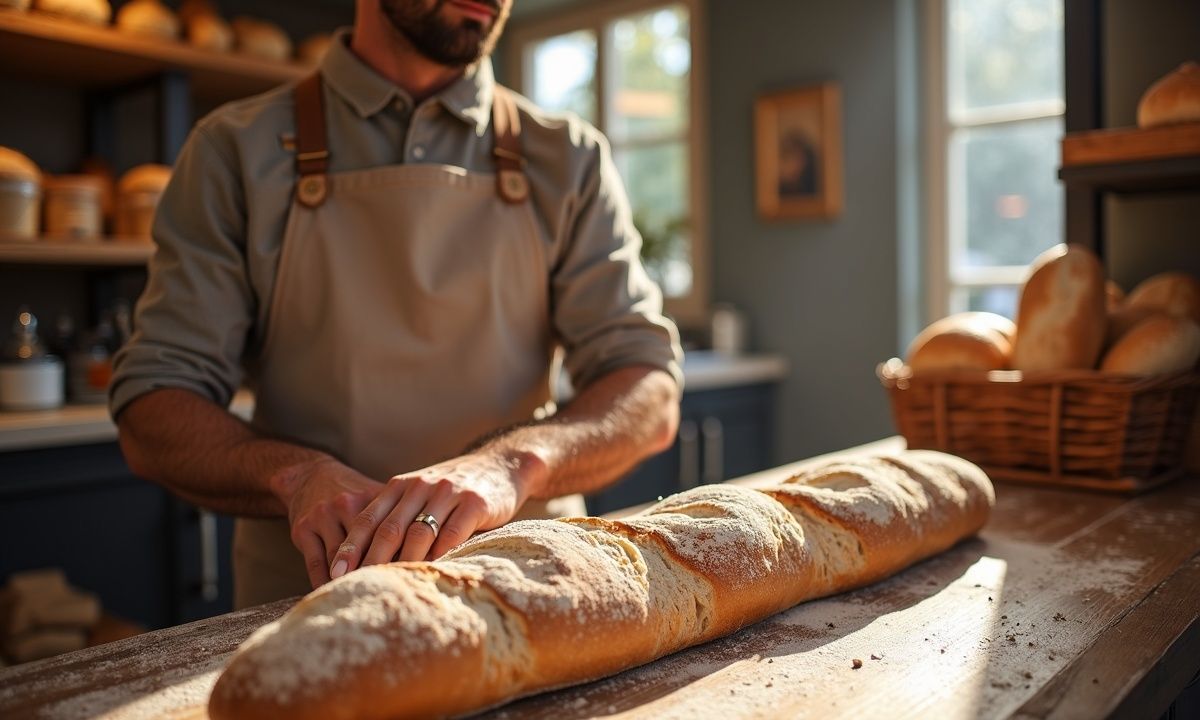
As I step into the warm, fragrant space of my bakery each morning, I am greeted by the familiar sounds of kneading dough and the gentle crackle of baking bread. Je suis boulanger, and with each loaf I create, I feel a deep connection to tradition, craft, and community. However, there’s one phrase that seems to echo through my shop more often than I would like: “Can I have a baguette?” While it may sound innocuous, it carries with it an array of assumptions and expectations that can be quite frustrating. This article aims to unpack the nuances behind this simple request and what it means for those of us who dedicate our lives to the art of baking.
The Weight of the Baguette
In France, the baguette is more than just a type of bread; it symbolizes culture, heritage, and even national pride. Tourists and locals alike flock to bakeries, anticipating a perfect, crusty loaf to accompany their meals. Yet, for bakers like myself, the request often feels reductive. It implies an expectation that we produce a flawless baguette every single day without acknowledging the craftsmanship involved. Each baguette requires precise measurements, the right fermentation times, and a deep understanding of the dough's behavior. When customers casually ask for one, they often overlook the years of training and experience that go into each loaf.

Furthermore, the phrase often comes laden with an expectation for speed. In our fast-paced world, the quick “grab-and-go” mentality has seeped into food culture, leaving little room for appreciation of the craft. The request for a baguette can sometimes feel like a dismissal of the artistry involved in baking. I often think about how much more meaningful it would be if customers took a moment to ask about the bread, to inquire about its ingredients, or to express interest in our other offerings.
A Day in the Life of a Baker
Being a boulanger is not just about producing bread; it’s about creating experiences. From the early hours before dawn to the last batch that comes out of the oven, each day is a labor of love. The process begins with selecting high-quality flour and other ingredients, often sourced from local farms. There’s a rhythm to the day that is both soothing and demanding. Kneading dough becomes almost meditative, a dance between man and nature.

Much of our work is also about community. We interact with a diverse range of customers, each with their own stories and preferences. One moment, a regular might come in for their favorite sourdough, and the next, a new customer might be curious about our seasonal pastries. This is the heart of our work—building relationships and sharing the joy of good food. Yet, when the most common interaction reduces our craft to just a “baguette,” it feels like we miss an opportunity to connect.
Understanding the Craft Behind the Bread
To appreciate the baguette fully, one must understand its history and significance. The traditional French baguette, with its crispy crust and airy interior, has been a staple for centuries. It’s often said that the perfect baguette has a golden crust that crackles when broken and a soft, airy interior with a hint of sweetness. This isn’t just a result of chance; it’s the outcome of precise technique and time. The fermentation process, for instance, can take up to 18 hours, depending on the desired flavor profile. Each baker may have their own secret ingredient or method, contributing to a rich tapestry of regional variations.
When customers ask for a baguette without a thought, it sometimes feels like they disregard this intricate process. I would love to see more conversations about how bread is made, the stories behind it, and the choices we make as bakers. Our customers can play a significant role in this dialogue, enriching their experience and understanding of what they are enjoying.
The Shift in Customer Expectations
In recent years, there has been a noticeable shift in customer expectations. Many now seek artisanal, hand-crafted options over mass-produced alternatives. This change is encouraging, as it suggests a growing appreciation for quality over convenience. However, while customers may desire authenticity, they often still approach their requests with an expectation of instant gratification. The concept of waiting for something special seems to be fading.
As bakers, we strive to meet these evolving demands while still maintaining our commitment to quality. We want our customers to understand that good things take time, and that the best baguette is one that has been given the time and care it deserves. We hope that by educating our customers about our processes, we can foster a deeper connection to the food they consume. After all, each bite of bread tells a story—of the earth it came from, the hands that made it, and the love that went into creating it.
Encouraging Dialogue in the Bakery
One way to foster this connection is by encouraging dialogue within the bakery. I often invite customers to ask questions about our products. What goes into our sourdough? Why do we use certain types of flour? By sharing our knowledge, we can help customers appreciate the craftsmanship involved in baking. This interaction not only enriches their experience but allows us to build a community that values food and its origins.
Additionally, we can showcase different types of bread beyond the baguette. From rustic country loaves to delicate pastries, there is a plethora of options that can excite the palate. Each type of bread has its own story and place in our culinary landscape. For those who enjoy learning about different professions, our colleague’s experiences, like those of a cashier or a security agent, also highlight the unique challenges and rewards of customer service roles. Read more about this in Je suis caissier et il y a une question que je ne supporte plus des clients, c'est pourtant évident.
Reflecting on the Craft
So, the next time you find yourself in a bakery, consider the weight of your words when you ask for that baguette. A simple request can carry a lot of meaning and impact the relationship between baker and customer. Let’s foster a culture of appreciation for the craft of baking. Ask questions, share stories, and take the time to savor the flavors of the bread. Je suis boulanger, and I invite you to join me on this journey of discovery and enjoyment.
By embracing the stories behind our food, we can create a dining experience that is not just about sustenance but about community and connection. Each loaf of bread we produce is a testament to our hard work and dedication, and it deserves to be honored as such.

Comments (0)
No comments yet. Be the first to comment!
Leave a Comment