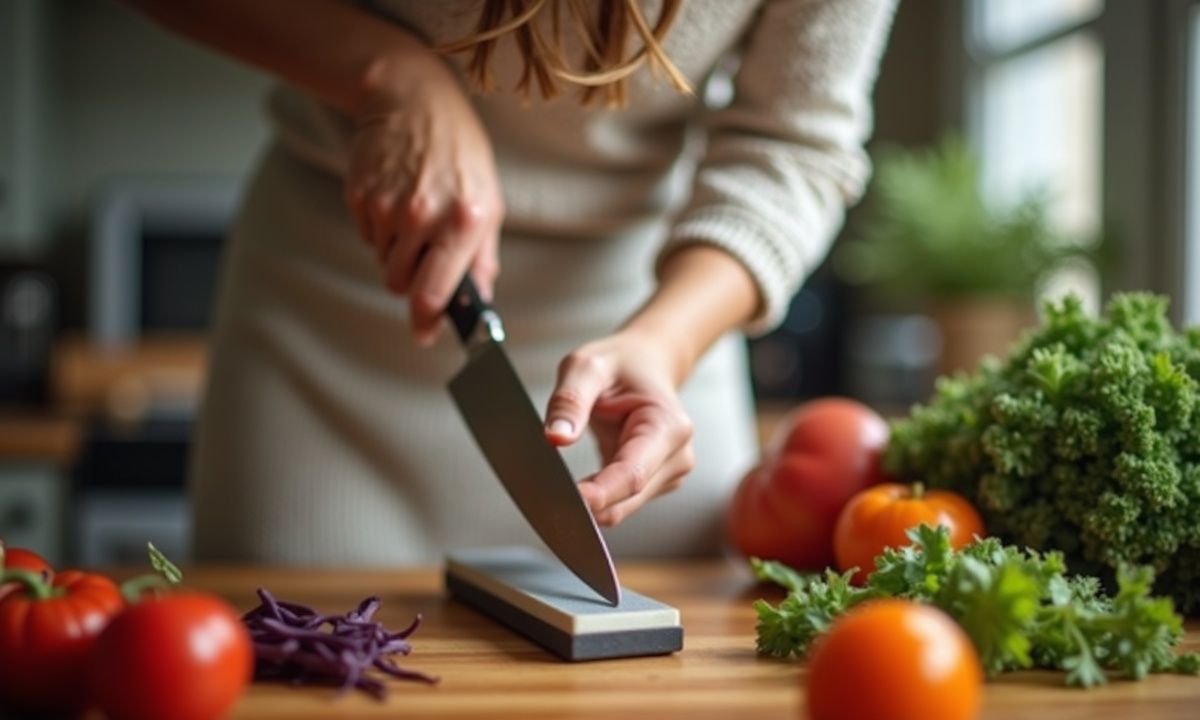
Many home cooks have experienced the frustration of working with dull knives. Cutting through vegetables or filleting fish becomes an exercise in patience rather than a culinary delight. Knife sharpening at home can seem daunting, but it’s a skill worth mastering. With the right tools and techniques, anyone can restore their kitchen knives to razor-sharp perfection, enhancing not only the cooking experience but also ensuring safety in the kitchen.
The Importance of Sharp Knives
Using a sharp knife is not just about efficiency; it’s also about safety. Dull knives can slip and cause accidents, whereas a well-honed blade allows for cleaner cuts and better control. For those who frequently prepare meals, understanding how to maintain this essential tool can make a significant difference in both food preparation and enjoyment. A sharp knife can turn what could be a tedious chore into an art form.
Understanding Knife Types
Before diving into sharpening techniques, it's essential to understand the types of knives in your kitchen. Chef's knives, paring knives, and serrated knives all serve different purposes and require different care. A chef's knife, for example, is versatile and used for a variety of tasks, whereas a serrated knife is designed for cutting bread and should be treated differently. Knowing which knife to sharpen and how to do it will lead to better results.
Tools for Knife Sharpening
There are several tools available for knife sharpening, each with its own advantages. The most common include whetstones, honing rods, and electric sharpeners. Whetstones are a traditional option and can be used to create a precise edge. They require some practice but offer great control over the sharpening process. Honing rods, on the other hand, are designed for maintaining an edge rather than creating one, and are best used regularly to keep knives sharp.

Cauliflower, Broccoli, and Cabbage Share a Single Plant Origin That Many People Still Don’t Realize
Electric sharpeners are user-friendly and can quickly restore a dull blade, but they may not offer the same level of precision as manual methods. For those who prefer a hands-on approach, whetstones often yield the best results. However, it’s crucial to ensure that you choose the right grit for your needs. Coarse grits are better for reshaping edges, while fine grits are ideal for honing.
Step-by-Step Sharpening Process
Sharpening a knife with a whetstone can be broken down into a few key steps. Start by soaking the stone in water for about 10 to 15 minutes if it’s a water stone. Place the stone on a stable surface, ensuring it won’t slip while you work. Hold the knife at a 20-degree angle against the stone and push the blade across it, applying light pressure. It’s essential to maintain this angle for uniform sharpening.

Begin with the heel of the blade and work your way to the tip, making sure to cover the entire edge. Repeat this process on both sides of the blade, usually around five to ten strokes per side, depending on how dull the knife is. After sharpening, rinse the knife and wipe it dry, ensuring that any metal shavings are removed.
Maintaining Your Knives
Once you’ve sharpened your knives, it’s vital to keep them in good condition. Regular honing with a honing rod can help maintain the edge between sharpenings. This process realigns any microscopic nicks or bends in the blade, ensuring that your knife stays sharper for longer. Additionally, always hand wash and dry your knives instead of putting them in the dishwasher, as the heat and moisture can damage the blade over time.
Common Mistakes to Avoid
While sharpening, it’s easy to make mistakes that can affect the blade’s performance. One common error is using too much pressure. Applying excessive force can lead to uneven sharpening and may damage the knife. Instead, focus on technique and consistency. Another mistake is neglecting to check the angle; maintaining the correct angle is crucial for achieving a sharp edge. sharpening too frequently can wear down the blade unnecessarily, so find a balance that suits your cooking habits.
When to Seek Professional Help
While many tasks can be tackled at home, there are times when a professional touch is necessary. If a knife has significant damage, such as chips or bends, it may be best to consult a professional sharpener. Additionally, if you have high-quality knives that you wish to maintain in pristine condition, professional services can provide specialized care that enhances the longevity of your investment.
For those interested in honing their observation skills while waiting for their knives to sharpen, consider engaging in activities like the Observation Game: Spot the Differences in Elephant Pictures. Such exercises can be a fun distraction and help develop a keen eye, which can be beneficial when assessing the sharpness of your knives.
The Joy of Cooking with Sharp Knives
Ultimately, knife sharpening at home is a rewarding skill that can enhance your culinary adventures. With sharp knives, preparing meals becomes a more enjoyable experience. Whether you’re slicing through fresh vegetables for a stir-fry or filleting a fish for dinner, a sharp knife makes all the difference. As you cultivate this skill, you’ll find that not only does your cooking improve, but so does your confidence in the kitchen.
For those interested in sharpening their problem-solving abilities, check out our article on Can You Quickly Spot the 3 Hidden Differences in This Boy and Dog Picture? to keep your mind sharp, just like your knives.
In the world of home cooking, where every tool plays a critical role, mastering knife sharpening is a valuable endeavor. With practice, patience, and the right techniques, anyone can achieve a level of proficiency that ensures their kitchen remains a place of creativity and culinary delight.

Comments (0)
No comments yet. Be the first to comment!
Leave a Comment