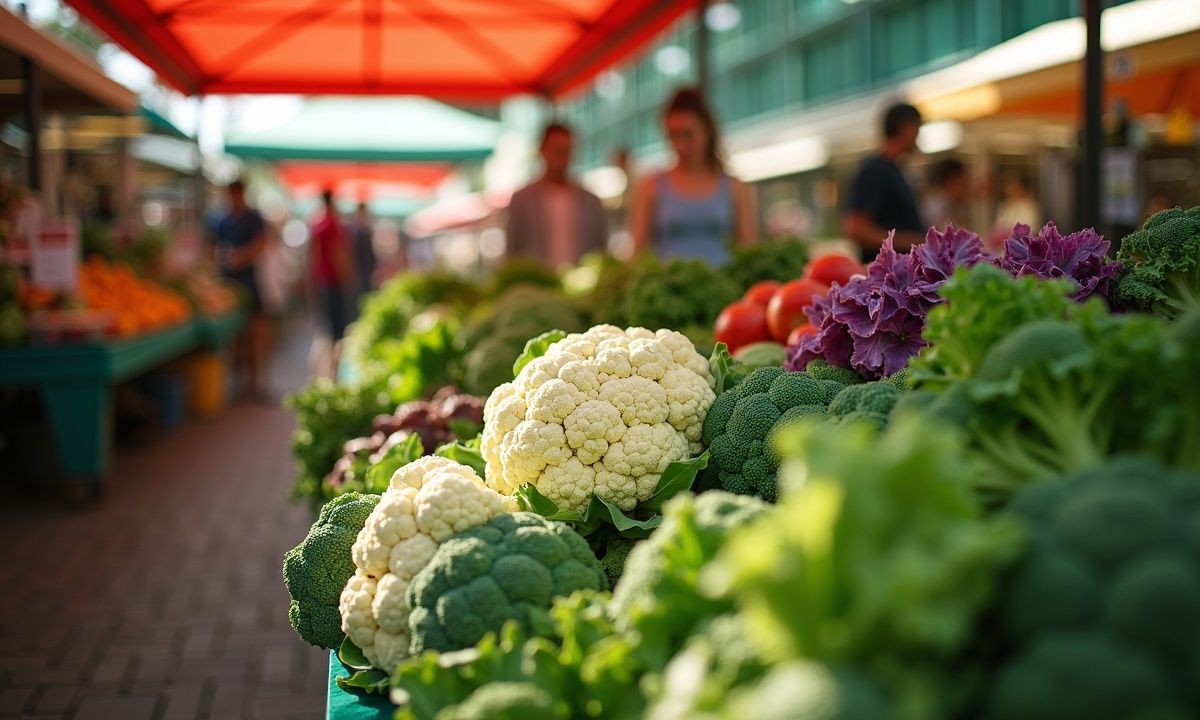
Picture a bustling farmer's market on a sunny Saturday morning. Stalls brim with fresh produce, and among the crowd favorites like tomatoes and peppers, three particular vegetables stand out: cauliflower, broccoli, and cabbage. While they may appear distinct, many shoppers remain unaware that these three share a singular origin. This fascinating fact often escapes even the most health-conscious enthusiasts, revealing a deeper connection between these greens that transcends their colorful appearances.
A Common Heritage
Cauliflower, broccoli, and cabbage are not just varied vegetables; they are all derived from the same species, Brassica oleracea. This cruciferous plant, domesticated over thousands of years, has given rise to a variety of cultivars, each adapted for different culinary uses and growing conditions. The journey from wild plant to the table involves centuries of selective breeding, driven by the desires and tastes of different cultures.

Historically, this plant has played a significant role in the diets of various civilizations. Ancient Romans and Greeks cultivated different forms of Brassica oleracea, and as trade routes expanded, so too did the varieties of this plant. The concept of selective breeding was well understood by farmers, who sought to enhance desirable traits such as size, flavor, and hardiness.
Modern Breeding Techniques
Today, the process of breeding vegetables has become more sophisticated. Scientists and agriculturalists utilize methods like hybridization and genetic modification to produce plants that meet the demands of contemporary consumers. For instance, broccoli's vibrant green florets are a product of careful selection for visual appeal and nutrient density, while cauliflower's creamy white head results from a different set of breeding priorities. The intricate work behind these vegetables often goes unnoticed by those who simply enjoy them in their meals.
The Nutritional Benefits
Beyond their shared lineage, cauliflower, broccoli, and cabbage all offer impressive health benefits. They are rich in vitamins, minerals, and antioxidants. For instance, broccoli is known for its high vitamin C content, while cauliflower is an excellent source of fiber. The nutrient profile of cabbage includes important compounds that support digestive health and possibly even reduce the risk of certain cancers.

Many health organizations recommend incorporating these vegetables into a balanced diet. According to the World Health Organization, consuming a diet rich in fruits and vegetables can significantly lower the risk of chronic diseases. This insight encourages individuals to explore their culinary uses and incorporate these vegetables into various dishes, from salads to stir-fries.
Culinary Versatility
The culinary potential of cauliflower, broccoli, and cabbage is virtually limitless. Cauliflower serves as a fantastic low-carb alternative in dishes like pizza crusts and rice, while broccoli shines in steamed or roasted preparations. Cabbage, with its crisp texture, is often the star of slaws and soups. Each vegetable brings its own flavor profile and texture, allowing for a diverse array of meal options.
In recent years, the rise of plant-based diets has further spotlighted these vegetables. Chefs and home cooks alike have experimented with creative preparations, from cauliflower steaks to broccoli pesto. Such innovations highlight the adaptability of these vegetables, proving that their uses extend far beyond traditional methods.
Environmental Impact and Sustainability
Understanding the origins of these vegetables also opens a discussion about sustainability. Brassica oleracea can be grown in various climates and conditions, making it a resilient choice for farmers facing the challenges of climate change. With increasing concerns about environmental sustainability, choosing locally grown varieties can reduce the carbon footprint associated with food production.
Efforts to promote sustainable agricultural practices are crucial. Many organizations advocate for methods that support biodiversity and soil health, such as crop rotation and organic farming. By prioritizing these practices, we not only preserve the environment but also ensure the continued availability of these vital crops. For more insights on related agricultural practices, see our article on Cauliflower, Broccoli, and Cabbage Revealed as One Plant Species Most People Never Knew Of.
Community and Cultural Significance
These vegetables also hold cultural significance in many communities. In Eastern European cuisines, cabbage is a staple, appearing in dishes like borscht and stuffed cabbage rolls. In contrast, broccoli is often celebrated in Italian dishes like pasta primavera. Cauliflower has found its place in Indian cuisine, where it is featured in curries and mixed vegetable dishes. Each culinary tradition adds a layer of richness to the appreciation of these shared plants.
Conclusion
As we continue to navigate a world increasingly focused on health and sustainability, recognizing the interconnectedness of our food sources becomes essential. The relationship between cauliflower, broccoli, and cabbage serves as a reminder of the complexity behind our meals. Understanding their shared origins offers not only insight into our dietary choices but also a broader perspective on agricultural practices and cultural traditions.
For those looking to deepen their knowledge about these vegetables, exploring further into their history and nutritional benefits can be both enlightening and beneficial. Engaging with our food on this level fosters a deeper appreciation for the meals we enjoy and the journeys they undertake from the field to our plates.
As you plan your next meal, consider the humble crucifer and its origins. Not just ingredients on a plate, cauliflower, broccoli, and cabbage are threads in a rich tapestry of history, nutrition, and culture.

Comments (0)
No comments yet. Be the first to comment!
Leave a Comment