Understanding Plank Hold Timing for Core Strength
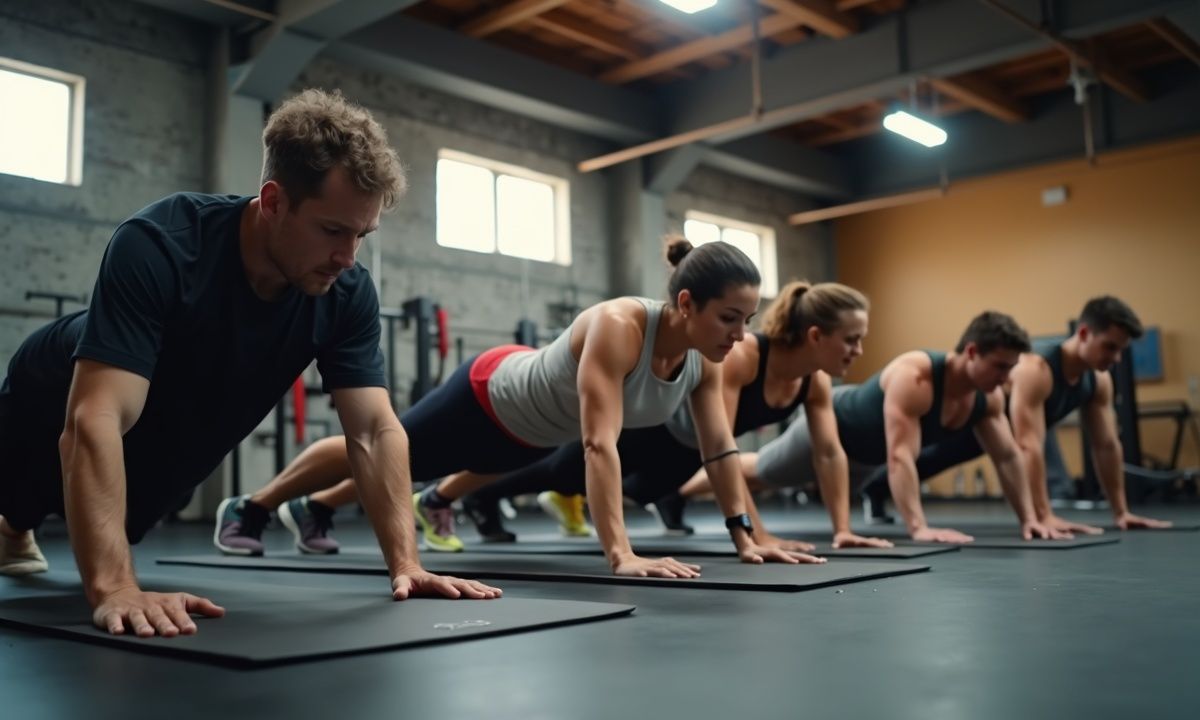
Walking into a gym, you might spot a group of fitness enthusiasts, faces taut with concentration as they hold a plank position. This simple yet challenging exercise has captivated many, and for good reason. Plank hold timing is not just about how long you can stay in position; it’s a reflection of your core strength and overall fitness level. But how long should one hold a plank based on age and fitness level? Let’s break it down.
What is a Plank?
The plank is a bodyweight exercise that engages multiple muscle groups, including the abdominals, back, shoulders, and glutes. It involves holding a position similar to a push-up, with the body straight and supported on the forearms and toes. The exercise is fundamental in building core stability, which is crucial for both daily activities and athletic performance.
The Importance of Core Strength
Core strength plays a vital role in maintaining balance and stability. A strong core can improve posture, reduce the risk of injuries, and enhance performance in various physical activities. According to National Institutes of Health, core stability is essential for optimal functioning in both sports and everyday movements. This makes the plank a critical exercise for individuals of all ages.
Ideal Plank Durations by Age
When it comes to plank hold timing, age is a significant factor. The recommended durations can vary, reflecting the physical capabilities that often change over time. Here’s a breakdown of suggested times for different age groups.
Young Adults (Ages 18-30)
For young adults, holding a plank for 60 seconds is a common benchmark. Many fitness programs encourage this duration as it allows for muscle engagement without compromising form. Individuals in this age range often have the strength and stamina to maintain longer holds. However, those new to exercise should aim for 20-30 seconds initially, gradually increasing as their strength improves.
Middle-Aged Adults (Ages 31-50)
As individuals transition into middle age, the recommended hold time can shift to 30-45 seconds. This adjustment accounts for changes in muscle mass and overall fitness levels. Engaging in consistent core training can help maintain strength, but it's essential to listen to your body. If 30 seconds feels challenging, it’s perfectly acceptable to start at shorter intervals and work up to the goal.
Older Adults (Ages 51 and Up)
For older adults, the focus should be on maintaining core strength rather than achieving longer hold times. Aiming for 15-30 seconds is often sufficient. This age group may face more issues with balance and joint health, making shorter, more controlled holds advantageous. Incorporating planks into a broader exercise regimen can help improve strength and stability.
Practical Tips for Effective Planking
Holding a plank is not just about endurance; it’s also about technique. Here are some practical tips to get the most out of your plank holds:

- Maintain Proper Form: Ensure your body is in a straight line from head to heels. Avoid sagging hips or raised shoulders.
- Engage Your Core: Tighten your abdominal muscles throughout the hold to maximize effectiveness.
- Breath Control: Breathe steadily, which helps maintain focus and reduce fatigue.
- Use Variations: If traditional planks become too easy, try side planks or plank variations to keep challenging your muscles.
The Role of Consistency
Consistency is key in any fitness routine. Regular practice of planks can lead to noticeable improvements in core strength. For beginners, integrating plank exercises into a weekly routine can provide the necessary stimulus for strength gains. Aiming for two to three sessions per week can be effective. Over time, as strength increases, the duration of holds can also be gradually extended.

Incorporating other core-strengthening exercises, such as side planks, Russian twists, and leg raises, can provide a well-rounded approach to core fitness. Understanding the timing and duration of plank holds in relation to age and fitness level ensures that individuals engage safely and effectively in strengthening their cores.
Real-World Application and Progress Tracking
To gauge progress, consider keeping a fitness journal to track hold times and any variations used. Not only does this help in setting achievable goals, but it also fosters a sense of accomplishment as you notice improvements over time. Sharing goals with a workout partner can also provide accountability and encouragement.
For those interested in broader health and wellness, understanding how lifestyle choices affect fitness is also essential. For example, the role of nutrition in supporting an active lifestyle cannot be overlooked. Articles like Household Oils Promote Thicker Eyebrows and Longer Lashes Over Time discuss the benefits of incorporating natural oils into daily routines, which can be a part of a holistic approach to health.
Final Thoughts on Plank Hold Timing
Plank hold timing is an excellent indicator of core strength and overall fitness. By recognizing the ideal durations for different age groups, individuals can tailor their workouts to meet their specific needs. Remember, the journey to core strength is personal, and what works for one person may not work for another. Focus on gradual progression and consistency, and consider integrating other fitness routines to complement your efforts.
In a world where fitness trends come and go, the humble plank remains a timeless exercise, reminding us that strength is built over time, with patience and persistence.

Comments (0)
No comments yet. Be the first to comment!
Leave a Comment