The Plank: A Simple Yet Effective Core Exercise
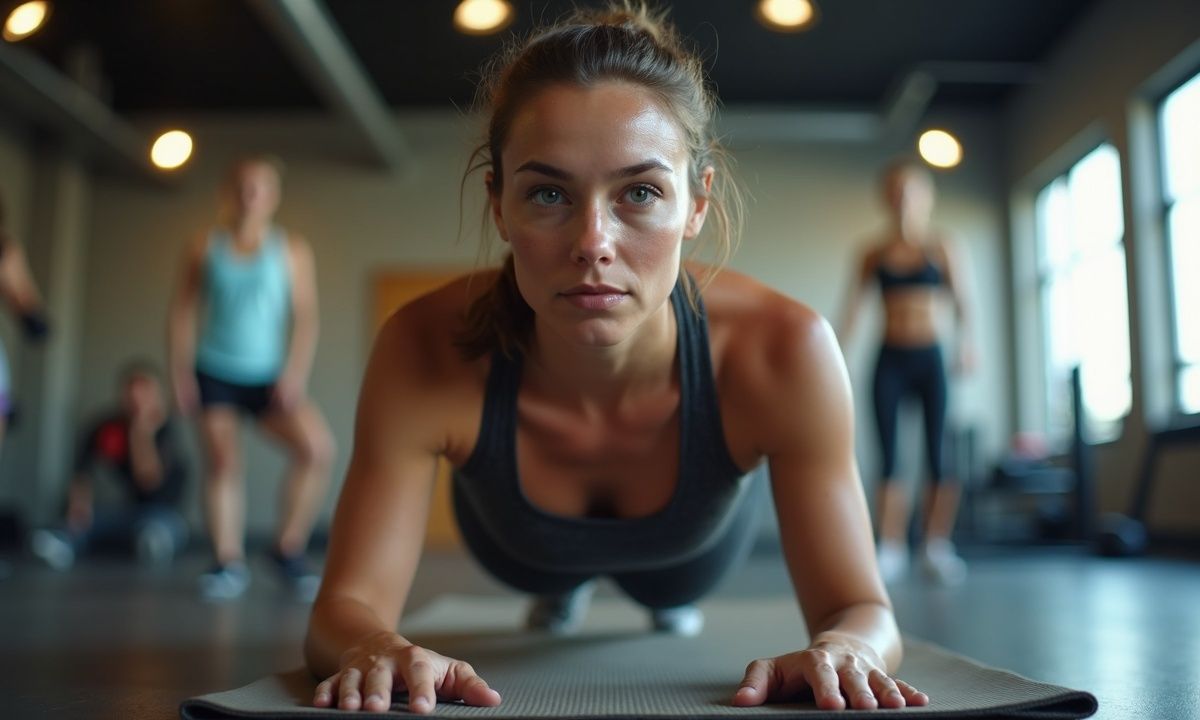
Picture this: you walk into a gym, and amidst all the high-tech equipment and crowded classes, a simple mat lays quietly in the corner. On it, people are holding a position that seems deceptively easy but is renowned for its effectiveness. This position is the plank, a staple in fitness routines worldwide. But how long should you hold a plank for optimal core benefits? The answer varies by age and fitness level, and understanding this can make a significant difference in your workout routine.
Understanding the Plank
The plank is a bodyweight exercise that targets multiple muscle groups, primarily focusing on the core. It requires you to maintain a stable position by balancing on your forearms and toes, creating a straight line from head to heels. This position not only works the abdominal muscles but also engages the shoulders, back, and legs. As simple as it seems, mastering the plank can lead to improved stability, posture, and overall strength.
Why Timing Matters
Timing is a crucial element in the effectiveness of a plank hold. Holding the position for too short a duration may not provide sufficient stimulus to the muscles, while holding it too long can lead to fatigue and improper form. The goal is to find a balance that optimally challenges your body without compromising technique. The key is to listen to your body and adjust your timing based on your current fitness level and age.
Age and Plank Timing
As we age, our bodies change, and so do our physical capabilities. Therefore, the ideal plank hold duration varies by age group. Here’s a breakdown of recommended timing for different age brackets:
Young Adults (Ages 18-35)
For those in their prime, holding a plank for 60 seconds or more is quite achievable. Many fitness enthusiasts in this age group aim for 90 seconds to challenge themselves further. This demographic typically possesses sufficient muscle strength and endurance to maintain proper form for longer durations. Incorporating variations, such as side planks or planks with leg lifts, can also enhance the workout.
Adults (Ages 36-55)
As we transition into middle adulthood, the body may not recover as quickly, and core strength might start to decline. For this group, holding a plank for 30 to 60 seconds is generally recommended. Focus on maintaining form during these holds, as this can lead to better core strength over time. Gradually increasing the hold time can yield impressive results in muscle endurance and stability.
Seniors (Ages 56 and Up)
Older adults often face a decline in muscle mass and strength, making a 15 to 30-second plank hold a reasonable goal. However, many seniors can benefit from shorter holds, focusing on multiple repetitions throughout the day. This approach encourages muscle engagement without overwhelming the body. It’s essential to prioritize form over duration, adapting the exercise to suit individual capabilities.
Practical Tips for Effective Planking
Regardless of age, there are several strategies to maximize the benefits of planks:
Consistent Practice
Consistency is vital. Aim to include planks in your routine two to three times a week. Over time, you'll notice improvements in your core strength and endurance. Consider tracking your hold times to motivate yourself to gradually increase your duration.
Focus on Form
Proper form is crucial for preventing injury and maximizing effectiveness. Ensure your elbows are directly beneath your shoulders, and your body forms a straight line from head to heels. Engaging your core and glutes will help maintain this alignment.
Incorporate Variations
Once you feel comfortable with standard planks, you can add variations to keep your routine engaging. For instance, try side planks to target obliques or plank jacks to incorporate cardiovascular elements. Such variations can also help in adjusting the challenge according to your fitness level.
The Psychological Aspect of Planking
Holding a plank can be as much a mental challenge as it is a physical one. Many find that focusing on their breath or counting helps pass the time during longer holds. Setting small goals, such as increasing your hold by five seconds each session, can create a sense of achievement and motivation.
Combining Planks with Other Exercises
For those looking to build a comprehensive core workout, consider combining planks with other exercises. Pairing planks with movements like push-ups or squats can create a balanced routine that works multiple muscle groups. These combinations can also maintain engagement, making workouts feel less monotonous.

For more details on timing and variations, refer to our article on Plank Hold Timing Explained: How Long You Should Hold a Plank to Build Core Strength at Any Age.
Listening to Your Body
Every individual is different, and what works for one person may not work for another. It's crucial to listen to your body. If you feel pain or discomfort while holding a plank, it may be wise to reduce the duration or modify the exercise. Always consult with a healthcare provider before starting any new exercise regimen, especially if you have pre-existing conditions.
Conclusion
The plank remains a fundamental exercise for core strength, but understanding how long to hold a plank for optimal benefits is essential. Age plays a significant role in determining the ideal duration, with younger adults capable of longer holds compared to seniors. No matter your age, focusing on form, consistency, and gradual progression is key to reaping the full benefits of this exercise. Remember, it's not just about how long you can hold the position, but how effectively you can engage your core during that time.

As you embark on or continue your fitness journey, consider integrating planks into your routine. With mindful practice and patience, you’ll not only build a stronger core but also contribute to your overall health and well-being.

Comments (0)
No comments yet. Be the first to comment!
Leave a Comment