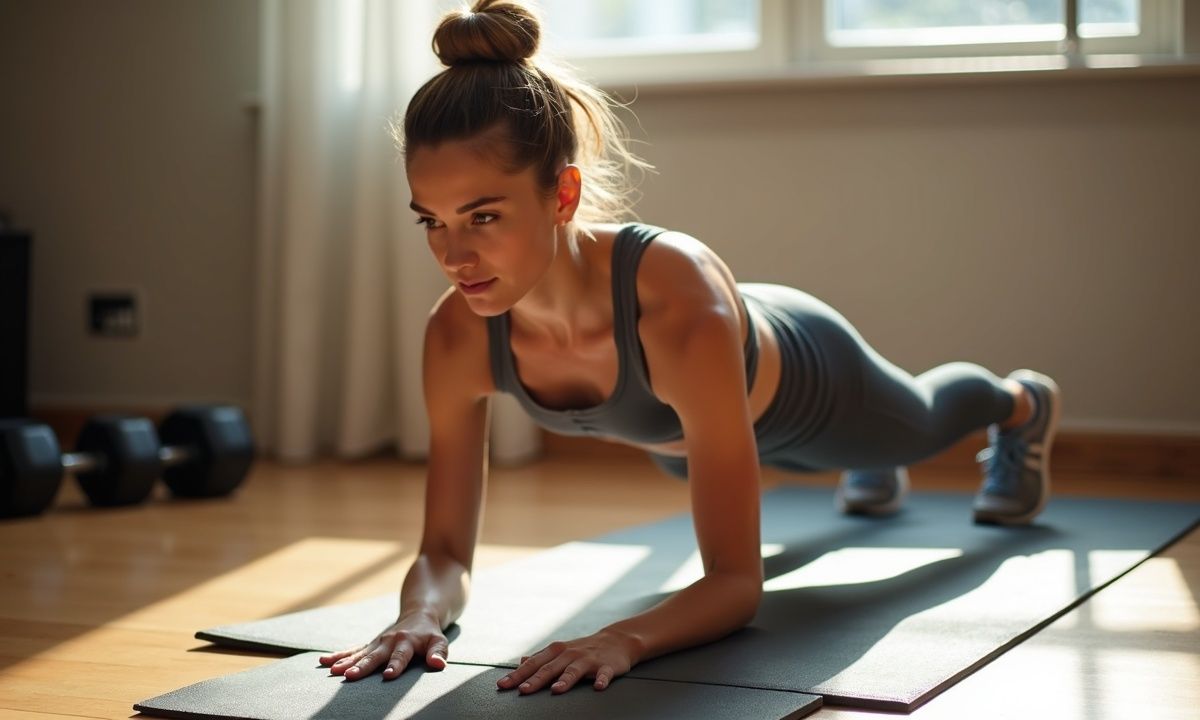
The Plank: A Timeless Exercise for Core Strength
In a world where fitness trends come and go, the plank remains a staple exercise. Its simplicity belies the immense benefits it can offer, especially when practiced with the right timing. Many people find themselves wondering about the ideal durations for holding a plank. With various recommendations floating around, understanding plank hold timing based on age can help tailor core strength training effectively.
Understanding Core Strength and Its Importance
Core strength is more than just a fitness buzzword; it is crucial for overall health and physical performance. A strong core supports good posture, reduces the risk of injuries, and enhances athletic performance. It is a foundation for many movements in daily life, from lifting heavy objects to maintaining balance during activities like yoga or running.
According to the National Institutes of Health, core strength is linked to improved stability and mobility, which are essential for people of all ages. Whether you are a young athlete or a senior looking to maintain independence, a strong core is vital.
Plank Hold Timing: How Long Should You Hold a Plank?
The question of how long to hold a plank can be subjective and varies significantly with age and fitness levels. For younger individuals, especially those in their late teens to early twenties, holding a plank for 60 seconds or more may be achievable and beneficial. This age group typically has greater muscle tone and endurance, allowing them to engage in longer holds.
Age Considerations
As people age, their muscular endurance and core stability can change. Individuals in their thirties and forties might aim for plank holds of 30 to 45 seconds. At this stage, it's not just about duration; form and technique become increasingly important to avoid strain and injury.
For those in their fifties and beyond, shorter holds of 20 to 30 seconds may be more appropriate. This doesn't imply a lack of strength but rather a shift in priorities towards maintaining good form and preventing injury. Older adults can also benefit from incorporating variations, such as side planks or plank reaches, to challenge their stability without excessive strain.
Finding Your Personal Best
It's essential to listen to your body when determining how long to hold a plank. If you find yourself shaking or compromising your form, it may be time to reduce the duration. The key is to build up gradually. For beginners, starting with 10 to 15 seconds can lay the groundwork for longer holds as strength improves.
We previously discussed Plank Hold Timing Explained: How Long You Should Hold a Plank to Build Core Strength at Any Age in depth, which can provide more insight into establishing a routine that fits your needs.
The Role of Consistency in Building Core Strength
Consistency is where the real magic happens. It’s not just about how long you can hold a plank today but rather how regularly you integrate this exercise into your routine. Aim to practice planks at least three times a week. Over time, this regularity will lead to noticeable improvements in core strength.
Incorporating variety is also beneficial. Different plank variations, such as knee planks, forearm planks, or elevated planks, can keep your routine engaging and target different muscle groups. For instance, advanced practitioners might add leg lifts or arm reaches while in a plank position to increase the challenge.
Real-World Applications of Core Strength
Consider the everyday activities that demand a strong core. Lifting groceries, maintaining balance while walking on uneven surfaces, or even sitting for long periods at a desk all rely heavily on core stability. Individuals who engage in regular core workouts, including planks, often report feeling more agile and capable in their daily lives.
Moreover, athletes in sports like gymnastics, martial arts, and swimming often prioritize core exercises as part of their training regimens. The enhanced control and power that come from a strong core can significantly impact performance outcomes.
Assessing Progress Over Time
Tracking progress can be motivating. Keeping a log of your plank durations and noting how you feel during each session can help you see improvements over time. You might find that you can hold a plank longer or perform more variations than you could just a few weeks ago. This sense of accomplishment can encourage you to stick with your routine.
For more details on how to establish an effective plank routine, refer to our article on Plank Hold Timing Explained: The Ideal Plank Durations That Build Core Strength by Age.
Safety Tips for Effective Planking
While planks are generally safe, proper form is crucial to avoid injury. Keep your body in a straight line from head to heels, ensuring that your elbows are directly under your shoulders if you are doing a forearm plank. Additionally, engage your core by pulling your navel towards your spine and avoid letting your hips sag or rise too high.
If you experience any discomfort in your back or shoulders, modify your position or reduce your hold time. Consulting with a fitness professional can also provide personalized guidance to maximize the effectiveness of your core workouts.
Building a Lifelong Habit
Ultimately, the goal of any exercise routine, including planks, is to foster a lifelong habit of health and well-being. Integrating core workouts into your weekly routine not only strengthens your body but also contributes to overall physical fitness. As you become more adept at holding planks, you may find yourself more motivated to explore other forms of exercise, creating a well-rounded fitness regimen.
In the quest for core strength, understanding the nuances of plank hold timing can make a significant difference. Engaging with your body, recognizing its capabilities, and adjusting your approach according to your age and fitness level is essential. As you embark on this journey, remember that every second spent in a plank brings you closer to a stronger, more resilient core.

Comments (0)
No comments yet. Be the first to comment!
Leave a Comment