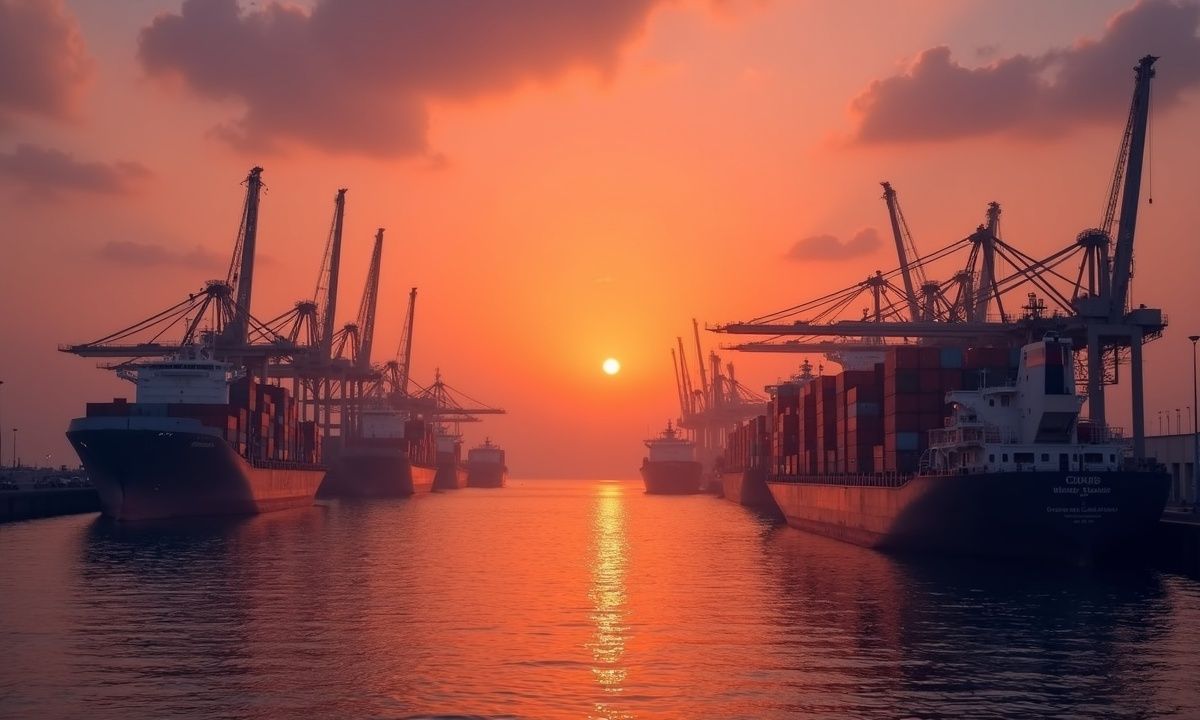
In the complex landscape of international shipping, the assurance of safe passage can significantly impact global trade dynamics. Recently, Iran confirmed that Indian vessels will be granted safe passage through its waters, a development that is particularly noteworthy given the region's geopolitical intricacies. This announcement not only highlights Iran's diplomatic stance but also underscores the vital role of maritime safety in sustaining commerce between nations. With shipping routes under constant scrutiny, the implications of such assurances resonate far beyond immediate trade agreements.
The Context of Maritime Safety
Maritime safety is an essential aspect of international trade, particularly in regions that have historically experienced conflict or tension. The Strait of Hormuz, for instance, is one of the most critical waterways globally, with a significant percentage of the world's oil passing through it. As ships traverse these vital routes, the assurance of safe passage can alleviate fears of piracy, military confrontations, or other disruptions. In light of recent tensions in the Middle East, Iran's commitment to allowing Indian ships to navigate its waters safely is a welcome development for many.

This commitment is not merely symbolic; it carries practical implications for various industries reliant on the smooth flow of goods. For Indian businesses, this assurance paves the way for more efficient logistics and supply chain management. By ensuring that vessels can pass through without the threat of interference, Iran opens avenues for increased trade, fostering economic ties that can benefit both nations.
Impacts on Indian Trade
For India, the announcement signifies a crucial step towards strengthening trade relations with Iran. The two countries have a history of economic cooperation, particularly in sectors like oil, agriculture, and pharmaceuticals. With India being one of the largest importers of Iranian crude oil, the need for secure shipping routes cannot be overstated. The assurance of safe passage means that ships carrying essential goods can operate with reduced risk, ultimately benefiting consumers and businesses alike.

Moreover, the Indian government has been actively seeking to diversify its energy sources. With fluctuating oil prices and the ongoing need for energy security, a stable relationship with Iran could prove advantageous. The ability to transport goods safely through Iranian waters may encourage Indian companies to pursue new opportunities in the region, potentially leading to greater investment in both nations.
Regional Geopolitical Dynamics
The geopolitical landscape of the Middle East is characterized by shifting alliances and ongoing tensions. Iran's commitment to safe passage for Indian vessels can be interpreted as a strategic move to strengthen its ties with New Delhi, particularly in light of its fractious relationships with other regional powers. This diplomatic gesture may also serve to counterbalance the influence of countries like Saudi Arabia and the United States in the region.
For many observers, the Iranian announcement also reflects a broader trend of nations seeking to cultivate partnerships that can withstand external pressures. As global trade continues to evolve, countries are increasingly aware of the need to foster cooperative relationships that can provide mutual benefits. By ensuring safe passage for Indian ships, Iran signals its willingness to engage positively with key partners, potentially reshaping the narrative surrounding its international standing.
Challenges Ahead
While the promise of safe passage is encouraging, challenges remain. The volatile nature of international relations means that assurances can quickly become uncertain. Political shifts, sanctions, and military conflicts can all impact maritime safety and trading routes. For Indian businesses, understanding these complexities is crucial for navigating future transactions.
Furthermore, maritime security is not solely the responsibility of individual nations. International organizations play a significant role in maintaining safety on the high seas. The United Nations, through its various agencies, works to establish frameworks for maritime security and the protection of shipping lanes. Additionally, organizations like the International Maritime Organization provide guidelines aimed at minimizing risks associated with maritime navigation.
Real-World Implications
The real-world implications of safe passage extend beyond economics into the realm of everyday life. Consider the impact on consumers: a stable flow of goods from India to Iran can lead to lower prices and more options in markets. If Indian agricultural exports, for instance, can reach Iranian consumers without the threat of disruption, this could enhance food security in a region where demand often outstrips supply.
On a more personal level, the assurance of safe passage can foster a sense of security among those who rely on maritime trade for their livelihoods. From fishermen in coastal communities to workers in shipping industries, the ripple effects of a secured maritime environment can be profound. The interconnectedness of global economies means that when one area achieves stability, others can benefit as well.
Broader Perspectives on Safety
Safety, whether it pertains to maritime navigation or other areas of life, is a universal concern. In different contexts, people seek assurance that their environments are secure. For example, many individuals prioritize safe practices in health and wellness, as seen in our article about 9 Safe Yoga Exercises That Benefit Both Mother and Baby. Just as we aim for safety on land, the same principles apply at sea.
Even in personal care, safety is paramount. The demand for products like Safe Henna Hair Dye Blends That Provide Rich Long-Lasting Color Without Chemical Damage reflects a broader societal trend towards prioritizing health and safety in all aspects of life. Whether it’s through mindful consumption or ensuring secure travel, individuals are increasingly cognizant of the choices they make.
Looking Forward
As Iran and India move forward with their maritime relationship, the focus on safe passage will likely remain a priority. Both nations will need to navigate the complexities of international trade while maintaining open lines of communication. The historical context of their relationship, coupled with current geopolitical realities, will shape future interactions.
The commitment to safe passage can be seen as a beacon of hope for a more collaborative future. It offers a pathway for nations to engage in dialogue and address shared challenges. In an ever-changing world, the pursuit of safety—whether on the high seas or in daily life—remains a fundamental human interest.
Ultimately, the assurance of safe passage for Indian ships through Iranian waters is a significant step towards fostering stronger ties between the two nations. As global trade continues to evolve, the importance of maritime safety will only grow, reminding us all of the interconnectedness of our lives.
Sources

Comments (0)
No comments yet. Be the first to comment!
Leave a Comment