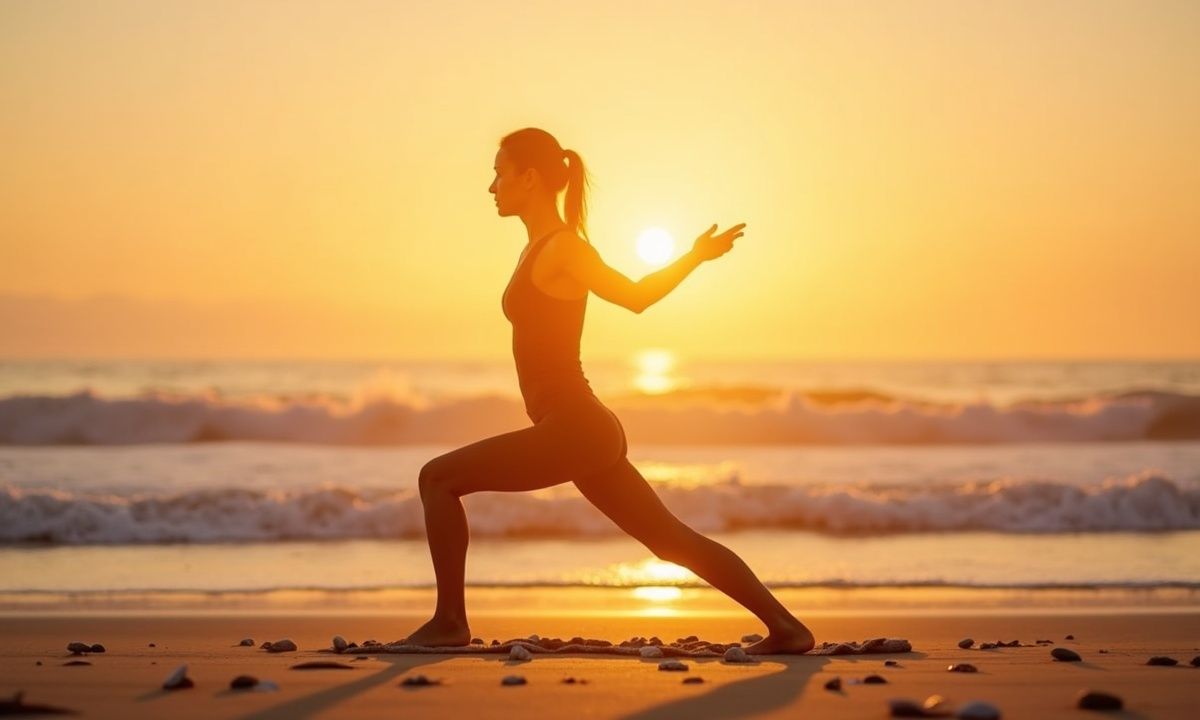
The Gentle Path of Slow Flow Yoga
In the busy rhythm of modern life, the quest for tranquility often leads us to practices that offer a moment of pause. One such practice is Slow Flow Yoga, a soothing approach that encourages a mindful connection between breath and movement. For those grappling with tight hips or emotional heaviness, this style of yoga can serve as a gentle remedy, inviting both physical release and emotional clarity.
Understanding Slow Flow Yoga
Slow Flow Yoga stands out for its deliberate pace, allowing practitioners to transition smoothly between poses. It emphasizes a fluid experience, where each movement is linked to breath, creating a meditative atmosphere. This approach is particularly beneficial for individuals seeking deep hip openings, as the slow transitions provide ample time for the body to adapt and release tension. While typical yoga sessions may rush through postures, Slow Flow Yoga invites a more reflective and gentle exploration of one's limits.
Physical Benefits of Slow Flow Yoga
One of the most immediate benefits of engaging in Slow Flow Yoga is the opportunity for deep hip openings. Many people carry emotional and physical tension in their hips, which can manifest as tightness or discomfort. Regular practice can help alleviate this tension, allowing for greater flexibility and range of motion. Consider incorporating poses like Pigeon and Butterfly, which are staples in this practice. These postures not only open the hips but also encourage a release of pent-up emotions that often reside in this area.
Emotional Release Through Movement
As practitioners move through the slow, intentional sequences, they may find that emotional releases occur naturally. This phenomenon is not uncommon; many individuals report feeling lighter or more at ease after a session. The act of slowing down allows for deeper introspection and a chance to confront feelings that may have been tucked away. In this way, Slow Flow Yoga serves as a bridge between the body and mind, facilitating a holistic approach to wellness.
Creating a Slow Flow Yoga Routine
For those new to Slow Flow Yoga, establishing a routine can be as simple as dedicating a few minutes each day to practice. Begin by finding a comfortable space, free from distractions. A yoga mat can provide a designated area to land your body and mind. Start with gentle stretches to warm up the body, then gradually move into a sequence of postures that focus on the hips.

A suggested sequence might include Cat-Cow to warm up the spine, followed by Lizard Pose for deep hip stretching, and finishing with Child’s Pose to rest and integrate the practice. Remember to breathe deeply throughout each pose, allowing the breath to guide your movements. This rhythmic connection cultivates a sense of peace that can permeate beyond the mat and into daily life.
Mindful Breathing Techniques
Incorporating mindful breathing into your Slow Flow Yoga practice can further deepen the experience. Techniques such as diaphragmatic breathing can promote relaxation and enhance emotional release. As you inhale through the nose, imagine filling the belly with air, and as you exhale, visualize letting go of tension. This practice can be particularly effective during poses that challenge your balance or flexibility, as it grounds you in the present moment.
Real-World Context and Examples
Many individuals have turned to Slow Flow Yoga as a means to navigate life’s challenges. Take, for instance, a busy professional who spends hours at a desk. Over time, this lifestyle can lead to tight hips and discomfort. By incorporating Slow Flow Yoga into a weekly routine, they may experience not only physical relief but also a shift in their emotional landscape, feeling more equipped to handle stress and anxiety. This is a common narrative shared among practitioners who find solace and strength in their practice.

The beauty of Slow Flow Yoga is its adaptability. It can be practiced at home, in studios, or even outdoors. Some may choose to follow online classes, which have become increasingly popular, allowing a wider audience to access this gentle form of movement. Studios often offer classes specifically tailored to beginners, making it approachable for everyone.
Community and Connection
Joining a Slow Flow Yoga class can also foster community and connection. Many practitioners find that sharing the experience with others creates a supportive environment where vulnerabilities can be expressed. This sense of belonging can amplify the emotional benefits, as sharing stories and experiences enhances the collective healing process.
For those interested in further expanding their yoga practice, consider exploring additional styles and poses. For instance, 7 Yoga Poses For Mind And Body Transformation offers insights into poses that can complement Slow Flow Yoga, while Hip and Breast Yoga That Helps You Feel More Open and Stronger emphasizes the importance of opening the body for emotional release.
Reflecting on the Journey
As you embark on your Slow Flow Yoga journey, remember that the path to deeper hip openings and emotional release is a personal one. Each practice offers an opportunity to connect with your body and mind in new ways. It's essential to approach your sessions with kindness and patience, allowing yourself to grow at your own pace. Over time, you may find that the emotional and physical benefits of this practice extend far beyond the mat, influencing how you navigate life’s challenges.
As you continue to engage with Slow Flow Yoga, consider integrating mindful practices into your daily routines. Whether it's through meditation, journaling, or simply taking moments of stillness, these practices can complement the work done on the mat. The journey towards deeper self-awareness and emotional release is ongoing, and each step taken through yoga contributes to that growth.

Comments (0)
No comments yet. Be the first to comment!
Leave a Comment