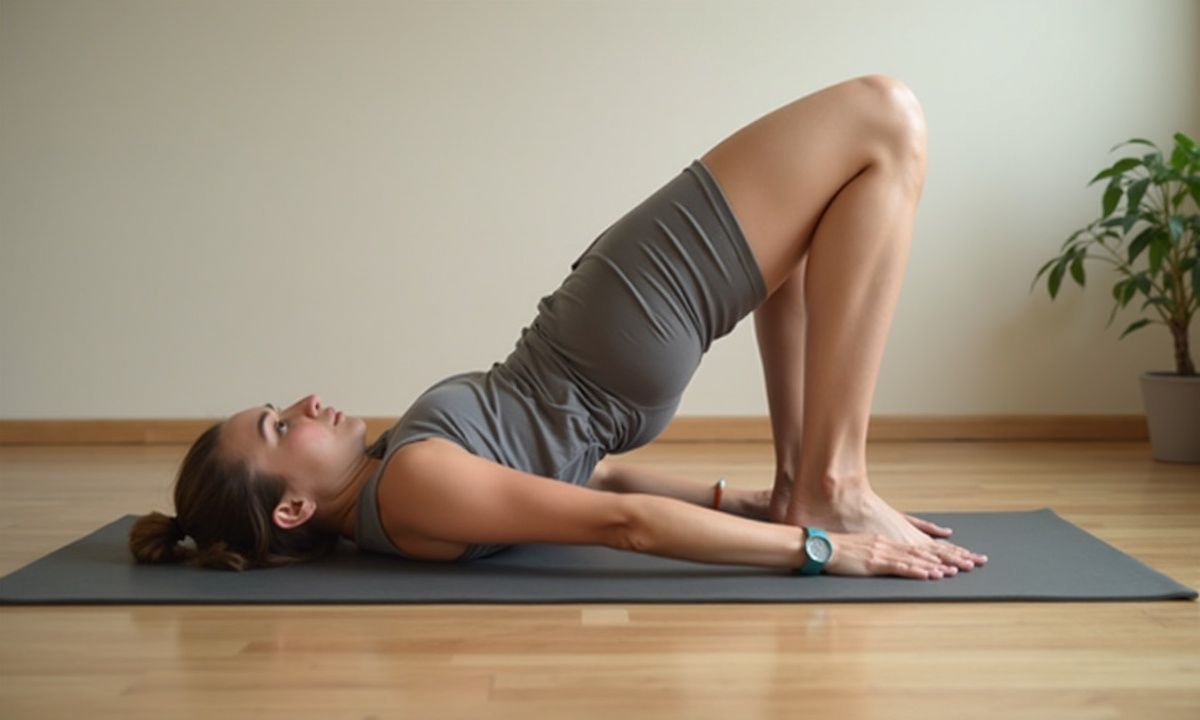
Finding Relief Through Movement
In today’s fast-paced world, it’s common to feel the weight of daily stresses manifesting as physical tension. Whether it’s the tightness in your shoulders from hunching over a computer or the stiffness in your hips from long hours of sitting, tension can build up in various ways. One effective method to alleviate this discomfort is through yoga. Yoga poses that focus on releasing built-up body tension can significantly contribute to your overall well-being. The connection between mind and body in yoga fosters a sense of tranquility, allowing for deeper relaxation.
Why Yoga for Tension Relief?
Yoga is not just about physical postures; it’s a holistic practice that integrates breath, mindfulness, and movement. When you engage in yoga, you cultivate awareness of your body and its sensations. This awareness can help identify areas of tension, prompting you to consciously release it. Furthermore, scientific research has shown that practices like yoga can reduce stress and anxiety levels, making it a valuable tool for maintaining mental health. According to U.S. Department of Health & Human Services, regular physical activity, including yoga, can enhance mood and overall well-being.
Child's Pose (Balasana)
Child's Pose is often used as a resting position in yoga sequences. This gentle pose stretches the back and hips while promoting relaxation. To perform it, kneel on the floor, sit back on your heels, and stretch your arms forward, lowering your forehead to the ground. This position encourages deep breathing, which can help soothe the nervous system. In moments of stress, taking a few minutes in Child's Pose can provide a sense of safety and comfort.
Downward-Facing Dog (Adho Mukha Svanasana)
This pose is a staple in many yoga practices and offers a full-body stretch. By lifting your hips and pressing your heels toward the ground, you create an elongation of the spine and relief in the shoulders. Downward-Facing Dog helps release tension accumulated in the back and legs. It’s particularly beneficial for those who spend long hours sitting. To maximize the effects, focus on your breath as you hold this pose, allowing each exhale to release tension further.
Cat-Cow Stretch (Marjaryasana-Bitilasana)
The Cat-Cow Stretch is an excellent way to release tension in the spine while synchronizing movement with breath. Start on your hands and knees. As you inhale, arch your back (Cow Pose) and look up, creating space in your torso. On the exhale, round your spine (Cat Pose) and tuck your chin to your chest. This gentle flow not only improves flexibility but also promotes a rhythm of breath that can alleviate stress. It’s a simple yet effective way to connect with your body and release accumulated tension.
Pigeon Pose (Eka Pada Rajakapotasana)
Pigeon Pose is well-known for its ability to target tight hips, an area where many people hold tension. It opens the hips and allows for a deeper release of stress. Begin in a tabletop position, bringing one knee forward while extending the other leg back. As you lower your torso toward the ground, focus on breathing deeply into the sensations in your hips. This pose can be intense, so it’s essential to listen to your body and make adjustments as needed. For those who find Pigeon Pose challenging, modifications are available that can still provide the benefits without strain.
Seated Forward Bend (Paschimottanasana)
The Seated Forward Bend is an excellent pose for those who experience tension in the lower back and hamstrings. Sitting with your legs extended, reach forward toward your feet while keeping your spine long. This pose encourages a gentle release in the back and promotes relaxation throughout the body. As you hold the pose, focus on deepening your breath, allowing each exhale to let go of any lingering tension. It’s a wonderful way to transition into a state of calm.
Legs-Up-the-Wall Pose (Viparita Karani)
This restorative pose is perfect for unwinding after a long day. By lying on your back and extending your legs up against a wall, you can alleviate pressure from your legs and lower back. This inversion allows for relaxation and helps decrease feelings of anxiety. It’s an accessible pose for all levels and can be held for several minutes, making it a favorite among practitioners seeking relief from tension. The gentle nature of this pose encourages deep relaxation and mindfulness.
Incorporating Mindfulness
As you practice these yoga poses, consider incorporating mindfulness techniques to deepen your experience. Pay attention to your breath, noticing how it flows in and out. This awareness can heighten your body’s response to the poses and enhance the release of tension. Mindfulness transforms your practice into a more profound exploration of self, allowing you to connect with your body and mind on a deeper level.

For those new to yoga, starting with simpler poses can build a solid foundation. You might find it beneficial to refer to resources such as 12 Beginner-Friendly Yoga Poses That Safely Improve Flexibility or 12 Beginner-Friendly Yoga Poses That Safely Enhance Flexibility to get started. These articles provide guidance on poses that support your journey into yoga, making it easier to find the ones that resonate with your body’s needs.
Creating a Routine
Establishing a regular yoga practice can amplify the benefits of these poses. Even a short daily routine can be enough to make a difference in how you feel. Consider setting aside a few minutes each day to engage in the poses discussed, pairing them with mindful breathing. Over time, you may notice a significant reduction in body tension, improved flexibility, and a greater sense of calm. Additionally, learning about other poses that cater to specific areas of discomfort can further your practice. For example, Yoga Poses That Help Tight Hips Relax and Move offers insights into poses that specifically target hip tension.
Final Thoughts
Acknowledging and addressing body tension is essential for maintaining overall health. Yoga poses that help release built-up body tension not only provide physical relief but also foster mental clarity and emotional balance. As you incorporate these practices into your routine, remember to be patient with yourself. Yoga is a journey that unfolds over time, and every small step you take toward releasing tension contributes to your overall well-being.

Sources

Comments (0)
No comments yet. Be the first to comment!
Leave a Comment