11 Balance Exercises for Seniors to Enhance Stability and Reduce Fall Risk
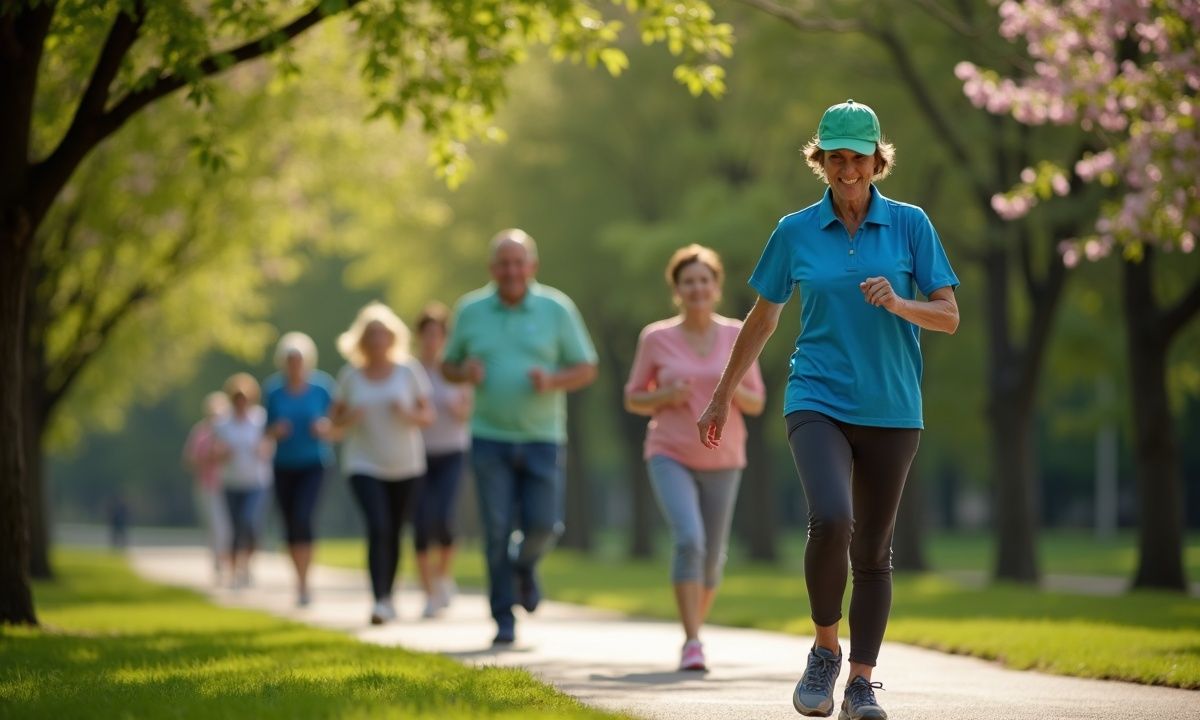
Picture a sunny afternoon in a neighborhood park. Seniors are strolling along the paths, stopping to chat with one another, some feeding the ducks, and others practicing their gardening skills. Among these activities, a group is gathered in a corner, engaging in balance exercises that not only strengthen their bodies but also foster connections. With each stretch and movement, they are actively working to enhance their stability and reduce fall risk. we will discuss 11 balance exercises that seniors can incorporate into their routines to promote safety and confidence in their daily lives.
The Importance of Balance for Seniors
As we age, maintaining balance becomes increasingly crucial. According to the National Institute on Aging, falls are a leading cause of injury among older adults. Simple activities like getting out of bed or walking to the kitchen can become daunting tasks without proper balance. Thus, integrating specific exercises into one's daily routine can be a proactive way to prevent falls and enhance overall well-being.
1. Standing on One Leg
One of the simplest yet effective balance exercises involves standing on one leg. Begin by holding onto a sturdy surface, such as a kitchen counter or a chair. Gradually lift one leg and hold the position for 10 to 20 seconds. Switch legs and repeat. This exercise not only improves balance but also strengthens the muscles in the legs and core.
2. Heel-to-Toe Walk
The heel-to-toe walk is a classic exercise that focuses on maintaining stability while moving. Imagine walking in a straight line by placing the heel of one foot directly in front of the toes of the other foot. Take slow, deliberate steps and focus on a point ahead to maintain balance. This exercise can be done indoors or outdoors, making it versatile for any environment.
3. Side Leg Raises
Strengthening the hips is vital for maintaining balance. To perform side leg raises, stand beside a wall or chair for support. Lift one leg straight out to the side, keeping the other leg straight. Hold for a few seconds before lowering the leg back down. Aim for 10 repetitions on each side. This exercise targets the hip muscles, which play an essential role in stability.
4. Tai Chi Movements
Tai Chi is an ancient martial art known for its slow, flowing movements. Classes specifically designed for seniors can provide a gentle introduction to balance and coordination. Research shows that practicing Tai Chi can significantly reduce the risk of falls among older adults, making it an excellent option for those looking to improve their balance in a social setting.
5. Chair Stand
This exercise is beneficial for building leg strength and improving overall balance. Start by sitting in a chair with your feet flat on the floor. Stand up slowly without using your hands for support, then sit back down. Repeat this motion 10 times. This not only helps with balance but also enhances functional strength, which is essential for everyday activities.
6. Back Leg Raises
Back leg raises focus on strengthening the back and legs. While holding onto a chair or countertop for support, slowly lift one leg straight back without bending the knee. Hold for a moment before lowering it back down. Aim for 10 repetitions on each side. This exercise engages the muscles that help maintain posture and stability.
7. Marching in Place
Marching in place is an excellent way to improve coordination and balance. Stand tall and lift one knee to hip level, then lower it and repeat with the other leg. Adding arm movements, such as swinging them gently, can further enhance balance and coordination. This straightforward exercise can be performed while watching television or listening to music.
8. Wall Push-Ups
Wall push-ups strengthen the upper body and core, which are essential for maintaining balance. Stand facing a wall at arm's length. Place your hands on the wall and slowly bend your elbows, bringing your chest closer to the wall. Push back to the starting position. Aim for 10 repetitions. This exercise builds upper body strength, contributing to overall stability.
9. Ankle Circles
Flexibility in the ankles is vital for maintaining balance. While seated, lift one foot off the ground and rotate the ankle in a circular motion. Do this for 10 circles in each direction before switching to the other ankle. This simple exercise is often overlooked but crucial for preventing falls.
10. Forward Lunges
Forward lunges help strengthen the legs and improve coordination. Stand with your feet together, take a step forward with one leg, and lower your body until both knees are bent at about a 90-degree angle. Push back to the starting position and switch legs. Start with 5 to 10 lunges on each leg, ensuring to maintain good form throughout.
11. Balance Beam Walk
If accessible, walking along a low balance beam or even a line on the floor can be an excellent exercise for improving balance. This activity requires concentration and focus, helping to train the body to maintain stability in motion. For those without a balance beam, a straight line on the ground serves as a practical alternative.
Creating a Routine
Incorporating these 11 balance exercises into a regular routine can lead to significant improvements in stability and confidence. It’s advisable to start slowly and gradually increase the frequency and duration of each exercise. As with any new workout regimen, consulting with a healthcare professional before beginning is wise, especially for those with pre-existing conditions.

Moreover, staying active in a community setting, whether through classes or group sessions, can provide motivation and social interaction. For example, joining a local Tai Chi class can not only improve balance but also connect participants with others who share similar goals.

For those looking to further their physical health, consider complementing balance exercises with core strengthening routines. We previously discussed 4 Bed Exercises That Restore Core Strength More Quickly Than Planks After 40, which can be a valuable addition to enhance overall stability.
Final Thoughts
Balance exercises are a vital part of maintaining independence as we age. By dedicating time to practice these movements, seniors can significantly reduce their risk of falls and promote a more active lifestyle. Every little effort counts, and the sense of accomplishment gained from mastering each exercise can be incredibly rewarding. So whether it’s in the park, at home, or in a class, finding opportunities to practice balance can lead to a happier, healthier life.

Comments (0)
No comments yet. Be the first to comment!
Leave a Comment