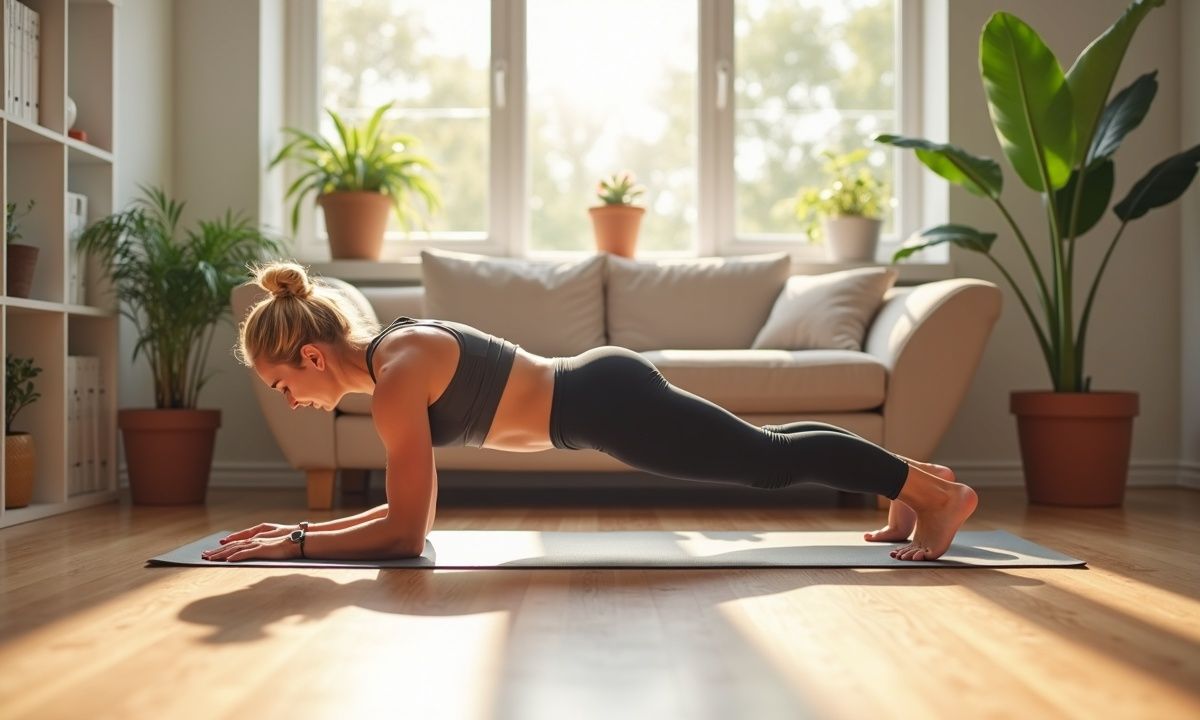
Understanding the Plank Hold
Imagine stepping into a gym or rolling out your yoga mat at home. You see people engaging in various exercises, some lifting weights, others running on treadmills. Then, there’s someone holding a plank position, a simple yet effective exercise that seems to defy gravity. The plank hold has become a staple in fitness routines, and for good reason. It challenges the core, promotes stability, and builds endurance. But how long should you hold a plank to truly reap its benefits? This is where plank hold timing comes into play.
The Importance of Core Strength
Core strength is crucial for overall fitness and health. It stabilizes the body, supports good posture, and reduces the risk of injuries. A strong core is also vital for performing everyday activities, from lifting groceries to playing sports. According to the National Strength and Conditioning Association, core exercises can enhance athletic performance, making them essential for anyone looking to improve their physical capabilities.
How Planks Fit Into Core Training
Planks engage multiple muscle groups, including the abdominals, back, shoulders, and even the legs. Unlike traditional abdominal exercises, which often isolate specific muscles, planks require the entire core to work together, providing a comprehensive workout. This makes them particularly effective for building strength. However, to maximize the benefits of the plank hold, understanding timing is key.
Determining the Right Duration
The duration of your plank hold can vary greatly depending on several factors such as age, fitness level, and specific training goals. For beginners, holding a plank for 20 to 30 seconds may be challenging. As strength develops, you can gradually increase this time. More experienced individuals often aim for 1 to 2 minutes or longer.

Research indicates that a good starting point is to aim for 30 seconds to one minute. A study published in the National Institutes of Health found that participants who held a plank for at least 60 seconds reported significant improvements in core strength over time.
Age and Core Strength
Your age plays a significant role in determining how long you should hold a plank. Younger individuals may find it easier to hold a plank for extended periods, while older adults might benefit from shorter, more frequent holds. For older adults, maintaining a plank for 15 to 30 seconds can still yield positive results. Adapting the plank hold to your age and fitness level is crucial.

For those in their 50s and beyond, balancing core strength with other health concerns is essential. Engaging in exercises that promote mobility and flexibility, in addition to core work, can help prevent injuries. In this demographic, focusing on maintaining a solid 15 to 30-second hold multiple times throughout the day can be more beneficial than pushing for longer durations.
Progressing Your Plank Routine
As you become more comfortable with the plank hold, consider incorporating variations to challenge your muscles further. Side planks, plank jacks, and planks with arm or leg lifts can add complexity and engage different muscle groups. This variety keeps your routine fresh and helps to avoid plateaus.
Additionally, maintaining proper form is crucial. Aligning your body from head to heels, with your elbows below your shoulders and your core engaged, will make your plank more effective. A common mistake is allowing the hips to sag or rise too high, which can diminish the exercise's benefits.
Listening to Your Body
Understanding your body’s signals is vital when it comes to timing your plank hold. If you feel strain in your lower back or neck, it may be a sign that your form needs adjustment or that you need to shorten your hold. On the other hand, if you find yourself breezing through a 60-second hold, it might be time to increase the duration or try a more challenging variation.
Incorporating Planks into Your Routine
Integrating planks into your daily schedule can be simple. Consider doing them during breaks at work, while watching TV, or even when brushing your teeth. These small increments can add up, leading to noticeable gains in core strength over time.
For more structured guidance, refer to our article on Plank Hold Timing Explained: How Long You Should Hold a Plank to Build Core Strength at Any Age. It provides insights into tailored durations based on age and fitness levels, ensuring you stay on track with your goals.
Real-World Examples of Plank Timing
Consider a busy parent juggling work, kids, and household tasks. Finding time for the gym can be challenging. However, they could easily incorporate planks into their day, holding them for 30 seconds whenever they find a moment. Over time, this commitment will lead to improved core strength.
Another example is an athlete preparing for a competition. They might focus on holding planks for 90 seconds, gradually increasing their time as their strength improves, ensuring they are well-prepared for the physical demands of their sport.
Embracing Your Plank Journey
Ultimately, the journey to building core strength through plank hold timing is personal and adaptable. Whether you are a beginner just starting or someone well-versed in fitness, understanding how long to hold a plank can lead to significant improvements in your strength and overall fitness. Embrace the process, listen to your body, and adjust as necessary. With dedication and practice, you’ll find that every second spent in a plank is a step toward a stronger, healthier you. For further insights, consider reading our article on Plank Hold Timing Explained: The Ideal Plank Durations That Build Core Strength by Age.

Comments (0)
No comments yet. Be the first to comment!
Leave a Comment