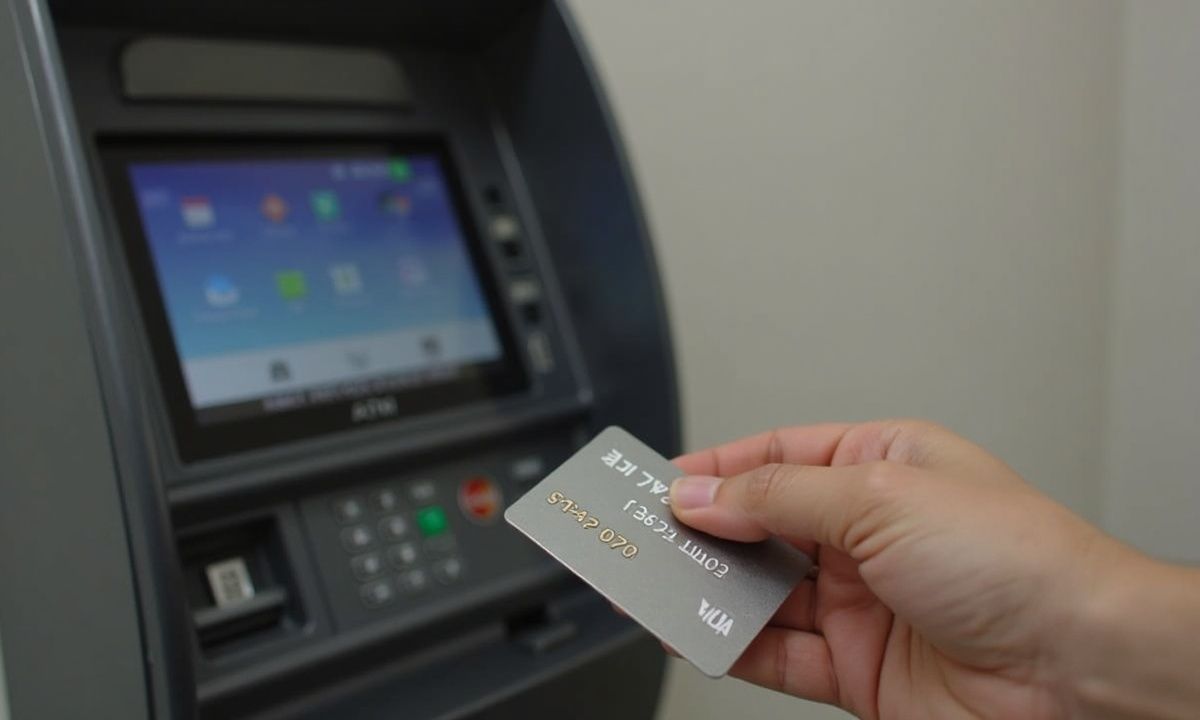
Picture this: you’re standing at an ATM, ready to withdraw cash for that spontaneous dinner with friends. You insert your card, punch in your PIN, and wait. The machine whirs and clicks, but instead of dispensing money, it swallows your card without a trace. Panic sets in. What happened? This situation is more common than most realize, and banks rarely discuss the underlying reasons why ATMs “swallow” cards.
The Mechanics of Card Swallowing
ATMs are designed to provide a convenient way to access cash, but they aren’t foolproof. When a card gets stuck, it can be due to various mechanical or software-related issues. Sometimes, the ATM’s card reader is dirty or malfunctioning, leading it to misread the card and subsequently reject it. Other times, it's a simple case of user error—perhaps the card was inserted incorrectly or the machine was unable to verify the card’s authenticity.

Additionally, network issues can arise, causing the ATM to halt operations temporarily. In such cases, it may swallow the card as a precautionary measure. Banks often install these machines in locations that experience high foot traffic, which can increase the likelihood of wear and tear, contributing further to mechanical failures.
Common User Mistakes
While it’s easy to blame the ATM, many card swallow incidents stem from user mistakes. For instance, not using the correct card type can lead to problems. ATMs generally accept specific card brands, and using a card that is not compatible can result in the machine seizing it. Similarly, if a card is damaged, bent, or scratched, it may not function properly in the reader.

In a rush, users might also forget to remove their card after a transaction. If the ATM has a timeout feature for card retrieval and it goes beyond that limit, it will automatically swallow the card as a security measure. This practice is meant to protect against fraud, but it can be inconvenient for unsuspecting users.
The Role of Security Features
ATMs are equipped with various security features to mitigate the risk of fraud. When a card is swallowed, it often triggers a series of protocols that banks must follow. The machine may lock the card inside for a certain period, allowing the owner to reclaim it later. If not collected in time, the card is typically destroyed or held for a specified duration before being returned to the issuing bank.
These measures aim to protect users from potential identity theft or unauthorized use of their cards. However, the communication surrounding these protocols is often unclear, leaving users frustrated when their cards go missing. Understanding the reasons behind these security measures could help alleviate some of that stress.
Bank Policies and User Awareness
Most banks have specific policies regarding lost or swallowed cards. They often advise users to act quickly if they realize their card has been retained by an ATM. For instance, banks may have dedicated hotlines for reporting such incidents, but this information is not always readily available at ATM sites.
To improve user experience, banks could enhance communication around ATM functionality as well as their retrieval policies. For example, including a simple guide on the ATM screen outlining steps to take if a card is swallowed could provide immediate assistance. However, many banks do not prioritize this kind of user education, leaving customers to navigate the aftermath alone.
Real-World Examples
Consider the story of a college student who relied on ATMs for cash. One evening, after a long day of classes, he stopped at an ATM only to have his card swallowed. He spent the next several hours trying to contact his bank, only to be told that he would have to wait three business days for a replacement card. This incident not only caused him financial inconvenience but also disrupted his daily routine.
Such stories are not isolated. Many individuals have faced similar situations, highlighting a gap in user knowledge and bank communication. A simple, user-friendly approach could significantly mitigate the frustration associated with swallowed cards.
Preventative Measures
To minimize the chances of encountering this issue, there are several preventative measures users can take. Regularly inspecting your card for damage before using an ATM is a good start. Furthermore, always be mindful of how you insert your card and ensure it is compatible with the machine. If you notice that an ATM appears malfunctioning or dirty, it’s wise to seek another machine.
Additionally, banks should consider installing more user-friendly interfaces that guide customers through the ATM process. This could include prompts reminding users to take their card after a transaction or advising them on what to do if their card is swallowed. Such enhancements could improve the overall experience and reduce the likelihood of user error.
The Future of ATMs
As technology continues to evolve, so too do the machines we rely on for cash. Some ATMs are beginning to incorporate advanced technology, including biometric scanners and mobile payment options. These innovations might reduce the reliance on physical cards, potentially solving the problem of swallowed cards altogether. However, until such technology becomes mainstream, understanding current ATM behaviors and policies remains crucial for users.
As we navigate modern banking, the conversation surrounding ATM functionality and user education is essential. By fostering a better understanding of why ATMs “swallow” cards and how to respond effectively, we can empower users to handle these frustrating situations with more confidence. For now, keeping abreast of updates from your bank and being mindful of your card's condition and ATM functionality can help prevent a frustrating experience.
In the meantime, if you're looking for ways to manage your daily tasks more efficiently, you might find useful insights in our article on AI Tools That Automatically Manage Your To-Do List for Free. Additionally, for those pursuing academic endeavors, check out Free AI Study Tools That Make Learning Faster and Easier in 2026. These resources can help streamline your life while you navigate the complexities of modern banking.
Sources

Comments (0)
No comments yet. Be the first to comment!
Leave a Comment