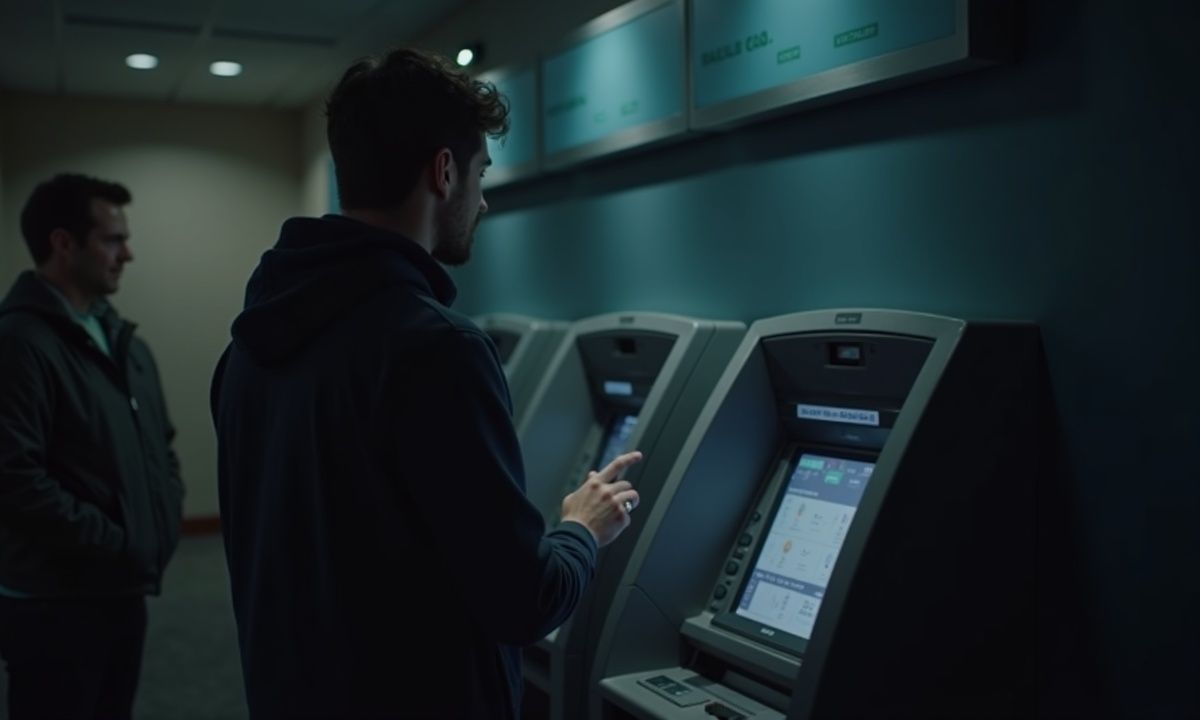
Picture this: you’re at the ATM, ready to withdraw cash for a night out or perhaps to pay for an unexpected expense. You insert your card, punch in the PIN, and wait. Suddenly, the machine grinds to a halt and your card gets swallowed. This scenario is more common than many people think, yet the reasons behind it are often shrouded in mystery. Most banks don’t openly discuss why ATMs “swallow” cards, leaving customers puzzled and frustrated. Understanding the mechanics of this situation can save you time, money, and a fair amount of stress.
The Common Reasons ATMs “Swallow” Cards
When an ATM takes your card, it can feel like a personal affront. However, there are several technical and operational reasons that lead to this occurrence. One of the primary causes is an expired card. ATMs are programmed to reject cards that are no longer valid. If you attempt to use an expired card, it may be retained by the machine, leaving you to scramble for an alternative means of payment.

Another common reason is the failure to follow proper usage protocols. For example, if a card is left in the ATM for too long without any action taken, the machine may automatically swallow it for security reasons. This is a safeguard meant to protect against theft or unauthorized access. Similarly, entering your PIN incorrectly multiple times can result in the machine retaining your card as a precautionary measure.
Technical Issues and Maintenance
Sometimes, the problem is not with the user but with the ATM itself. Technical malfunctions can cause a card to be swallowed. Issues such as paper jams, low power, or software glitches can interfere with the normal function of the machine, leading to unexpected card retention. Regular maintenance is essential for ATMs, yet inadequate servicing can lead to these frustrating experiences.

Interestingly, the age of the machine can also play a role. Older ATMs may have outdated technology that is more prone to failure. Many banks are gradually upgrading their machines, but until that process is complete, users may find themselves dealing with less reliable equipment.
The Security Perspective
From a security standpoint, ATMs are designed with multiple layers of protection. One significant layer is the ability to swallow cards. This feature is particularly important in high-traffic areas or locations where theft is a concern. If a card is detected as being used in suspicious circumstances, the ATM may retain it for investigation.
Moreover, the presence of skimming devices has made banks more vigilant. These devices can capture card information illegally, putting users at risk. As a countermeasure, ATMs may be programmed to swallow cards if they detect unusual activity, thus protecting consumers from potential fraud.
What to Do If Your Card Is Swallowed
Finding yourself in a situation where your card is swallowed can be daunting. The first step is to remain calm. Most ATMs have a process in place for handling this. Depending on the bank, you may be able to retrieve your card after a waiting period, or you might need to contact customer service for assistance. It’s wise to keep the phone number for your bank handy, as prompt action can sometimes lead to quicker resolutions.
If the machine offers a receipt, be sure to take it. This receipt will be essential when contacting your bank. Additionally, reporting the incident can help the bank address any potential issues with the ATM, contributing to a better experience for future customers.
Preventive Measures
To minimize the chances of your card being swallowed, there are several preventive measures you can take. Always check the expiration date on your card before attempting a transaction. If you notice that your card is nearing its expiration, request a new one from your bank to avoid any surprises at the ATM.
Familiarize yourself with the ATM's procedures. Knowing how long you have to complete a transaction and how many incorrect PIN entries are allowed can help you avoid penalties, such as having your card retained. Additionally, try to use ATMs located in well-lit, secure areas to reduce the risk of encountering skimming devices or other security issues.
Technology and Future Developments
As technology continues to advance, banks are investing in smarter ATMs that are designed to minimize card retention incidents. Some new models come equipped with features that allow users to retrieve their cards more easily. For instance, some ATMs now have touchscreens that guide users through troubleshooting steps if their card is swallowed.
Moreover, the rise of contactless payment methods may further reduce reliance on traditional cards at ATMs. With mobile payment options becoming increasingly popular, users may find themselves less frequently inserting cards into machines. This shift could lead to fewer card swallow incidents overall, reflecting a changing landscape in how we handle cash and transactions.
Conclusion
While ATMs swallowing cards can be a frustrating experience, understanding the reasons behind it can help demystify the situation. Whether it’s an expired card, a technical glitch, or a security measure, being informed allows you to navigate these challenges more effectively. By taking preventive steps and being aware of your ATM’s operations, you can reduce the likelihood of encountering this issue. And remember, if you do find yourself in a bind, don’t hesitate to reach out to your bank for assistance. For further insight into ATMs and their quirks, check out our article on ATMs “Swallow” Cards More Than You Realize and Banks Don’t Discuss the Real Reason.
In a world where technology constantly evolves, adapting to these changes is essential. As we move forward, staying informed about ATM operations and security measures will only become more critical. With the right knowledge, you can approach your banking needs with confidence and ease.

Comments (0)
No comments yet. Be the first to comment!
Leave a Comment