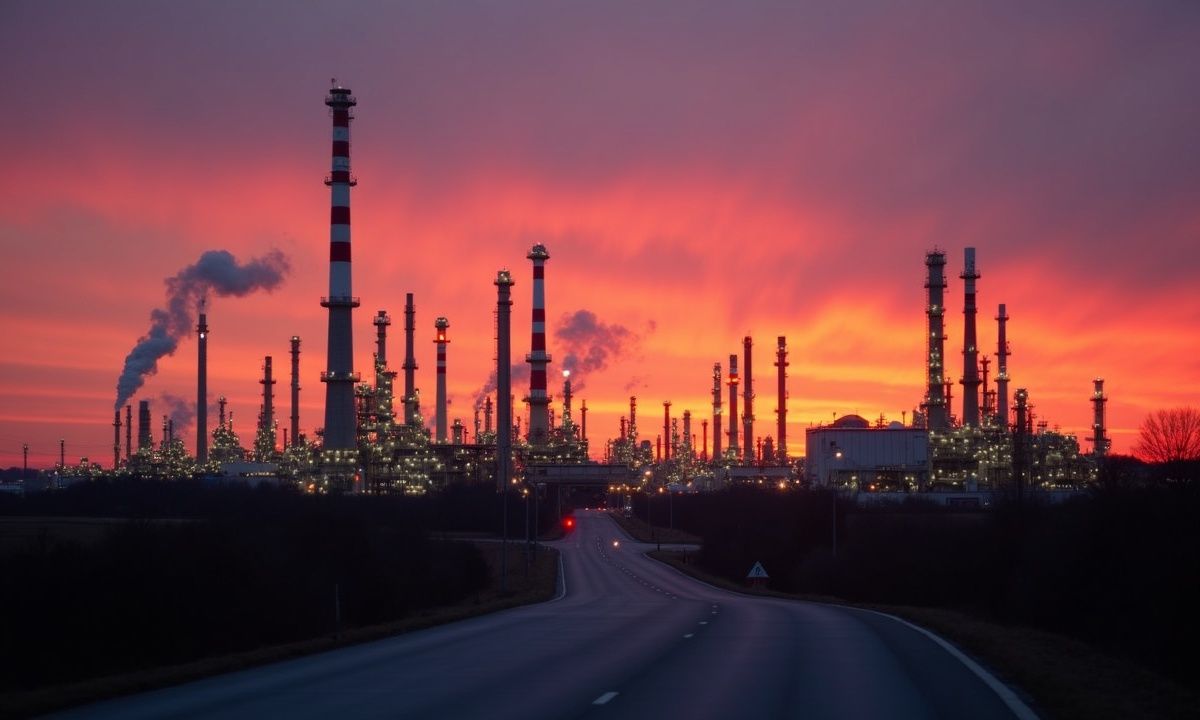
In the complex landscape of global energy politics, Canada’s stance on Russian oil remains resolute and firmly rooted in principles of international law and human rights. As the world grapples with the repercussions of Russia’s military actions, Canada has taken a strong position against the importation of Russian oil, reflecting its commitment to collective security and ethical governance. This decision resonates deeply within Canada’s energy sector and its broader geopolitical strategies, which are intricately tied to the country’s identity as a resource-rich nation.
Canada's Energy Landscape
Canada is one of the largest oil producers globally, with significant reserves primarily located in Alberta’s oil sands. The nation’s economy significantly relies on its energy sector, which not only provides jobs but also contributes substantially to government revenues. However, the recent geopolitical turmoil has forced Canada to reassess its energy relationships, particularly with nations like Russia, known for its controversial policies and aggressive military tactics.

The backdrop of this shift is the ongoing conflict in Ukraine, which has prompted numerous countries to impose sanctions on Russia. Canada has responded vigorously, implementing a series of measures aimed at crippling Russia's oil revenue. According to the Government of Canada, these sanctions are designed to hold Russia accountable for its actions and to protect global stability.
The Impact of Sanctions on Russian Oil
Canada's sanctions against Russian oil have had significant implications for both the global oil market and the Canadian economy. By banning the import of Russian crude, Canada joins allies in limiting Russia's economic power, particularly in its oil and gas sector, which is vital for funding military operations.

This coordinated effort is not merely a political statement; it has real-world implications. For instance, the loss of Russian oil from global supply chains has already caused fluctuations in oil prices, as seen in regions like California, where prices surged amid concerns over Iranian conflict, highlighting how interconnected the global oil markets are. More on this can be found in our article on California Oil Prices Surge Amid Iran Conflict Concerns.
Canada's Energy Strategy Moving Forward
As Canada navigates this challenging landscape, its focus has shifted to reinforcing energy independence and developing alternative sources of oil. By investing in renewable energy and diversifying its oil supply chains, Canada aims to reduce its vulnerability to geopolitical disruptions. This shift not only aligns with global environmental goals but also ensures that Canada remains a key player in the energy sector without compromising its ethical standards.
Moreover, Canada's government has been proactive in fostering partnerships with other oil-producing nations that share similar values. This strategy includes increasing imports from more stable and cooperative countries, thus lessening reliance on contentious sources.
The Role of Public Opinion
The Canadian public’s perception of oil and energy is also evolving. With a growing awareness of climate change and environmental sustainability, many Canadians are advocating for a transition toward greener energy solutions. This shift is reflected in public discourse and policy-making, as citizens demand that their government balances economic interests with environmental responsibilities.
As part of this transition, Canadian consumers are increasingly interested in products that are not only effective but also ethically sourced. The trend in the beauty industry towards oils, such as those highlighted in our piece on Everyone Is Switching to Tinted Lip Oils in 2026; These 11 Are Editor's Favorites, showcases a broader movement towards awareness of sourcing and sustainability.
Implications for Canadian Oil Markets
The sanctions against Russian oil have prompted a reevaluation of Canada’s domestic oil markets. With the absence of Russian oil, Canadian producers have witnessed both opportunities and challenges. On one hand, there is the potential for increased demand for Canadian oil; on the other, there are concerns about how rising prices may affect consumers and the economy overall.
Moreover, as Canada ramps up production to fill the void left by Russian oil, environmentalists are raising alarms about the impacts on climate change. The oil sands, in particular, have come under scrutiny due to their carbon-intensive nature. Balancing economic growth with environmental stewardship will be a critical challenge for policymakers in the coming years.
Future Considerations
As Canada continues to navigate these complex waters, it is essential for the government to engage in transparent discussions with stakeholders, including Indigenous communities, environmental groups, and industry leaders. This collaborative approach can ensure that Canada’s energy policies align with its values and commitments to sustainability.
For those interested in the broader implications of oil trends, including household applications of oils, our article on Household Oils Promote Thicker Eyebrows and Longer Lashes Over Time provides insights into how oil usage is evolving beyond just industrial applications.
A Balanced Approach to Energy
Canada’s firm stance on Russian oil reflects a broader commitment to ethical governance in the energy sector. The implications of this decision reverberate through both local and global markets, challenging Canada to rethink its energy strategies while maintaining its economic stability. As the country moves forward, the focus on sustainability and ethical sourcing will likely shape the future of its energy landscape.
In these uncertain times, Canada’s approach to oil and energy will continue to draw attention not only for its economic impact but also for its ethical dimensions. As discussions around energy evolve, the emphasis on responsible practices and international cooperation will be crucial to navigate the complexities of the global oil market.
[SOURCES_START] Government of Canada|https://www.international.gc.ca SOURCES_END]
Comments (0)
No comments yet. Be the first to comment!
Leave a Comment