The Squat: More Than Just a Movement
In the bustling world of fitness, the squat often takes center stage, praised for its myriad benefits. Whether you're an avid gym-goer or someone who prefers a quiet yoga session, the squat is a fundamental movement that can significantly impact your overall fitness. But have you ever paused to consider your squat technique? Before your next strength or yoga session, take a moment to try this squat benchmark. It’s a simple yet effective way to gauge your readiness and refine your form.
Understanding the Basics of the Squat
The squat is a compound exercise that engages multiple muscle groups, including the quadriceps, hamstrings, glutes, and core. When performed correctly, it not only builds strength but also promotes balance and flexibility. For those new to fitness, it might seem straightforward; however, many overlook the nuances that can make or break the effectiveness of this exercise.

Consider the squat's role in daily life. From sitting down in a chair to picking something off the ground, squatting is a movement we perform naturally. Yet, many people struggle with proper technique, often resulting in discomfort or even injury. This is where a benchmark squat comes into play. By assessing your squat, you can identify areas for improvement, ensuring that your body is prepared for more intense physical activity.
Setting Up for the Benchmark
To start, find a quiet space where you can focus without distractions. Stand with your feet shoulder-width apart, toes slightly pointed outwards. Ensure that you’re wearing comfortable clothing and shoes that provide adequate support. As you prepare, take a moment to connect with your body. Are there any areas of tension? Recognizing this can help you adjust as you move through the benchmark.

Next, it's crucial to perform a few warm-up exercises. Dynamic stretches like leg swings or gentle lunges can help prepare your muscles and joints for the squat. Engaging in a brief warm-up will enhance your performance and minimize the risk of injury. Once you feel ready, it’s time to try this squat.
Performing the Benchmark Squat
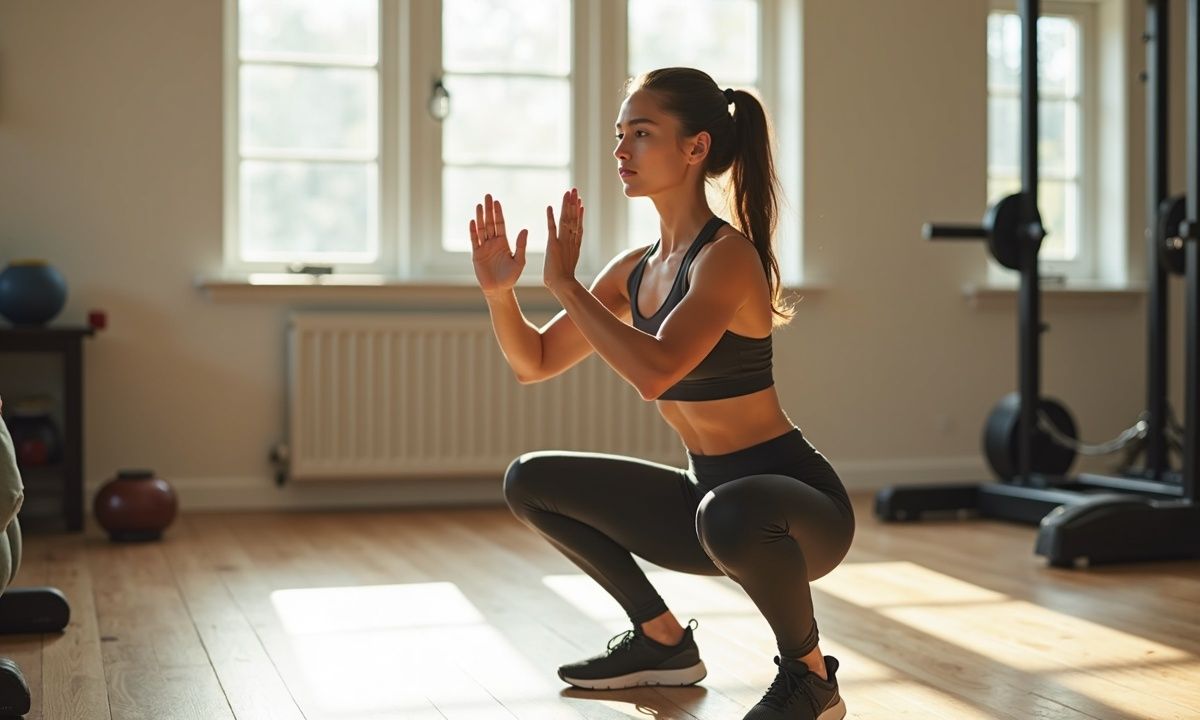
Begin by lowering your body as if you were going to sit back into a chair. Keep your chest lifted and your knees aligned with your toes. As you descend, ensure your weight is distributed evenly through your heels. Aim to lower yourself until your thighs are parallel to the ground, or as low as your mobility allows without compromising form. Hold this position for a few seconds before rising back to standing.
Pay attention to your form throughout the movement. Are your knees caving in? Is your back rounded? These are common issues that can lead to strain. If you find yourself struggling, consider adjusting your stance or incorporating assistance like a stability ball against a wall. It’s essential to listen to your body and respect its limits.
Assessing Your Results
Once you’ve completed the benchmark squat, take a moment to assess how it felt. Did you experience any discomfort? Were you able to maintain proper form? These insights are invaluable, helping you identify strengths and weaknesses in your squat technique. For those still getting comfortable with squats, consider checking out This Simple Squat Benchmark Combines Strength, Balance, and Flexibility for further guidance.
Integrating Squats into Your Routine
After establishing a baseline with your squat benchmark, the next step is integrating squats into your regular fitness routine. For strength training enthusiasts, squats can be combined with lunges, deadlifts, and other movements to create a comprehensive lower-body workout. Alternatively, if you lean towards yoga, consider incorporating squats into your flow to deepen your practice and enhance your stability.
Squats also offer versatility, allowing for variations such as sumo squats or jump squats to target different muscle groups. This variety can help prevent workout monotony while keeping your fitness journey engaging. If you're seeking more ways to refine your practice, try incorporating yoga poses into your routine. You might find that a combination provides the balance you need.
Mindfulness and the Squat
Interestingly, the squat can also serve as a moment of mindfulness. As you lower into the position, focus on your breath and the sensations in your body. This practice not only enhances your connection to your movements but can also reduce stress and improve mental clarity. It's an opportunity to set intentions for your workout or simply to be present in the moment.
Common Mistakes to Avoid
While squats are beneficial, they can also lead to injury if not performed correctly. Common mistakes include allowing the knees to extend beyond the toes, lifting the heels off the ground, or rounding the back. Being aware of these pitfalls is crucial. Consider working with a fitness professional to refine your technique if you are uncertain about your form.
Additionally, it’s helpful to vary your routine and not rely solely on squats for lower-body strength. Engaging in a well-rounded fitness program that includes different exercises will contribute to overall strength and stability.
Final Thoughts on Your Squat Journey
As you prepare for your next strength or yoga session, remember the importance of your squat benchmark. It’s not just about the number of reps you can perform but about the quality of your movement. Learning to squat effectively can lead to improved performance in various physical activities, whether you’re lifting weights or flowing through a yoga sequence. Every time you practice, you’re not only building strength but also cultivating a deeper connection with your body.
If you’re looking for more insights on integrating movement into your life, consider our article on Try These 5 Yoga Poses for a Better Night's Rest. With each squat, you’re taking steps toward a stronger, more balanced self, ready to tackle whatever comes next.

Comments (0)
No comments yet. Be the first to comment!
Leave a Comment