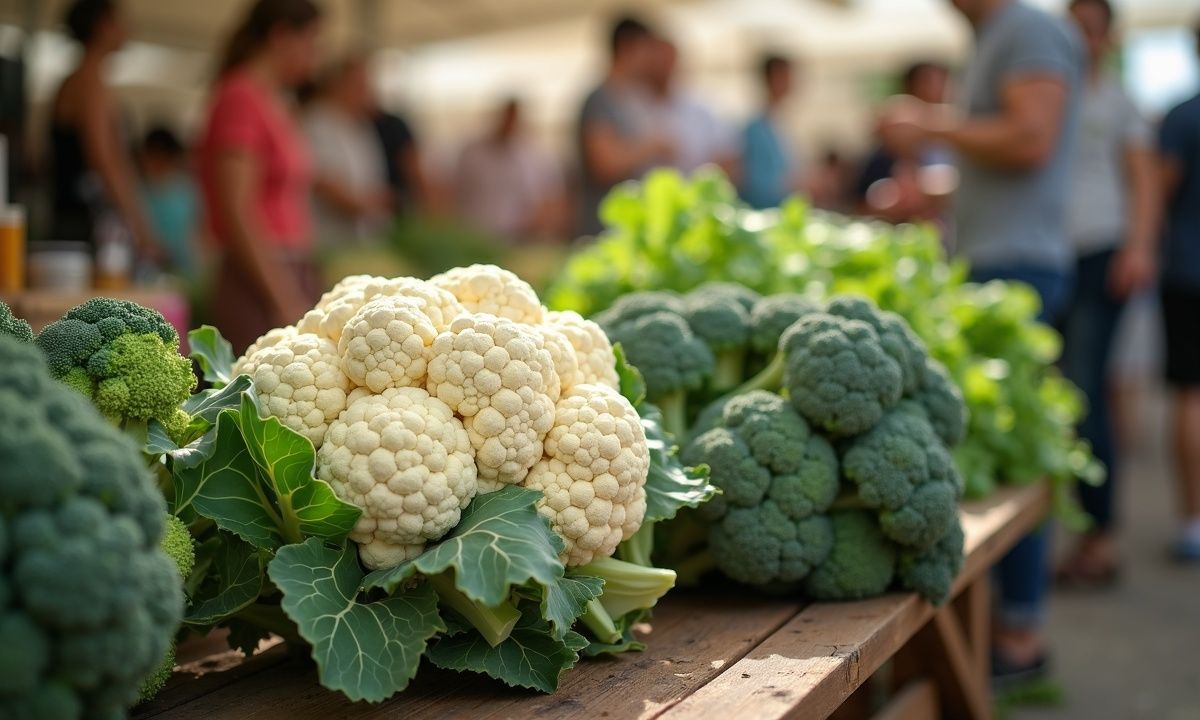
Walking through a bustling farmer's market, the vibrant colors of fresh produce catch the eye. Among the array of choices, a trio of green vegetables often stands out: cauliflower, broccoli, and cabbage. While many might casually toss these vegetables into their shopping carts, few realize they share a common lineage. This fascinating connection sheds light on not only their biological and nutritional similarities but also the broader implications for our diets and culinary choices.
A Botanical Family Reunion
At first glance, cauliflower, broccoli, and cabbage appear to be distinct vegetables with their own unique characteristics. Cauliflower boasts its creamy white florets, broccoli displays its deep green tree-like structure, and cabbage presents itself as a tightly packed sphere of leaves. However, these vegetables are all derived from the same species: Brassica oleracea. This single plant species has been cultivated over centuries through selective breeding to produce the diverse varieties we see today.

Goodbye Hair Dye for Grey Hair: The Simple Conditioner Add-In That Revives Natural Color Gradually
Historically, this plant has been a staple in various cultures, with records of its cultivation dating back to ancient Roman times. The process of manipulating Brassica oleracea to yield different varieties is a testament to agricultural ingenuity. Each of these vegetables has been bred for specific traits, leading to the textures and flavors we now associate with them.
The Nutritional Overlap
While the appearance and taste of cauliflower, broccoli, and cabbage may differ, their nutritional profiles have much in common. All three are rich in vitamins C and K, fiber, and a range of antioxidants. These nutrients play crucial roles in supporting immune health, reducing inflammation, and promoting gut health. A diet that incorporates these vegetables can be beneficial for overall well-being.

For example, broccoli is often hailed for its high levels of sulforaphane, a compound known for its potential anti-cancer properties. Cauliflower, on the other hand, is a popular low-carb alternative, often used in dishes like cauliflower rice or pizza crusts. Cabbage, with its crunchy leaves, is frequently found in salads and fermented foods like sauerkraut, which can aid in digestion. With such overlapping benefits, it's clear that incorporating any of these three vegetables into meals can contribute positively to health.
Culinary Versatility
The culinary applications of cauliflower, broccoli, and cabbage are vast and varied. Each vegetable brings its own unique flavor and texture, allowing for creative cooking. Broccoli shines when steamed and served with a drizzle of lemon, while roasted cauliflower can take on a delightful nuttiness that elevates any dish. Cabbage is often the backbone of coleslaws but can also be braised or stuffed for heartier meals.
In recent years, cauliflower has gained significant popularity, especially as a substitute for grains in various dishes. Its ability to mimic rice or mash like potatoes has led to its inclusion in many health-conscious recipes. On the flip side, broccoli has found its way into smoothies and juices, providing a nutrient boost without compromising taste. Cabbage, with its versatility, can be transformed into kimchi, adding a probiotic punch to meals.
Environmental Considerations
The cultivation of Brassica oleracea also raises interesting questions about sustainability and environmental impact. As awareness of climate change grows, more people are considering the carbon footprint of their food choices. Growing these vegetables can be more sustainable compared to animal-based products, as they require fewer resources and have a lower environmental impact. Choosing to consume more plant-based foods, including cauliflower, broccoli, and cabbage, can be a step towards a more sustainable diet.
Additionally, these vegetables are often grown in a variety of climates, making them accessible to many regions. The adaptability of Brassica oleracea means it can thrive in different soils and conditions, allowing for local cultivation and reducing the need for long-distance transportation.
Beyond the Plate
The connection between cauliflower, broccoli, and cabbage extends beyond their nutritional benefits and culinary uses. Understanding their common ancestry can change how we perceive food and its role in our diets. It invites a deeper reflection on our eating habits and encourages us to consider the broader agricultural practices that shape our food landscape.
Furthermore, this revelation can inspire more mindful eating. By recognizing the shared origins of these vegetables, consumers may be encouraged to experiment with them interchangeably in recipes, maximizing their culinary potential while enjoying the associated health benefits. For those interested in diving deeper, our article on Cauliflower, Broccoli, and Cabbage Share a Single Plant Origin That Many People Still Don’t Realize highlights the fascinating history and implications of this plant.
Rethinking Our Diets
As diets evolve and health trends come and go, it’s essential to ground ourselves in the basics. The realization that cauliflower, broccoli, and cabbage stem from the same plant can be empowering. It serves as a reminder that whole foods, particularly vegetables, should occupy a central place on our plates. Integrating a variety of these nutrient-dense options can enhance meal diversity and ensure a balanced intake of essential nutrients.
Moreover, this understanding can lead to more innovative cooking. Instead of defaulting to the same recipes, consider mixing and matching these vegetables to keep meals exciting. For instance, a stir-fry could incorporate all three, offering a mix of textures and flavors while providing a nutritional powerhouse.
Final Thoughts
Cauliflower, broccoli, and cabbage may seem like ordinary vegetables, but their shared lineage reveals a rich tapestry of agricultural history and nutritional value. Recognizing them as variations of the same species not only encourages a more inclusive approach to cooking but also promotes a healthier lifestyle. Embracing these vegetables can lead to better health outcomes and a more sustainable future. To learn more about this topic, check out our article on Cauliflower, Broccoli, and Cabbage Revealed as One Plant Species Most People Never Knew Of.

Comments (0)
No comments yet. Be the first to comment!
Leave a Comment