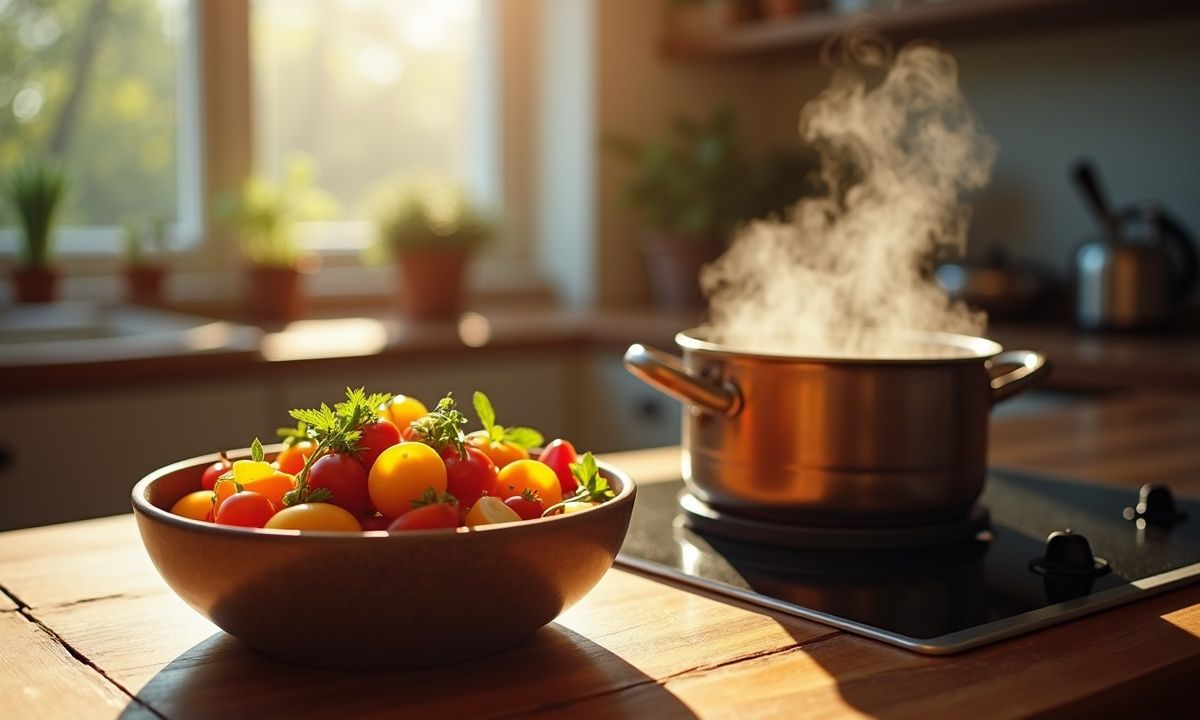
There was a time when my kitchen was filled with the familiar sound of boiling water, as I prepared potatoes in the most traditional way possible. It felt like a rite of passage, a fundamental aspect of cooking that everyone seemed to embrace. But over time, I found that I didn’t cook potatoes in water anymore. Instead, I discovered a path that led me to a fragrant broth that adds depth, flavor, and a touch of creativity to my meals. This shift did not just change the way I prepare this beloved vegetable; it also transformed how I approach cooking as a whole.
Breaking the Habit
For many, cooking is often synonymous with boiling vegetables, especially potatoes. They are versatile, comforting, and can easily fit into any meal. However, the monotony of boiling began to wear on me. I realized that while I could cook potatoes in water, I was missing out on a world of flavor that could be unlocked with simple changes. This realization led me to experiment with broths, which can be as varied and rich in flavor as any gourmet dish.
Why Broth?
Broth, particularly homemade or quality store-bought options, is an underappreciated hero in cooking. It serves as a canvas for flavor and can be tailored to suit any dish. Unlike plain water, which offers no taste, broth brings an aromatic quality that infuses potatoes with richness. Whether it’s chicken, vegetable, or beef broth, each variety provides its own distinct character to the dish. For those looking to cut down on sodium, low-sodium options are widely available, allowing for customization without sacrificing taste.

One day, as I rummaged through my kitchen, I stumbled upon a carton of homemade vegetable broth I had stored away. It was a rainy afternoon, and the idea of boiling potatoes in water felt dreary. Instead, I decided to boil them in this aromatic liquid. The result was nothing short of delightful; the potatoes absorbed the flavors of the broth, creating a dish that was elevated beyond the ordinary. I paired them with sautéed greens, and the meal turned out to be not just nourishing, but also incredibly satisfying.
How to Make the Switch
Transitioning from boiling potatoes in water to using broth is simple and rewarding. Start by selecting a broth that complements your intended flavors. If you're making a hearty stew, a beef broth might be ideal. For a lighter, vegetable-centric dish, a robust vegetable broth can work wonders. The key is to ensure that the broth is flavorful on its own, as this will directly affect the outcome of your dish.

When cooking your potatoes, use the same method you would with water. Just pour the broth into a pot, add the chopped potatoes, and bring it to a boil. You can enhance the cooking process by adding herbs, garlic, or onions directly into the broth, creating layers of flavor. Not only do you get delicious potatoes, but you also end up with a flavorful broth that can be used in other dishes or as a soup base.
Experimenting with Flavors
Beyond just potatoes, this method opens up a world of possibilities. Imagine cooking rice in broth instead of water, or using it as a base for sauces. The flavors can meld beautifully, making everyday meals feel more special. For example, if you’re making a grain salad, cooking your quinoa in broth can infuse it with a savory depth that plain water simply cannot deliver.
For those who might be curious about other vegetables, consider this approach for carrots, peas, or even pasta. Each can benefit from the enriching flavors of broth. One evening, I decided to roast a medley of vegetables and used a vegetable broth to baste them. The result was a dish bursting with flavor, where each bite was a reminder of how easy it is to shift from the mundane to something remarkable.
Real-World Applications
In the hustle of daily life, cooking can sometimes feel like a chore. This is where the broth method shines. It not only simplifies the cooking process but also encourages creativity. On busy weeknights, I often turn to one-pot recipes that utilize broth. A quick sauté of vegetables, followed by the addition of broth and grains, can result in a nutritious meal that requires minimal cleanup. It’s a win-win for those looking to save time without sacrificing quality.
Moreover, with the rise of dietary preferences and restrictions, broths can cater to various needs. For vegans or vegetarians, there are numerous plant-based broths available that can enhance dishes without compromising dietary choices. As I’ve experimented with different broths, I’ve also come across interesting combinations that reflect my culinary journey. A recent favorite was pairing sweet potatoes with a coconut curry broth, resulting in a delightful fusion that is both comforting and exotic.
Why I Don’t Cook the Old Way Anymore
This shift in my cooking philosophy has been liberating. No longer confined to the routine of boiling potatoes in water, I’ve embraced a world rich in flavors. Cooking has transformed from a necessary task into an enjoyable exploration of taste and creativity. Every meal presents an opportunity to experiment, to push boundaries, and to create something that not only nourishes the body but also delights the senses.
As I reflect on this journey, I realize that it’s often the simple changes that yield the most significant impact. By opting for broth instead of water, I’ve opened myself up to a vibrant culinary adventure. It’s a reminder that cooking shouldn’t just be about sustenance; it should also be about enjoyment and expression.
A Broth Ritual
Incorporating broth into my cooking routine has become a ritual. I now keep a selection of homemade and store-bought broths handy, ready to infuse my meals with flavor. It’s a small adjustment that has made a big difference in how I perceive cooking. For anyone who feels stuck in their culinary routines, I encourage you to try this approach. Discover how a simple broth can add not just taste but also joy to your kitchen.
For more details on food and nutrition, you might find it interesting to read our article on Many people don’t realize it, but cauliflower, broccoli, and cabbage are the same plant, and most diets are built on this misunderstanding. or check out I didn’t plan this recipe, but it turned into the most satisfying meal of the week.

Comments (0)
No comments yet. Be the first to comment!
Leave a Comment