Finding Balance Through Mindful Movement
Picture a bustling morning, with demands pulling you in every direction. As you navigate your day, your body might feel tense, your mind racing, and your nervous system in overdrive. In moments like these, a full-body mindful movement practice can serve as a gentle reminder to pause, breathe, and reconnect. This approach encourages awareness of each movement, helping to reset the nervous system and restore a sense of calm amidst the chaos.

The practice of mindful movement is not just about physical exercise; it's a holistic experience that intertwines body and mind. By focusing on how we move, we bring attention to our breath, thoughts, and emotions. This awareness can alleviate stress and promote relaxation, making it an essential tool in our fast-paced lives.
Understanding Mindful Movement
Mindful movement incorporates various techniques, including yoga, tai chi, and even dance. It invites practitioners to engage fully in the present moment, noticing sensations, feelings, and thoughts without judgment. This practice cultivates a deeper connection between mind and body, fostering a greater sense of well-being.

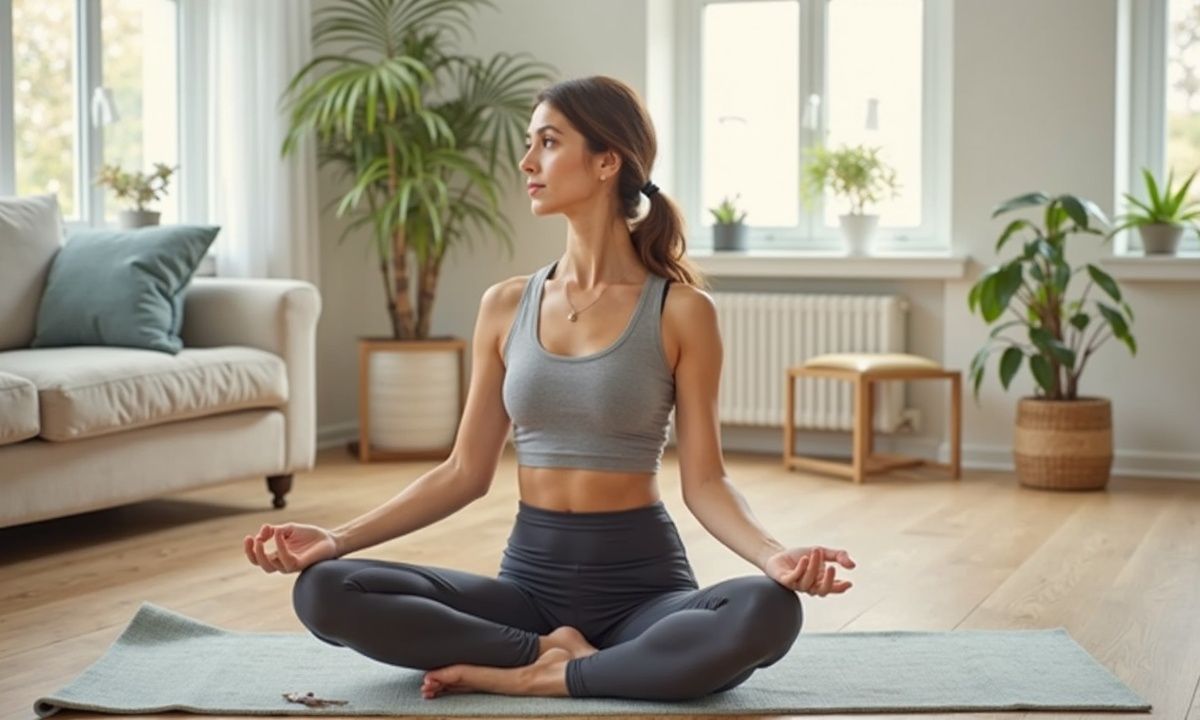
During a full-body mindful movement practice, participants typically begin with grounding techniques. These may include seated meditations or gentle stretches that anchor the individual to the present. Such practices help to slow the heart rate and shift focus away from daily stressors. For instance, taking a few deep breaths while seated on a mat can create space to release tension, allowing for a more profound exploration of movement.
Creating Space for Movement
Once grounded, the practice can transition into a series of gentle movements. These movements are often choreographed to flow seamlessly, resembling a dance. This flow not only helps to release built-up tension but also encourages emotional expression. If you have ever felt lighter after a good stretch or a dance session, you understand the beauty of this connection. We previously discussed Yoga Poses That Help Release Built-Up Body Tension in depth, which highlight how specific poses can facilitate this release.
For many, the experience of moving mindfully can feel liberating. It can be as simple as swaying your hips while standing or as structured as flowing through a sequence of yoga poses. The key lies in the intention behind the movement, allowing yourself to be fully present in each motion. As you practice, you may notice areas of tightness or discomfort. Rather than pushing through these sensations, the mindful approach encourages awareness and acceptance, which can lead to a more profound release.
Bringing Mindfulness to Your Practice
Incorporating mindfulness into your movement can be as straightforward as focusing on your breath. For example, during a yoga session, synchronizing breath with movement—inhale as you reach upwards and exhale as you fold forward—can deepen the experience. This connection transforms the practice into something more than a physical workout; it becomes a meditation in motion.
Additionally, maintaining a soft gaze or closing your eyes while moving can amplify this experience. It allows you to become attuned to your body's needs without external distractions. Many practitioners find that this leads to heightened awareness of their emotional and mental states, which is crucial for resetting the nervous system.
Everyday Applications of Mindful Movement
Mindful movement isn’t confined to a yoga class or a studio. It can be integrated into daily life. Consider a simple walk outside. Instead of rushing through, take a moment to feel the ground beneath your feet, listen to the sounds around you, and observe the environment. This practice can be incredibly grounding and restorative.
Moreover, the principles of mindful movement can be applied in various settings, whether at work or home. For instance, during a long meeting, taking a moment to stretch your arms and breathe deeply can help you reset. Mindful movement encourages us to embrace small moments of awareness throughout the day, fostering resilience against stress.
The Role of Community in Mindful Movement
Practicing mindful movement with others can enhance the experience. Group classes provide a supportive environment where participants can share their journeys. This sense of community can create an additional layer of connection and accountability. Engaging in a class that focuses on full-body mindful movement can also introduce you to new techniques and perspectives, enriching your practice.
For example, many yoga studios now offer sessions that combine elements of mindfulness and movement. These classes often emphasize breathwork and meditation alongside physical postures. If you're interested in deepening your practice, you might consider attending a session focused on slow flow yoga, such as Slow Flow Yoga for Deep Hip Openings and Emotional Release. Such classes often delve into the emotional aspects of movement, promoting a deeper release of tension.
Creating a Mindful Movement Routine
Starting a mindful movement routine at home can be simple. Begin with ten minutes each day, focusing on your breath and gentle movements. Gradually increase the duration as you become more comfortable. You might find it helpful to set a specific time each day, creating a ritual that signals to your body it’s time to unwind.
Consider pairing your mindful movement practice with another self-care activity. For instance, after your session, you might take a moment for journaling or sipping herbal tea. This can help reinforce the sense of calm and mindfulness cultivated through your movement practice.
Reflecting on Your Journey
As you engage in full-body mindful movement, take time to reflect on your journey. Notice how your body feels before, during, and after your practice. This awareness can reveal patterns, such as where you hold tension or how your emotions fluctuate. Over time, this practice can foster a deeper understanding of yourself, guiding you toward greater peace and resilience.
Embracing Mindful Movement
Full-body mindful movement is more than just an exercise; it's a way to reconnect with ourselves amidst the chaos of daily life. By incorporating these practices into our routines, we can foster a deeper connection between body and mind, creating pathways to improved well-being. Whether through yoga, dance, or simply a mindful walk, movement offers a sanctuary to reset our nervous systems and embrace the present moment.
Sources

Comments (0)
No comments yet. Be the first to comment!
Leave a Comment