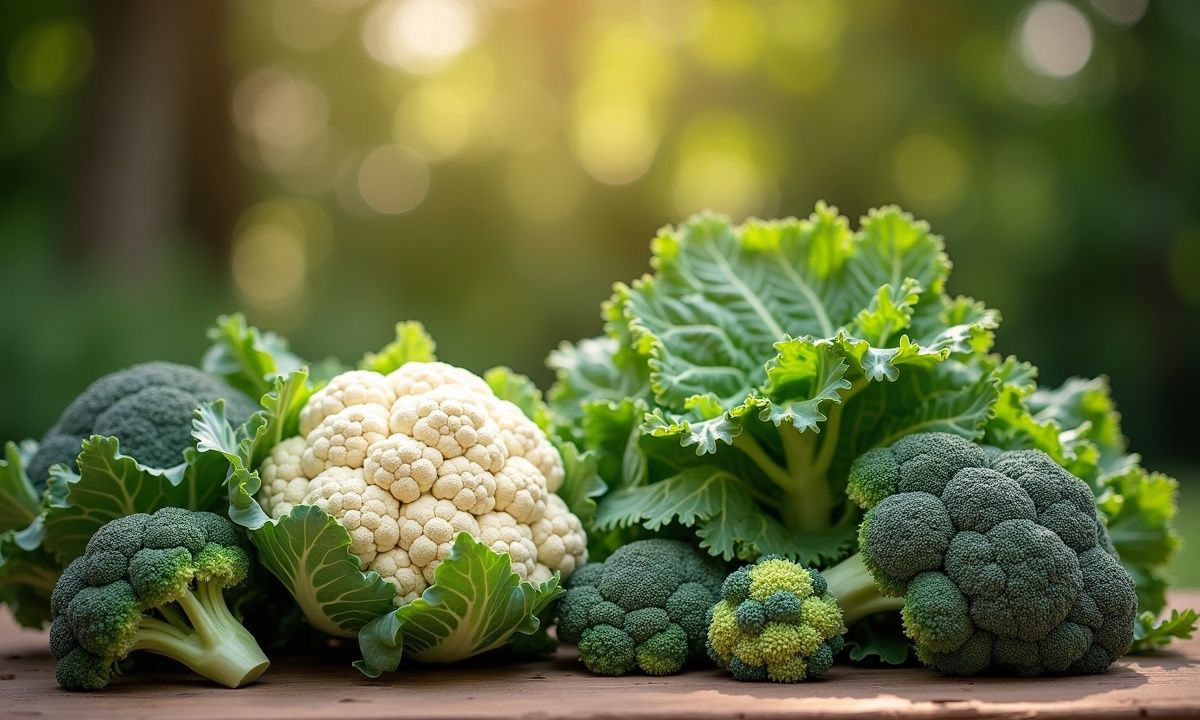
Many people don’t realize that the vegetables we often categorize as distinct—cauliflower, broccoli, and cabbage—are all variations of the same plant species, Brassica oleracea. This intriguing fact about their shared ancestry challenges conventional perceptions of these common foods. In an age where diets are laden with misconceptions and oversimplifications, understanding the botanical relationships of our food can reshape how we approach nutrition and meal planning.
The Plant Behind the Popular Veggies
The Brassica family of vegetables is well-known yet often misunderstood. What many consider entirely different vegetables are actually cultivars of a single species. Cabbage, for instance, is cultivated for its leafy heads; broccoli is bred for its flowering heads; and cauliflower, with its white florets, is another variant. This genetic closeness is not merely a botanical curiosity; it has implications for nutritional content, cooking methods, and even agricultural practices.
A Shared Nutritional Profile
All three vegetables are packed with vitamins and minerals. They are rich in vitamin C, vitamin K, and fiber while being low in calories. This nutrient density makes them excellent choices for various diets, from low-carb to vegan. Interestingly, their similarities extend to health benefits as well. Studies have shown that consuming cruciferous vegetables can support heart health, reduce inflammation, and may even have cancer-preventive properties, according to resources like the National Institutes of Health.
Misunderstandings in Dietary Choices
Many people don’t fully grasp the implications of this shared lineage when crafting their meals. For example, someone might think they are diversifying their diet by alternating between broccoli and cauliflower, but they are essentially rotating among variations of the same plant. This can lead to a lack of variety in consuming essential nutrients found in other vegetable families.

To combat this, it is vital to incorporate a broader spectrum of vegetables into one’s diet. Leafy greens like spinach and kale, root vegetables such as carrots and beets, and legumes like beans and peas provide different nutrients and health benefits. Engaging with a wider variety of produce not only enhances flavor but ensures a more balanced intake of essential vitamins and minerals.
Culinary Versatility
In the kitchen, the culinary uses of cauliflower, broccoli, and cabbage may seem diverse, but they can be surprisingly interchangeable in many recipes. Cauliflower rice, for instance, has gained popularity as a low-carb substitute for traditional rice, while broccoli can be roasted, steamed, or blended into soups. Cabbage, on the other hand, forms the base for dishes like coleslaw and stuffed cabbage rolls. This flexibility can be a boon for those looking to vary their meals without straying far from familiar flavors.

Using these vegetables creatively can help mitigate the monotony that sometimes accompanies a healthy diet. For instance, try incorporating steamed broccoli into a creamy pasta dish or using shredded cabbage to add crunch to tacos. These adaptations can keep your meals exciting while still being health-conscious.
The Impact of Agriculture
The agricultural practices surrounding these vegetables also warrant attention. The industrial farming of cabbage, broccoli, and cauliflower often involves monoculture, which can lead to soil depletion and reduced biodiversity. This practice raises environmental concerns and calls for a reevaluation of how we source our food. Sustainable farming practices and local sourcing can promote biodiversity and support ecosystems. Engaging with farmers’ markets or community-supported agriculture (CSA) programs can be a step toward more responsible consumption.
Connecting with Seasonal Eating
Many people don’t consider the impact of seasonal eating on their health and the environment. Consuming vegetables that are in season not only enhances flavor but also supports local agriculture. Seasonal produce tends to be fresher and more nutritious since it doesn’t undergo long transportation times. For instance, while broccoli might be available year-round, it thrives in cooler months, providing better flavor and nutrient density when harvested in season.
Local farmers can help cultivate a sense of community and connection to the land. When people understand where their food comes from, they often develop a deeper appreciation for it. This connection can also inspire new cooking adventures, as seasonal ingredients lend themselves to innovative recipes and meal ideas.
Rethinking Dietary Labels
Another aspect worth examining is the classification of diets themselves. Many people don’t realize that some popular eating plans, such as vegetarianism and veganism, can sometimes overlook the diversity within plant species. Focusing on a broader array of plant-based foods encourages a more holistic approach to nutrition and helps prevent nutritional deficiencies.
For example, while someone might focus solely on leafy greens, they could be missing out on the benefits of cruciferous vegetables. A balanced diet should encompass various plant families, from legumes to tubers, ensuring a rich array of nutrients. The interplay of flavors and textures can also lead to greater satisfaction in meals, making it easier to adhere to dietary choices.
Final Thoughts on Vegetable Diversity
Many people don’t realize that making small changes to include a wider variety of vegetables can lead to significant improvements in overall health. Whether it’s through mixing up your vegetable choices or engaging with local produce, there is much to gain from a more expansive view of food. Embracing the diversity of plants, along with their varying flavors and health benefits, can enrich our culinary experiences and nourish our bodies.

Comments (0)
No comments yet. Be the first to comment!
Leave a Comment