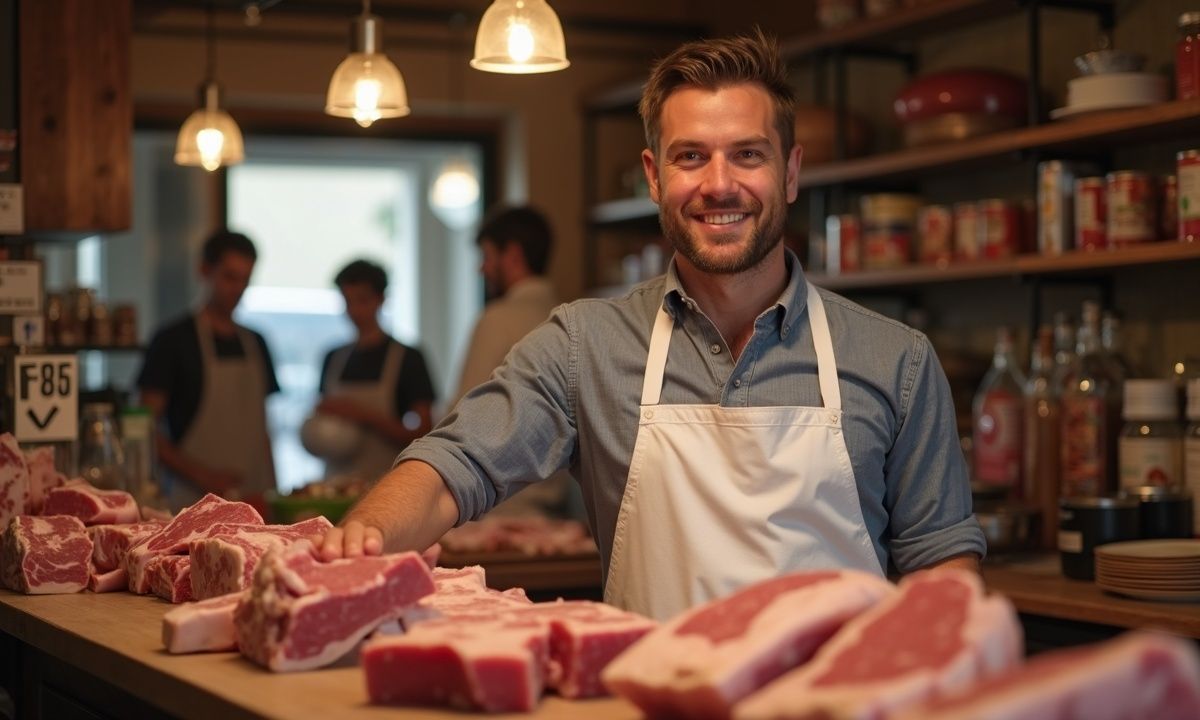
Every day in my shop, I find myself in conversations that revolve around the same question: "What cut of meat do you recommend for a special occasion?" This inquiry is often accompanied by a look of both excitement and uncertainty. As a boucher, or butcher, I see this as more than just a transaction; it’s a glimpse into the culinary journeys of my customers. They trust me with their meals, and that trust carries a responsibility to guide them toward the best choices for their gatherings.
The Ritual of Choosing Meat
The act of selecting meat is steeped in tradition and personal significance. Many people have family recipes or cultural dishes that are associated with specific cuts. For instance, a slow-cooked beef bourguignon might call for chuck, while a summer barbecue beckons for tender ribs. Each cut tells a story, and it’s my job to help narrate that story through the right selection. When a customer asks for recommendations, I often feel like a storyteller, weaving together flavors, textures, and memories.
Understanding Cuts and Their Uses
It's fascinating to witness how different customers approach their meat selections. Some come in with a clear idea of what they want, while others are overwhelmed by the myriad of choices. I remind them that understanding the cuts can significantly enhance their cooking experience. For example, the brisket is perfect for a low and slow cook, while a tenderloin is ideal for quick, high-heat methods. Knowing how to prepare each cut can make or break a dish.
The Joy of Sharing Knowledge
As a boucher, I often share tips about marinating, seasoning, and cooking times. Many customers appreciate this additional layer of service. It’s rewarding to see their faces light up when I suggest a simple herb rub or a cooking technique that transforms their meal into something exceptional. This exchange fosters a sense of community. I am not just selling meat; I am building relationships with my customers. They return not only for the product but for the shared passion for cooking.
The Importance of Quality
Quality is paramount in my trade. Many customers are becoming increasingly aware of where their food comes from. They are often curious about the sourcing of the meat and the conditions under which the animals were raised. I take pride in supporting local farms that prioritize ethical practices. This connection to the source strengthens the bond between the customer and their food, making their choices more meaningful.
Challenges in the Meat Industry
Of course, being a boucher is not without its challenges. The rise in plant-based diets has led to a noticeable shift in customer preferences. While some view this as a threat, I see it as an opportunity to educate people about the role of meat in a balanced diet. I explain how quality meat can be part of a sustainable lifestyle when sourced responsibly. For instance, I encourage customers to consider purchasing smaller amounts of higher-quality meat instead of larger quantities of lower-quality options.
Seasonal Offerings and Specials
Each season brings its own unique offerings. In the spring, there’s a demand for lamb, while summer often showcases cuts ideal for grilling. I like to create specials that align with seasonal recipes, inviting customers to try something new. Just like bakers who create seasonal bread products, I believe that meat can be enjoyed in diverse ways throughout the year. This variety keeps the culinary experience fresh and exciting.
Customer Stories and Their Impact
Every now and then, a customer shares a story about a memorable meal they prepared using my meat. These anecdotes often touch on family gatherings, celebrations, or even simple weeknight dinners that turned into something special. Each story is a testament to the impact that good food can have on our lives. It reinforces my passion for this craft and the role I play in enriching my community’s dining experiences.
Learning from Peers
As I navigate the challenges and joys of being a boucher, I also connect with other professionals in the food industry. For example, fellow artisans, such as bakers, face their own unique challenges and triumphs. We often share tips on how to maintain quality and customer satisfaction, reinforcing the idea that we are part of a larger food culture. Collaborating with others enhances our craft and deepens our understanding of customer needs.
The Future of Butchery
Looking ahead, I see a growing interest in butchery as a craft. More people are eager to learn about the art of meat preparation, from understanding different cuts to mastering cooking techniques. Workshops and classes have become popular, and I often host events in my shop to share my knowledge. This not only promotes a deeper appreciation for meat but also fosters a sense of community among food enthusiasts.
Combining Tradition with Modern Trends
While the art of butchery is steeped in tradition, it is also evolving. Today’s consumers are more health-conscious and environmentally aware. They seek transparency and sustainability in their food choices. As a boucher, I strive to adapt to these modern trends while staying true to my craft. This balance is essential for the future of butchery and the meat industry as a whole.
Ultimately, being a boucher means embracing the stories and traditions that come with every cut of meat. My daily interactions are not just about selling a product; they are about creating connections, sharing knowledge, and nurturing a community that values quality food. As I continue this journey, I remain grateful for the opportunity to share my passion with others and contribute to their culinary adventures.

Comments (0)
No comments yet. Be the first to comment!
Leave a Comment