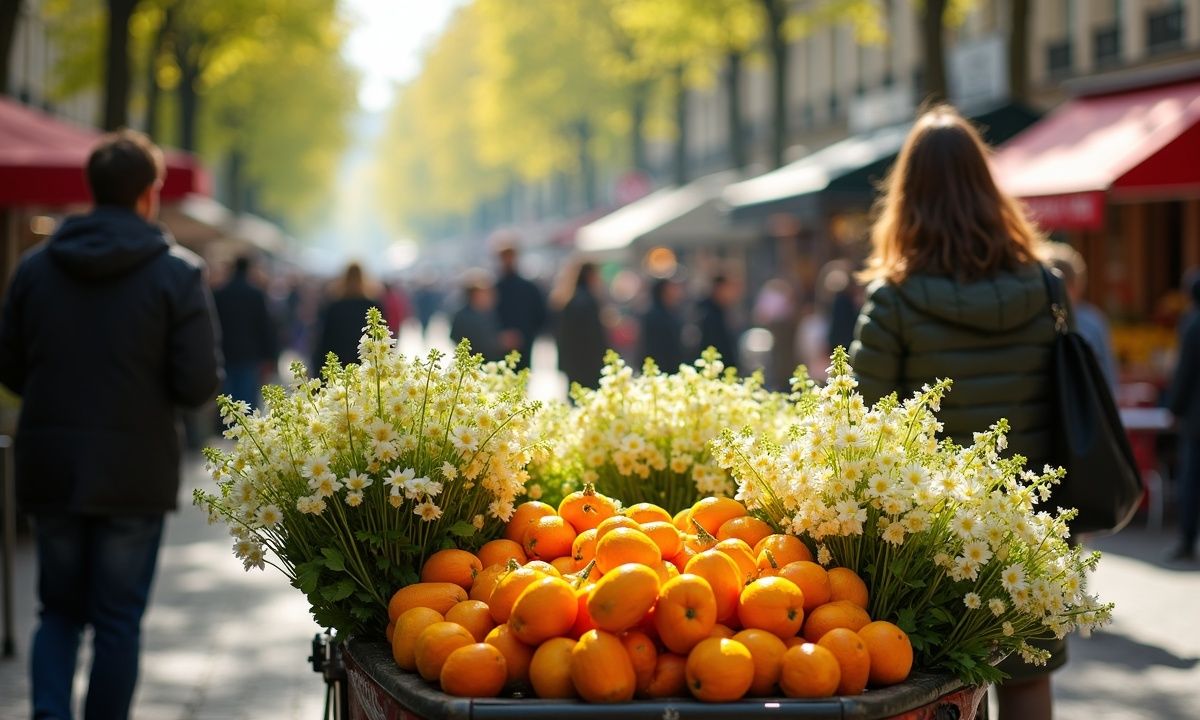
May 1st brings with it a cherished tradition in France: the gifting of muguet, or lily of the valley, a flower that symbolizes spring and good fortune. Streets are often adorned with vendors selling these delicate blooms, and their sweet scent fills the air. However, amidst the joy of this floral celebration lies a critical rule that not everyone is aware of. Ignoring it could lead to hefty fines—up to €300. This article examines the significance of muguet du 1ᵉʳ mai, the associated regulations, and the cultural nuances surrounding this beloved floral custom.
The Tradition of Muguet du 1ᵉʳ Mai
The tradition of giving muguet on May 1st dates back to the 16th century and has evolved into a symbol of good luck and happiness. This beautiful flower blooms in early spring, making it a fitting gift for the May Day celebrations. People often present muguet to their loved ones, friends, and even colleagues as a token of affection and a wish for prosperity in the months to come.

In towns and cities across France, you can find stalls selling muguet, often set up by vendors on street corners. The flower's popularity is so widespread that it has become a staple of the holiday. However, it’s not just the aesthetic appeal or the sentimental value that should be considered; there are legalities involved that every seller and buyer should be aware of.
Understanding the Legalities
While muguet is a beloved part of May Day festivities, the sale of this flower is not without restrictions. According to French law, selling muguet outside of specific regulations can lead to fines. The key rule is that only those who have a permit are allowed to sell it. This is to ensure that the flower is sold in a manner that protects both the vendors and the consumers.

Many vendors set up shop on public property without the necessary permits, which can lead to hefty penalties. Those who choose to ignore this legal requirement may find themselves facing fines of up to €300. This rule emphasizes the need for compliance, especially for those looking to partake in this tradition as a business opportunity.
Common Misunderstandings
One common misconception is that selling muguet is entirely permissible on May 1st, regardless of vendor status. While it is widely accepted that people can gift muguet freely, selling it legally requires adherence to local laws. This can vary by municipality, and vendors should check with local authorities to ensure compliance before setting up their stalls.
Additionally, consumers should also be aware of the source of their muguet. Purchasing from reputable vendors who have followed the legal channels can help avoid fines and ensure the flowers are of high quality.
Buying Muguet Responsibly
For those planning to buy muguet, it’s essential to be mindful of where and how you purchase these flowers. Shopping at local markets or from established vendors is a great way to support local businesses while ensuring that the purchase is legitimate. However, many people may unknowingly contribute to illegal sales by purchasing from street vendors without permits.
For those considering buying muguet in supermarkets, caution is advised. The prices can vary significantly, and it’s wise to be aware of potential traps that may inflate your bill. We previously discussed this in detail in our article on Muguet au supermarché : cette erreur au rayon fleurs qui fait grimper votre ticket de caisse le 1er mai.
The Financial Trap
This year, consumers should be especially cautious about where they buy their muguet. Instances of overpriced flowers sold in supermarkets have been reported, leading to dissatisfaction among buyers. Furthermore, the lack of understanding of the legal ramifications surrounding the sale of muguet can result in unintended consequences, both for buyers and sellers.
Celebrating Muguet Responsibly
As you prepare to celebrate May 1st, consider how you can enjoy the muguet tradition while respecting the associated regulations. Whether you choose to give a bouquet to a loved one or decorate your home, being informed is key. Remember, the joy of muguet lies not only in its beauty but also in the intention behind it—a gesture of goodwill and hope for the future.
Engaging with local vendors who adhere to legal practices can make your muguet experience more meaningful. You not only support local businesses but also contribute to the preservation of a cherished French tradition. For those looking to understand more about the financial implications of buying muguet, our article on Muguet du 1er mai : attention à ce piège financier si vous comptez l'acheter en grande distribution cette année offers valuable insights.
The Cultural Significance Beyond the Regulations
While the legal aspects of muguet are crucial, they often overshadow the cultural significance of this flower. Muguet represents purity, sweetness, and the arrival of new beginnings. Its delicate white bells have charmed many, making it a staple in the floral world. Celebrating May 1st with muguet is not just about the flower itself; it’s about connection, tradition, and the ushering in of spring.
As you navigate this beautiful tradition, keep in mind the balance between enjoying the festivities and respecting the laws designed to protect both consumers and vendors. The richness of the muguet tradition is best appreciated when all participants act with awareness and intention.
On this May Day, whether you are gifting muguet, receiving it, or simply enjoying its presence, remember that every flower tells a story. Embrace the spirit of May 1st with a commitment to upholding the values that make this tradition so special.

Comments (0)
No comments yet. Be the first to comment!
Leave a Comment