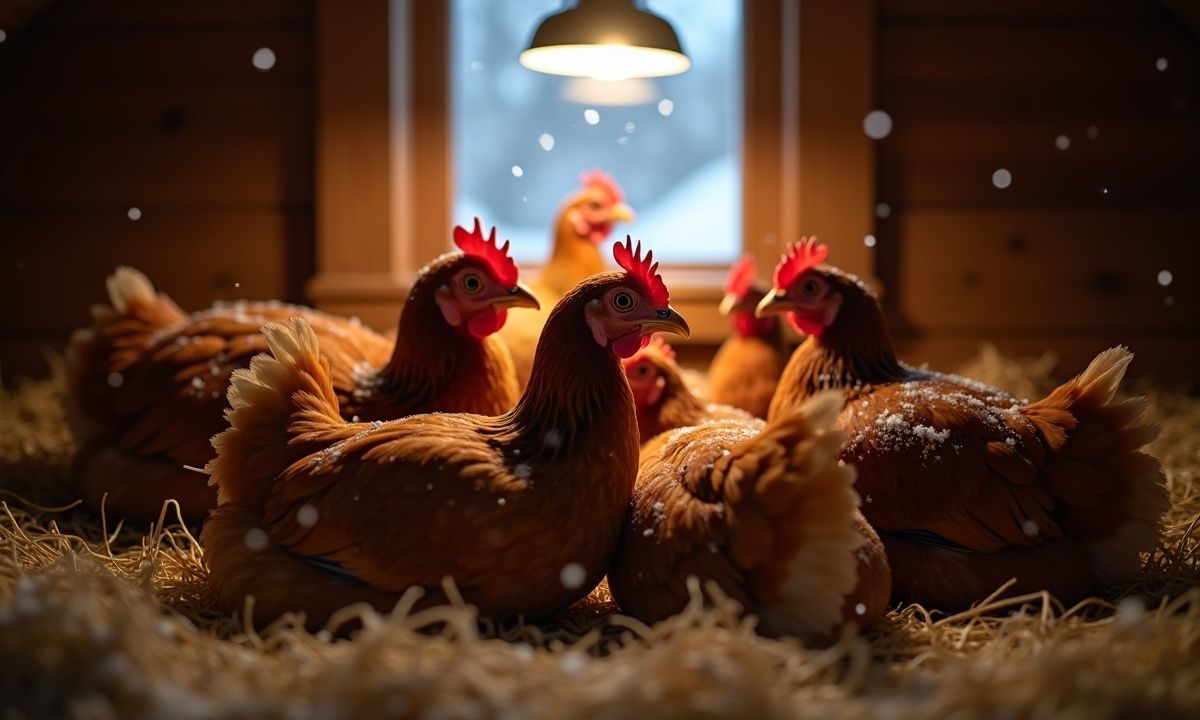
As the crisp air of winter settles in, many hen keepers find themselves facing the seasonal challenges that come with colder weather. This winter, your hens face true danger without essential protections that can safeguard their health and well-being. While the sight of snowflakes gently falling outside may seem picturesque, it also brings a host of threats to your feathered friends. From the biting cold to the lurking dangers of predators, the stakes are high. Ensuring you have the right measures in place can make all the difference in keeping your flock thriving.
Draft-Free Housing
The first line of defense against winter’s chill is a well-constructed coop. Hens are surprisingly resilient, but they are not immune to the frigid temperatures. A draft-free shelter is essential. Ensure that your coop is well-insulated and that any gaps or cracks are sealed. This can involve using materials like foam insulation or weather stripping. It’s not just about comfort; extreme cold can lead to health issues like frostbite. You can check for drafts by holding a lit candle near the suspected areas; if the flame flickers, you’ve found a draft that needs sealing.

Moreover, consider the ventilation within the coop. While you want to keep drafts out, hens also produce moisture through respiration and waste. Proper airflow helps to manage humidity levels, preventing respiratory diseases. A simple ventilation system can be achieved by installing vents that allow air to circulate without creating direct drafts.
Nutrition and Hydration
Winter conditions can affect the dietary needs of your hens. They require more energy to maintain their body heat, which means a protein-rich diet is crucial during colder months. Consider supplementing their feed with high-quality grains, seeds, and even kitchen scraps that are safe for chickens. Additionally, providing a source of warmth can help with digestion. Some owners opt for heated water bowls to ensure that hens have access to fresh drinking water; frozen water can be a common problem in cold weather.

Hydration is just as critical as nutrition. Chickens can become dehydrated quickly, especially when water sources freeze. Make it a routine to check their water supply several times a day, and consider investing in a heated water dispenser to keep the water flowing, even when temperatures plummet.
Protection Against Predators
Winter doesn’t just bring cold; it can also lead to desperate predators seeking easy meals. With fewer food sources available, animals like raccoons, foxes, and even hawks might be more inclined to approach your coop. To keep your hens safe, reinforce your coop and run with sturdy materials. Hardware cloth is a better option compared to chicken wire, as it provides extra protection against determined predators.
Additionally, consider adding motion-sensor lights around your property. These lights can deter nocturnal animals from coming too close. Some hen keepers also find success with guard animals, like dogs, that can alert you to any intruders. The key is to be proactive; a little preparation can save your flock from unnecessary harm.
Daily Health Checks
Monitoring your hens’ health should be part of your daily routine, especially during winter. Cold weather can exacerbate existing health issues and make hens more vulnerable to illnesses. Look out for signs of stress, such as lethargy or changes in eating habits. Regularly inspect their feathers and skin for signs of frostbite or parasites. Hens can also be prone to respiratory issues in winter, especially if the coop is not properly ventilated.
Consider integrating a health check into your daily chores. Just like people, hens can benefit from a bit of attention during the colder months. Observing their behavior can give you clues about their well-being. If you notice anything unusual, it may be worth consulting a veterinarian who specializes in poultry health.
This winter, your hens face true danger without these essential protections. By ensuring that your coop is draft-free, providing adequate nutrition and hydration, safeguarding against predators, and performing daily health checks, you can create a more secure and comfortable environment for your flock. It's not just about survival; it's about ensuring they thrive through the winter months.
As you prepare for the chilly season, remember that taking these steps can significantly reduce risks for your hens. Beyond their physical needs, keeping hens healthy and happy contributes to a more productive flock. Happy hens lay better eggs, and a well-cared-for flock can be a source of joy and satisfaction in your daily life. Whether you’re a seasoned keeper or just starting, embracing these winter precautions can make all the difference in the success of your poultry journey.
For more details on creating a conducive environment for your hens, you might find our article on Unlock Your Hips: Yoga Poses for Deep Stiffness Relief interesting, as it discusses the importance of physical well-being, much like the care you provide for your flock. Remember, your commitment to their health is what will keep your hens safe and productive throughout the winter.
Every season brings its own set of challenges and rewards, and winter is no exception. By staying vigilant and proactive, you can ensure that your hens remain safe from the threats that winter presents. After all, a little extra care today can lead to a thriving flock tomorrow.

Comments (0)
No comments yet. Be the first to comment!
Leave a Comment