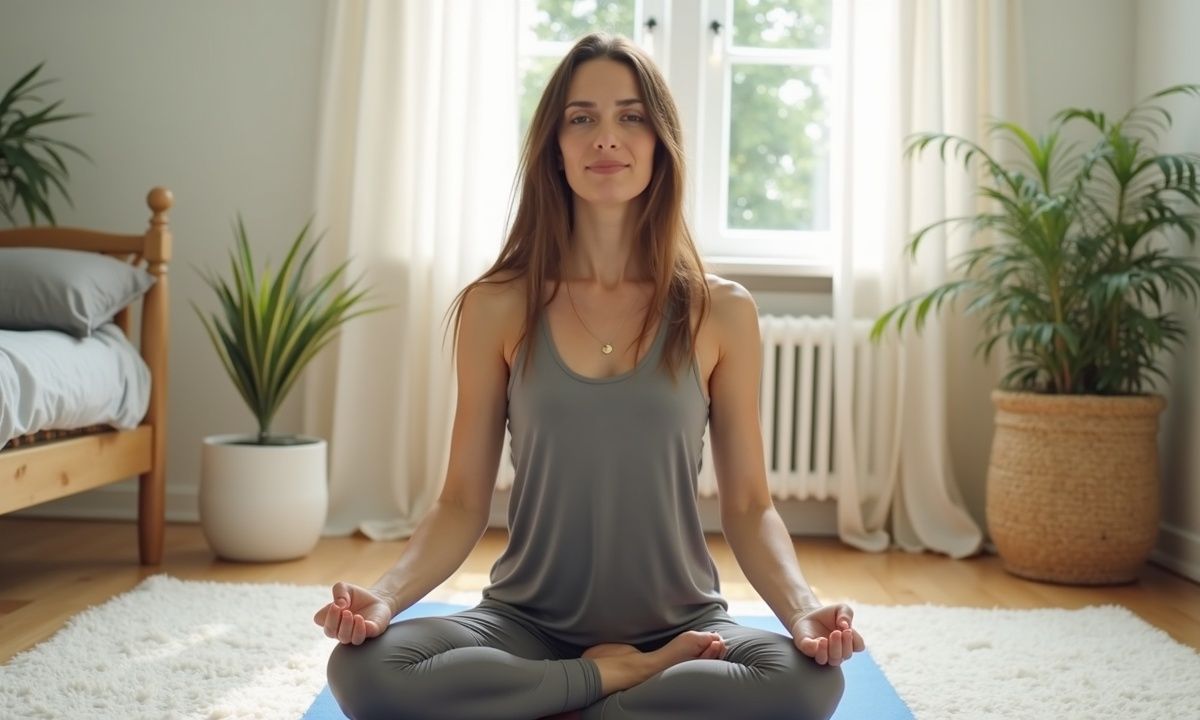
As the sun rises, casting a gentle glow over the yoga studio, practitioners of all levels roll out their mats in anticipation. Among the variety of poses that fill a typical class, there are a few that stand out as essential for anyone looking to deepen their practice. The top 5 essential yoga poses serve not only as building blocks for beginners but also as foundational elements that can enhance the practice of even the most seasoned yogis. Whether you seek strength, flexibility, or a moment of mindfulness, these poses can cater to your needs.
Tadasana (Mountain Pose)
Tadasana, or Mountain Pose, may appear deceptively simple. Standing tall with feet together, arms at the sides, and a sense of grounding through the feet, this pose is the starting point for many standing asanas. It encourages proper alignment and posture, helping practitioners cultivate awareness of their body in space. This pose is a reminder that strength can come from stillness.

To practice Tadasana, stand with your feet together, distributing your weight evenly. Engage your thighs, lift your chest, and reach through the crown of your head. Hold this position for several breaths, allowing yourself to connect with the earth beneath you. This pose is particularly beneficial for improving posture and can be a great way to center yourself at the beginning or end of a practice.
Adho Mukha Svanasana (Downward-Facing Dog)
Adho Mukha Svanasana, commonly known as Downward-Facing Dog, is a dynamic pose that stretches and strengthens various parts of the body. This pose is often used as a transitional posture, allowing for a smooth flow between other asanas. As you press your palms into the mat and lift your hips towards the sky, you create an inverted V-shape with your body. This posture not only promotes flexibility in the spine but also strengthens the arms and legs.
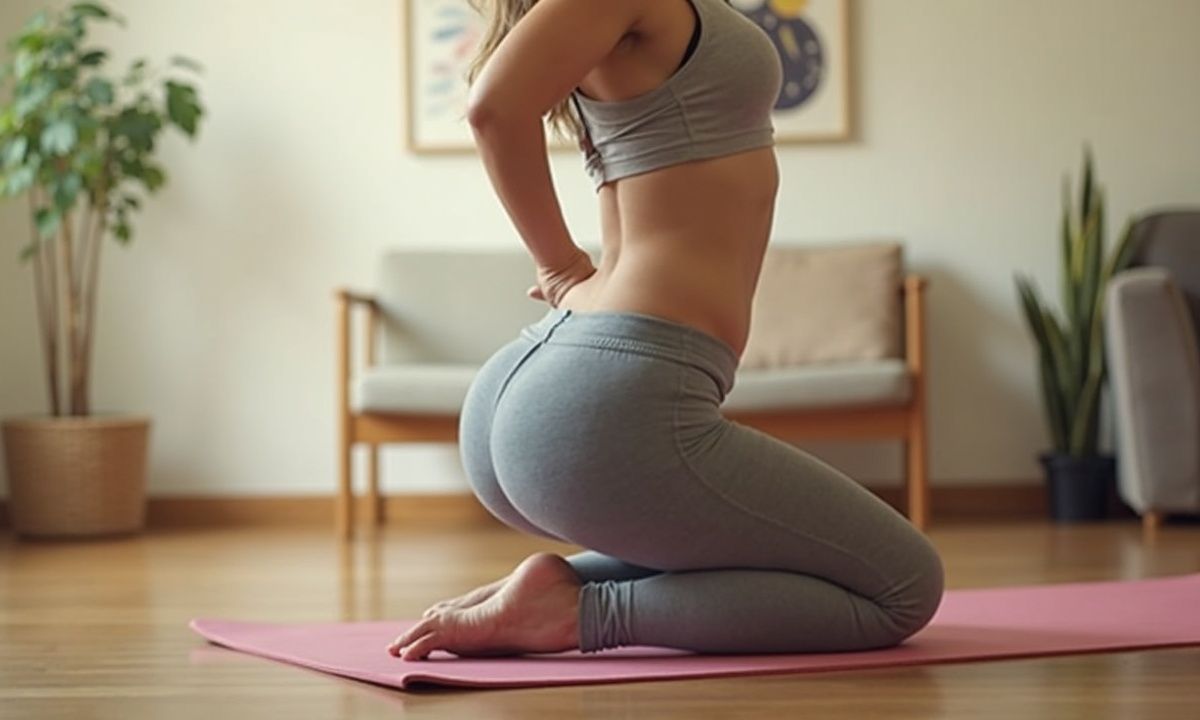
Incorporating Downward-Facing Dog into your routine can be invigorating. It is also a wonderful way to relieve tension after long hours of sitting, making it especially useful for office workers. Transitioning into this pose from Tadasana can create a seamless flow in your practice.
Virabhadrasana I (Warrior I Pose)
Moving from the ground up, Virabhadrasana I, or Warrior I Pose, embodies strength and determination. This pose requires a solid foundation, with one foot forward and the other extended back, creating a powerful stance. As you raise your arms overhead and gaze forward, you evoke a sense of purpose and focus.
Warrior I is fantastic for building strength in the legs and improving balance. It also opens up the hips and chest, making it a vital addition to any yoga sequence. Practitioners often find a sense of empowerment while holding this pose, which can translate to daily life, reminding them to stand tall and face challenges head-on.
Balasana (Child's Pose)
Balasana, or Child's Pose, offers a counterbalance to the intensity of some standing postures. This resting pose allows for deep introspection and relaxation, making it a staple in many yoga classes. Kneeling on the mat, with the forehead resting gently on the ground, this pose encourages a sense of surrender and release.
Child's Pose is particularly beneficial during moments of fatigue or when transitioning between more challenging poses. It can also serve as a moment of mindfulness, allowing practitioners to check in with their breath and body. Students often find solace in this pose, as it invites them to take a step back and reset their energy.
Savasana (Corpse Pose)
Savasana, or Corpse Pose, is often considered the most challenging pose of all. Lying flat on your back, arms at your sides, and eyes closed, the goal is to completely relax and let go. This pose may seem simple, but it requires a great deal of practice to quiet the mind and surrender fully.
Incorporating Savasana into your routine is essential for integrating the benefits of your practice. After a series of physical postures, this restorative pose allows the body to absorb the work done, promoting relaxation and mental clarity. Practitioners often leave the mat feeling refreshed and rejuvenated.
The Importance of Consistency
Practicing these top 5 essential yoga poses regularly can lead to noticeable improvements in flexibility, strength, and overall well-being. Many people find that a consistent routine helps them navigate daily stressors. For those just starting their yoga journey, consider checking out our article on 5 Essential Yoga Poses for Beginners to Master. Understanding these foundational poses can make a significant difference in your practice.
Yoga for Everyday Life
Yoga is not just a series of movements; it’s a lifestyle. The principles learned on the mat can extend into daily life. Whether it’s the calmness cultivated during Savasana or the strength built in Warrior I, these lessons can be applied to various situations outside the studio.
For example, practicing yoga can effectively alleviate stress after a long commute. You might find that incorporating poses like Downward-Facing Dog into your evening routine helps you unwind. For more tips on stress relief, read our article on Top 6 Yoga Poses to Alleviate Stress After a Long Commute.
Conclusion
Mastering these top 5 essential yoga poses can be a rewarding journey. Each pose offers its own set of benefits, contributing to a well-rounded practice. As you continue to engage with these foundational elements, remember to listen to your body and honor your unique path in yoga. The journey is as significant as the destination, and every moment spent on the mat is an opportunity for growth.
Sources

Comments (0)
No comments yet. Be the first to comment!
Leave a Comment