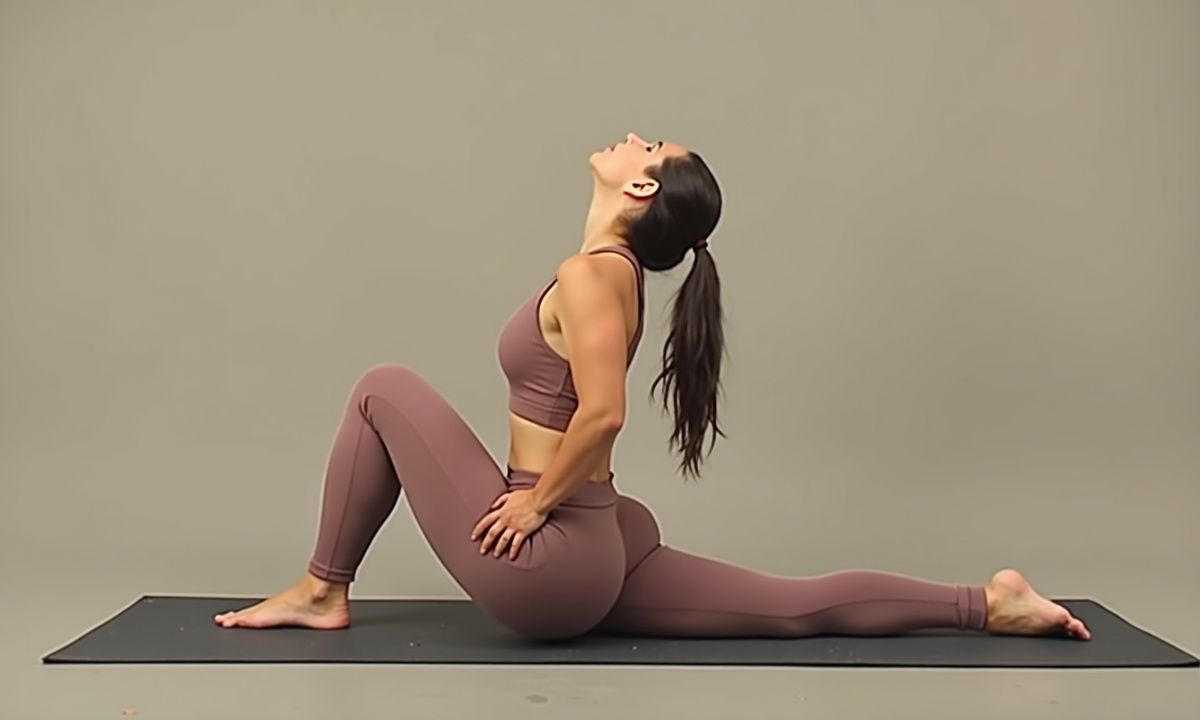
It's a familiar scenario: after a long day of sitting at a desk or standing in line, you find yourself feeling an unsettling tightness in your hips. Whether you're a seasoned yogi or someone who simply wants to feel more comfortable in their body, understanding why your hips feel restricted can lead to a more fulfilling movement practice. The hips play a crucial role in our mobility, and when they feel stiff or limited, it can impact everything from daily activities to athletic performance.
Understanding Hip Tightness
Hip tightness can stem from various sources, and it’s not merely an issue of physical activity or lack thereof. For many, prolonged periods of inactivity, such as sitting at a desk, can lead to a shortening of the hip flexors and surrounding muscles. Additionally, emotional stress can manifest physically in the hips, a phenomenon often referred to as “emotional storage.” The hips are not just physical structures; they can hold onto tension from day-to-day stresses, leading to feelings of restriction.

Moreover, age can also play a significant role in hip mobility. As we age, the body loses muscle mass and flexibility, making it more likely for the hips to feel stiff. According to the American Physical Therapy Association, regular movement and stretching are vital for maintaining joint health and flexibility.
Common Causes of Hip Tightness
Several lifestyle factors contribute to hip tightness. For one, many people unknowingly adopt a sedentary lifestyle, which can lead to shortened hip flexors and weakened glute muscles. Additionally, repetitive activities, such as running or cycling, can create imbalances that tighten certain muscle groups while neglecting others. Poor posture, whether at work or during physical activity, can exacerbate these issues. Recognizing these patterns is the first step toward finding relief.

Another aspect to consider is the impact of footwear. Wearing shoes that lack support or proper alignment can alter your gait, putting additional strain on the hips. Footwear that changes how you walk can lead to compensatory movements that create further tightness.
Yoga as a Solution
Incorporating yoga into your routine can provide an effective way to address hip tightness. Yoga emphasizes flexibility and strength, targeting the muscles around the hips and encouraging relaxation. It invites a mindful approach to movement, allowing you to tune into your body and recognize areas of tension.
Key Yoga Poses for Hip Mobility
There are several yoga poses specifically designed to open up the hips. Poses like Pigeon Pose, Butterfly Pose, and Lizard Pose can be particularly beneficial. These postures stretch the hip flexors, glutes, and surrounding muscles, helping to alleviate tightness. For detailed instructions on these poses, check out our article on When Hips Feel Stiff These Yoga Poses Restore Motion.
Pigeon Pose, for instance, allows for deep stretching of the hip rotators and flexors. To practice, start in a tabletop position, bring your right knee forward toward your right wrist, and extend your left leg back. As you lower into this pose, focus on breathing deeply, allowing your body to relax into the stretch. Over time, this can help increase mobility and reduce discomfort.
Mindfulness and Movement
Mindfulness is another crucial component of yoga that can aid in alleviating hip tightness. By being present in your body and acknowledging where you feel tension, you can work towards releasing it. Consider integrating breathwork into your practice, focusing on how each inhalation and exhalation affects your hip area. This connection between breath and movement can lead to a profound sense of release.
Moreover, practicing yoga regularly can help improve overall body awareness. As you begin to notice how different postures make your hips feel, you can learn to adjust your movements in daily life to promote better alignment and comfort. This awareness extends beyond the mat and into your daily activities.
Practical Tips for Daily Life
In addition to yoga, there are simple changes you can make to your daily routine to improve hip mobility. Consider standing up and stretching every 30 minutes if you have a desk job. Simple movements like leg swings, hip circles, or even a short walk can break the cycle of stiffness. For those who enjoy running or cycling, integrating cross-training activities can help balance the muscles around the hips. Activities that promote hip strength and flexibility, such as swimming or Pilates, can complement your yoga practice effectively.
Furthermore, pay attention to your posture throughout the day. Whether you’re sitting, standing, or walking, maintaining a neutral spine and aligning your hips properly can make a significant difference in how they feel. If you find yourself in a position that feels uncomfortable, shift your weight or change your stance to relieve tension.
Listen to Your Body
Ultimately, the key to understanding why your hips feel restricted lies in listening to your body. Everyone's experience is unique, and what works for one person may not work for another. If you feel persistent tightness or discomfort, consider consulting a healthcare professional who can provide personalized advice. Sometimes, tightness can indicate underlying issues that may require more focused attention.
Incorporating yoga and mindful movement into your routine can significantly improve your hip mobility and overall well-being. By recognizing the factors that contribute to hip tightness and taking proactive steps, you can create a lifestyle that supports flexibility and comfort. For more insights on this topic, check out our article on Unlock Your Hips: Yoga Poses for Deep Stiffness Relief.
As you continue to navigate your relationship with your body, remember that small changes can lead to lasting improvements. With patience and care, you can reclaim the freedom of movement that your hips deserve.
[SOURCES_START] American Physical Therapy Association|https://www.americanphysicaltherapistassociation.org National Institute of Health|https://www.nih.gov SOURCES_END]

Comments (0)
No comments yet. Be the first to comment!
Leave a Comment