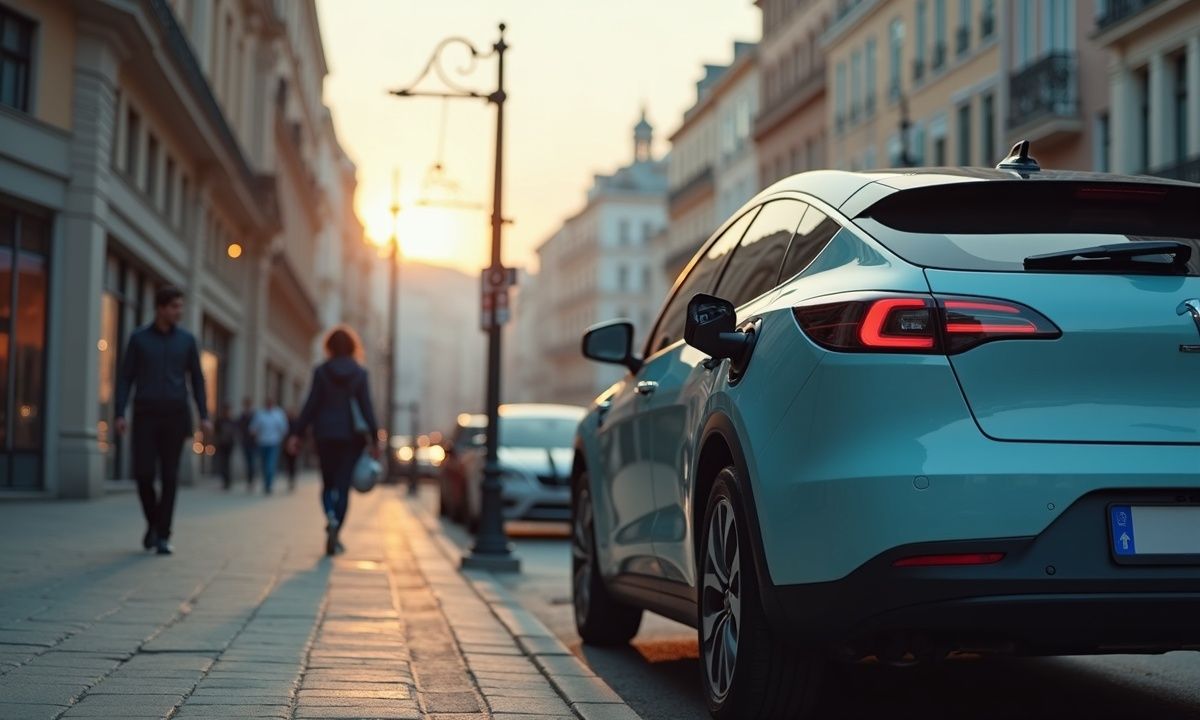
In recent years, electric vehicles (EVs) have surged in popularity, often touted as the solution to the environmental crisis caused by traditional gasoline-powered cars. However, a growing chorus of critics challenges this narrative, arguing that the emissions associated with electric cars paint a more complex picture. As more consumers switch to electric vehicles, understanding the full emissions math behind your electric car becomes increasingly vital.
The Carbon Footprint of Manufacturing
One of the first points skeptics raise is the carbon footprint associated with manufacturing electric vehicles. The production of lithium-ion batteries, which power most EVs, is particularly energy-intensive. Mining for lithium, cobalt, and nickel is not only carbon-heavy but also poses significant environmental and ethical issues. A report from the Reuters highlights that battery manufacturing can emit more greenhouse gases than producing a conventional vehicle, depending on the energy sources used in the manufacturing process.

For instance, a Tesla Model 3 reportedly emits around 68% more CO2 during its production compared to a comparable gasoline vehicle. This stark contrast raises questions about the immediate benefits of switching to electric vehicles. While the operational emissions may be lower, the upfront environmental costs are substantial.
The Energy Sources Behind Charging
Another critical aspect of the emissions debate revolves around the energy sources used to charge electric vehicles. In many regions, electricity is generated from fossil fuels, which diminishes the supposed environmental benefits of driving an EV. For example, in places where coal is the primary energy source, the emissions from charging an electric car can rival, if not exceed, those of traditional vehicles. According to the Environmental Protection Agency, the overall emissions of an electric vehicle depend heavily on the grid's energy mix.

Consider the case of a city that primarily uses renewable energy for its electricity. In such scenarios, the emissions associated with charging an electric car can be significantly lower. However, in areas heavily reliant on coal or natural gas, the advantages diminish. This disparity underscores the importance of regional energy policies and the transition towards cleaner energy sources.
Lifecycle Emissions and Recycling Concerns
The lifecycle emissions of electric vehicles extend beyond just their manufacturing and operational phases. Once an EV reaches the end of its life, the question of battery disposal and recycling comes into play. Many batteries are not currently being recycled efficiently, leading to concerns about the environmental impact of battery waste. The Natural Resources Defense Council indicates that improper disposal can lead to toxic chemicals leaching into the environment, further complicating the sustainability narrative surrounding electric vehicles.
Innovations in battery recycling are on the rise, but the industry is still in its infancy. Until widespread, efficient recycling methods are implemented, the long-term environmental impact of electric vehicle batteries remains uncertain. This adds another layer of complexity to the conversation around your electric car and its true environmental footprint.
Real-World Driving Patterns and Emissions
When evaluating the emissions associated with electric vehicles, it is essential to consider real-world driving patterns. Many studies suggest that EVs perform best in urban environments where frequent short trips can maximize their efficiency. However, in rural or suburban settings, where longer distances and higher speeds are common, the advantages may be less pronounced. The emissions during the operational phase vary significantly based on driving habits, geography, and even vehicle maintenance.
Moreover, the expected lifespan of an electric vehicle can influence its overall emissions. If an EV is driven for a shorter period before being replaced, the environmental benefits may not materialize as anticipated. This reality challenges the notion that simply switching to electric vehicles is a panacea for environmental issues.
Consumer Perception and Policy Implications
The narrative surrounding electric vehicles is heavily influenced by consumer perception. Many view EVs as inherently cleaner and more sustainable, often overlooking the complexities involved. As governments push for greener transportation solutions, the potential for misinformation is high. Policymakers must balance the promotion of electric vehicles with transparency about their environmental impacts, ensuring consumers are well-informed.
For instance, if consumers were more aware of the emissions involved in battery production and the effects of their local energy sources, they might make different decisions regarding vehicle purchases. This knowledge could also encourage more investment in renewable energy infrastructure, which is crucial for maximizing the benefits of electric vehicles.
The Future of Electric Vehicles
As the automotive industry shifts toward electric vehicles, innovation will play a vital role in addressing these emissions concerns. Advances in battery technology, such as solid-state batteries, promise to reduce the carbon footprint of manufacturing and improve recycling processes. Furthermore, the global transition to renewable energy sources is essential for making electric vehicles a truly sustainable choice.
It's also worth mentioning that while electric vehicles are not a perfect solution, they represent a step toward reducing overall emissions in the transportation sector. The focus should not solely be on the vehicle itself but on the entire ecosystem surrounding it, from manufacturing to energy production to end-of-life disposal. For a deeper understanding of how technology impacts various sectors, see our article on How to Future-Proof Your Coding Career with AI in 2026.
Final Thoughts
Your electric car may be a cleaner option relative to traditional vehicles, but the emissions math reveals a more nuanced picture. As consumers become increasingly aware of the environmental implications of their choices, it is crucial to engage in informed discussions about the benefits and challenges of electric vehicles. Each decision we make, whether related to energy consumption or transportation, plays a part in the broader context of sustainability. As we look ahead, embracing transparency and accountability in the automotive industry will be essential for a truly green future.

Comments (0)
No comments yet. Be the first to comment!
Leave a Comment