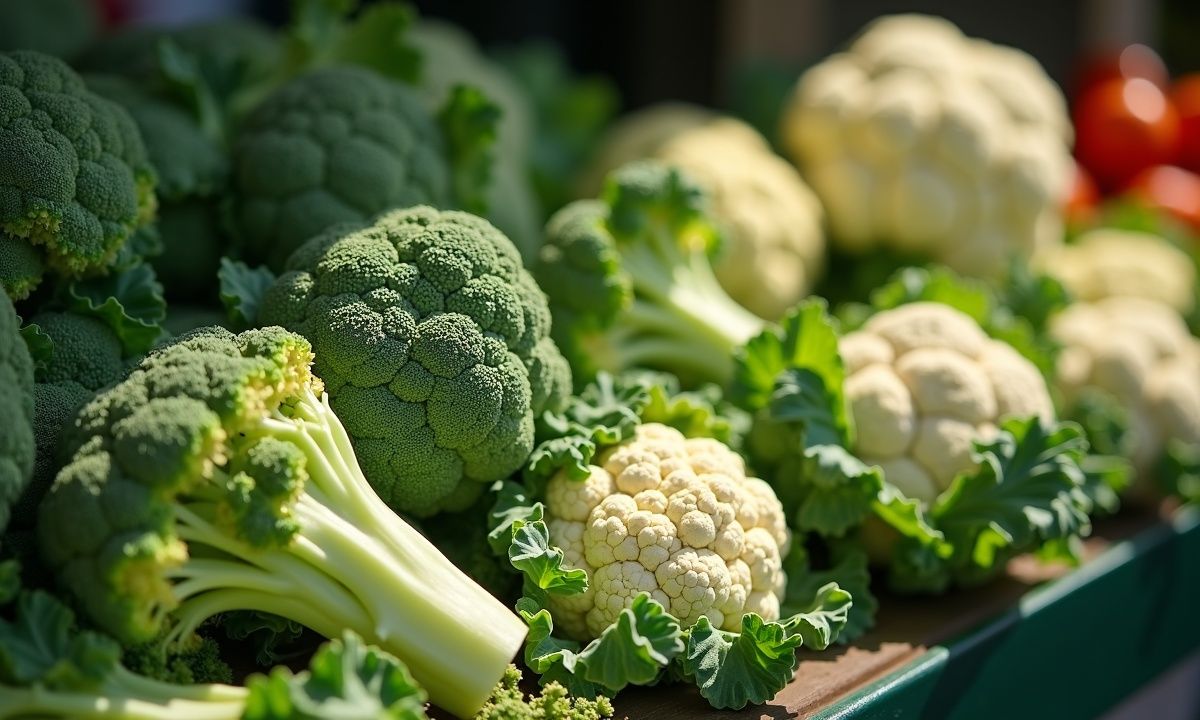
Many people don’t realize the fascinating connections that exist within our food. Take a moment to consider the humble cauliflower, broccoli, and cabbage. These vegetables are staples in many kitchens worldwide, yet few know that they all come from the same plant species: Brassica oleracea. This may come as a surprise, especially to those who believe that these vegetables are entirely distinct and unrelated. Understanding their common lineage not only highlights the diversity of the plant world but also offers insights into how we cultivate and consume these nutritious foods.
The Surprising Family Tree
The story of Brassica oleracea is rich and layered. This species has given rise to a variety of cultivars, each selected for specific characteristics that suit different culinary uses. For instance, broccoli was bred for its flowering buds, while cauliflower was selected for its compact flower heads. Cabbage, on the other hand, was cultivated for its leafy heads. The ability to derive multiple vegetables from a single species is a testament to the adaptability of nature and the ingenuity of agricultural practices throughout history.

Giant African Python Officially Confirmed by Herpetologists During Historic Field Expedition
This botanical family tree extends further, encompassing other vegetables like Brussels sprouts and kale. Each of these plants has been specifically bred and cultivated over centuries, leading to distinct varieties that are now integral to various cuisines. The adaptability of Brassica oleracea becomes even clearer when one considers that these vegetables thrive in different climates and soils, making them accessible to people around the globe.
Historical Significance
The cultivation of these vegetables dates back thousands of years. Ancient Romans and Greeks were among the first to appreciate the nutritional and medicinal benefits of Brassica oleracea. They used these vegetables not only as food but also for their purported health benefits. Historical texts reference the use of cabbage in treating ailments, showcasing the deep-rooted relationship between diet and health in human history.

Fast forward to modern times, and the significance of these vegetables has only grown. Health organizations, such as the World Health Organization, advocate for increased vegetable consumption as part of a balanced diet. Broccoli, cauliflower, and cabbage are lauded for their high vitamin content, fiber, and antioxidant properties, making them valuable additions to any meal.
Versatile and Nutritious
Many people don’t realize how versatile these vegetables can be in the kitchen. Each can be prepared in various ways, from steaming and roasting to pickling and stir-frying. Cauliflower, for instance, has gained popularity as a low-carb alternative in dishes like pizza crusts and rice. Broccoli is often steamed or sautéed, maintaining its vibrant green color and crunch, while cabbage finds its way into salads, slaws, and even fermented dishes like kimchi.
These methods of preparation not only retain the nutritional benefits but also bring out unique flavors. A simple roasted cauliflower can transform into a gourmet dish with the addition of spices and herbs. Likewise, sautéing broccoli with garlic and olive oil can elevate its taste and appeal. Cabbage, with its natural sweetness, can be braised or caramelized to create rich, comforting flavors. The culinary possibilities are endless, making these vegetables staples in kitchens across cultures.
Environmental Impact
The cultivation of Brassica oleracea also raises interesting discussions about sustainability and environmental impact. As awareness of climate change grows, the importance of choosing local and seasonal vegetables has become increasingly relevant. Many farmers are now focusing on sustainable practices to reduce their carbon footprints, and Brassica crops are often part of these efforts. Their hardiness allows them to be grown in various conditions, making them a reliable crop for farmers aiming to meet the demand for fresh produce.
Local food movements encourage consumers to source their vegetables from nearby farms, reducing transportation emissions and supporting local economies. This shift not only benefits the environment but also fosters a deeper appreciation for the origins of our food, encouraging a more mindful approach to eating.
The Cultural Connection
The cultural significance of these vegetables cannot be overlooked. In many cultures, they play a central role in traditional dishes that have been passed down through generations. For example, in Eastern European cuisines, cabbage is often featured in hearty stews and stuffed dishes, while in Asian cultures, broccoli is commonly used in stir-fries and noodle dishes. These culinary traditions highlight how deeply intertwined food is with cultural identity and heritage.
Moreover, the global exchange of culinary practices has led to exciting fusions. Who would have thought that the classic coleslaw would merge with Asian flavors to create a new take on a traditional dish? The versatility of these vegetables allows them to adapt to various culinary styles, making them beloved ingredients worldwide.
Health Benefits
The health benefits associated with Brassica oleracea are well-documented. Research indicates that these vegetables can play a role in reducing the risk of chronic diseases, including certain cancers and heart disease. Their high fiber content promotes digestive health, while their vitamins and minerals support overall well-being. Organizations like Harvard Medical School emphasize the importance of including a variety of vegetables in our diets to achieve optimal health.
Many people don’t realize that simply incorporating these vegetables into daily meals can lead to significant health improvements. Whether enjoyed raw in salads or cooked in hearty dishes, they provide essential nutrients that are vital for maintaining energy and health.

Comments (0)
No comments yet. Be the first to comment!
Leave a Comment